Category: Blogs

  • Sundar Pichai: A Biography of Success and Inspiration

    Sundar Pichai: A Biography of Success and Inspiration

    From a modest upbringing in India to leading one of the world’s most influential technology companies, Sundar Pichai’s journey is a testament to his intelligence, hard work, and unwavering determination. His rise from a metallurgical engineer to the CEO of Alphabet Inc., the parent company of Google, is a story of innovation, leadership, and the pursuit of excellence.

    NameSundar Pichai
    BornJune 10, 1972 – Madurai, Tamil Nadu
    Age49
    CitizenshipThe United States of America
    EducationIndian Institute of Technology, Kharagpur (B.Tech.), Stanford University (MS), University of Pennsylvania (MBA)
    TitleCEO of Alphabet and Google
    Board member ofAlphabet Inc., Magic Leap
    Net worth$1.31 Billion(as of 2022)
    Monthly Income$18 Million(as of Jan 2022)
    WifeAnjali Pichai

    Early Life and Education

    Sundar Pichai, born Sundar Pichai Sundararajan on June 10, 1972 in Madurai, Tamil Nadu, India, is known through his work in technology and great leadership. He was an ordinary child in a modest family in India but could become the CEO of Alphabet Inc., which was before known as Google. This itself shows his smartness along with hard work and stronger will.

    The childhood of Pichai has been anchored in the true value of education.

    Sundar Pichai - Early Life and Education
    Sundar Pichai – Early Life and Education

    His father was an electrical engineer who worked really hard and made Sundar also love learning and solving problems. He did well at school, especially at mathematics and science. Then went to Jawahar Vidyalaya Senior Secondary School, Chennai, before moving over to the famous Indian Institute of Technology (IIT), Kharagpur where he earned a metallurgical engineering degree.

    A Tour to the United States

    After his undergraduate degree, Pichai felt that he needed to learn more. He went to the United States. There, he won a scholarship to study for a master’s degree in materials science and engineering at Stanford University. While at Stanford, he became very interested in technology and software, which later guided his career.

    Sundar Pichai – Journey at Google

    Sundar Pichai embarked on his professional journey as an engineering and product manager at Applied Materials before joining McKinsey & Company as a management consultant. In 2004, he joined Google as a manager and focused on enhancing their client software products, which included Google Chrome and Chrome OS. Additionally, Pichai is recognized as the visionary behind Google Drive.

    In 2009, Pichai presented a demonstration of the Chrome OS, leading to the trial and testing release of Chromebook in 2011. The public release of Chromebook followed in 2012. Furthermore, on March 13, 2013, Pichai expanded his responsibilities to include the oversight of Android, a role previously held by Andy Rubin.

    Although Pichai did not invent the Google Chrome browser, he played a pivotal role in its active development and transformation into the most widely utilized web browser. Consequently, Pichai’s exceptional decision-making abilities and the successful launch of various products under his supervision contributed to his appointment as the CEO of Google on August 10, 2015. Under his leadership, Google witnessed unprecedented growth and diversification, expanding into various domains such as artificial intelligence, cloud computing, and hardware.
    Reach for the Top

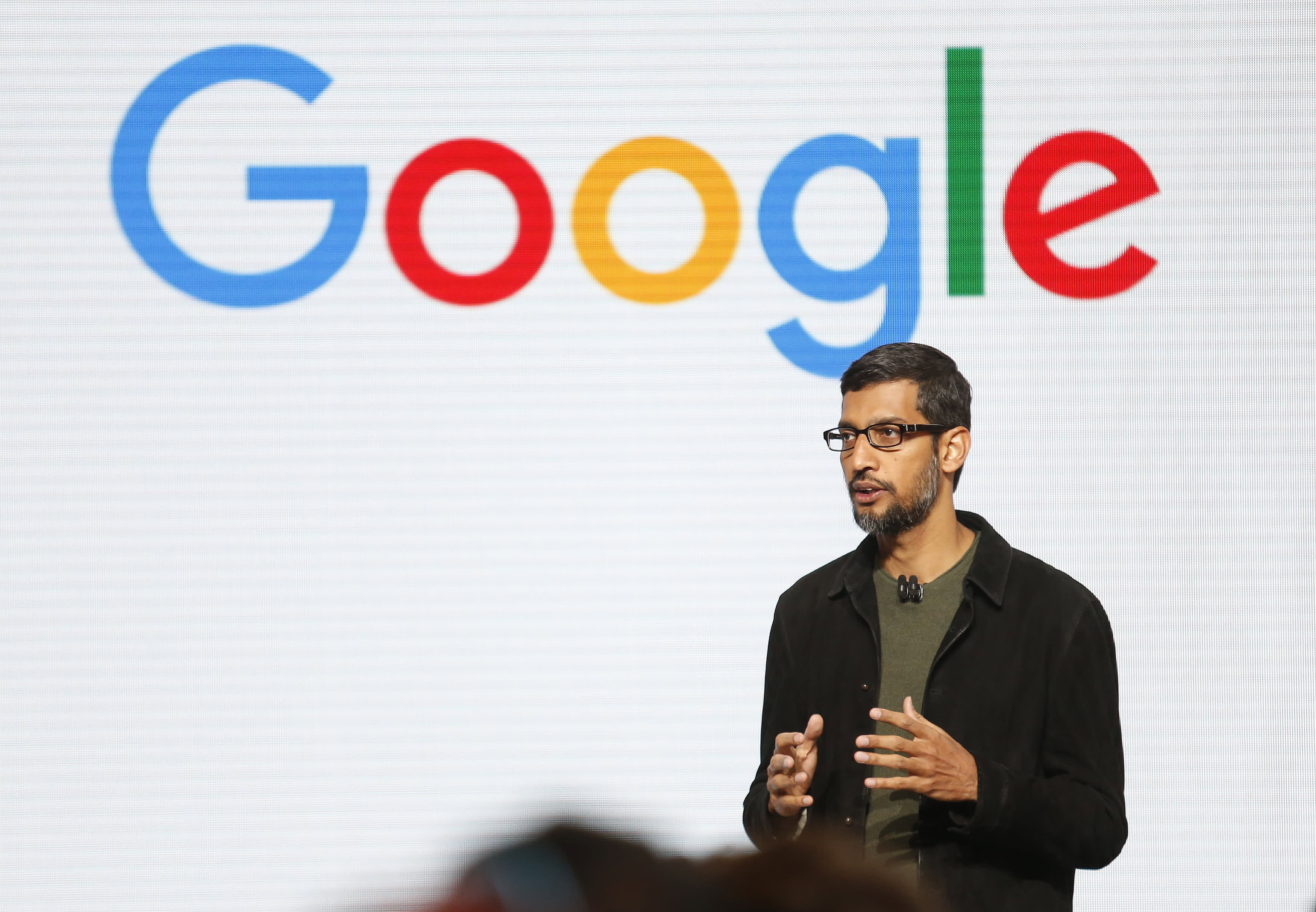
    Pichai rose very fast at Google. He really cared how the users feel, and it was very easy for him to lead teams that can create new ideas. Most of the key Google products, like Gmail, Google Maps, and Google Drive, owe a lot of their creation to him as he led in making ideas clear to many of them.

    Pichai became the next CEO of Google in 2015 by taking over Larry Page’s place, who was its founder. This actually proved to be a big moment, making him one among the most powerful people in tech. During his period, Google kept on making new innovations and expanding its wings to find new areas in which to make further growth such as artificial intelligence, machine learning, or self-driving cars.

    CEO of Alphabet Alphabet Inc. was founded in 2019 after Google’s change in the company structure. Sundar Pichai is the CEO of Alphabet and is in control of all of the businesses under the umbrella of Alphabet Inc., including Google, Waymo, Verily, and X.

    A Visionary Leader

    Pichai, the CEO of Alphabet, is leading the future of technology. He has a clear vision for the company and wants to use technology to help with big problems in the world. Under his guidance, Google has made important progress in fields like artificial intelligence, healthcare, and sustainability.

    Sundar Pichai – The Family Man

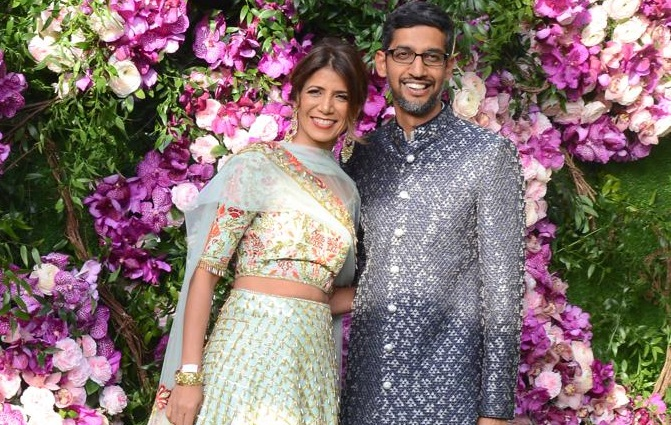
    Sundar Pichai is married to Anjali Pichai. Anjali was Sundar’s classmate at IIT Kharagpur. They have two kids, a boy named Kiran Pichai and a girl named Kavya Pichai. The couple stays in Los Altos hills.
    Sundar Pichai - The Family Man
    Sundar Pichai – The Family Man

    Sundar and his family are known for maintaining a low profile and rarely discuss their lives on public platforms.

    He is humble, smart, and dedicated to his job. He has also worked towards aiding other fellow humans. The Pichai Family Foundation, backed by him and his wife, is dedicated to the propagation of education and healthcare among needy masses.

    Sundar Pichai – Inspiration and Leadership

    Sundar Pichai’s journey from a small town in India to the pinnacle of the tech industry serves as an inspiration to millions worldwide. His story embodies the power of determination, hard work, and continuous learning. Pichai’s leadership style is characterized by humility, empathy, and a deep understanding of the evolving needs of users and customers. He encourages a culture of innovation and inclusivity within the company, fostering an environment where employees can thrive and push boundaries. Pichai’s commitment to empowering the next generation of technologists and bridging the digital divide has been evident through initiatives like Google’s “Grow with Google” program, which aims to provide digital skills training to individuals across the globe.
  • Inspirational Story of Narayana Murthy, Biography, Success, Inspiration

    Inspirational Story of Narayana Murthy, Biography, Success, Inspiration

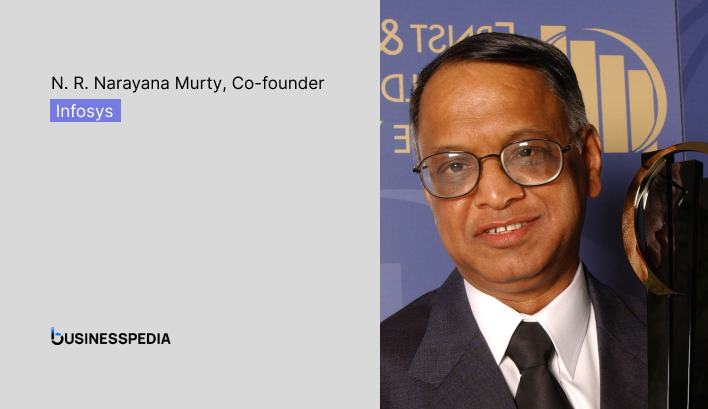
    Narayana Murthy is a visionary entrepreneur who is widely recognized for being the founder of one of India’s largest software companies, Infosys. He was born on August 20, 1946, in Mysore, India and went on to become a global icon in the technology industry. In this blog, we will take a closer look at Narayana Murthy’s life, his achievements, and his impact on the tech industry.

    Early Life and Education

    Narayana Murthy’s journey is a true testament to the power of determination and passion. Born into a modest family in the vibrant city of Mysore, he defied all odds to carve a path of excellence. With an unwavering thirst for knowledge, he pursued higher education, earning a degree in Electrical Engineering from the prestigious National Institute of Engineering.

    Driven by an insatiable curiosity, Murthy ventured to the United States to further expand his horizons. There, he immersed himself in the world of computer science, earning a master’s degree from the esteemed University of Mysore. But his thirst for knowledge didn’t stop there; Murthy went on to achieve a Master of Business Administration from Indiana University, adding an extra dimension to his already impressive skill set.

    Narayana Murthy’s passion for learning and his relentless pursuit of excellence have made him an inspiration to countless individuals around the globe. His remarkable journey serves as a vivid reminder that with determination and unwavering passion, one can achieve greatness, regardless of the challenges that lie ahead.

    Foundation of Infosys

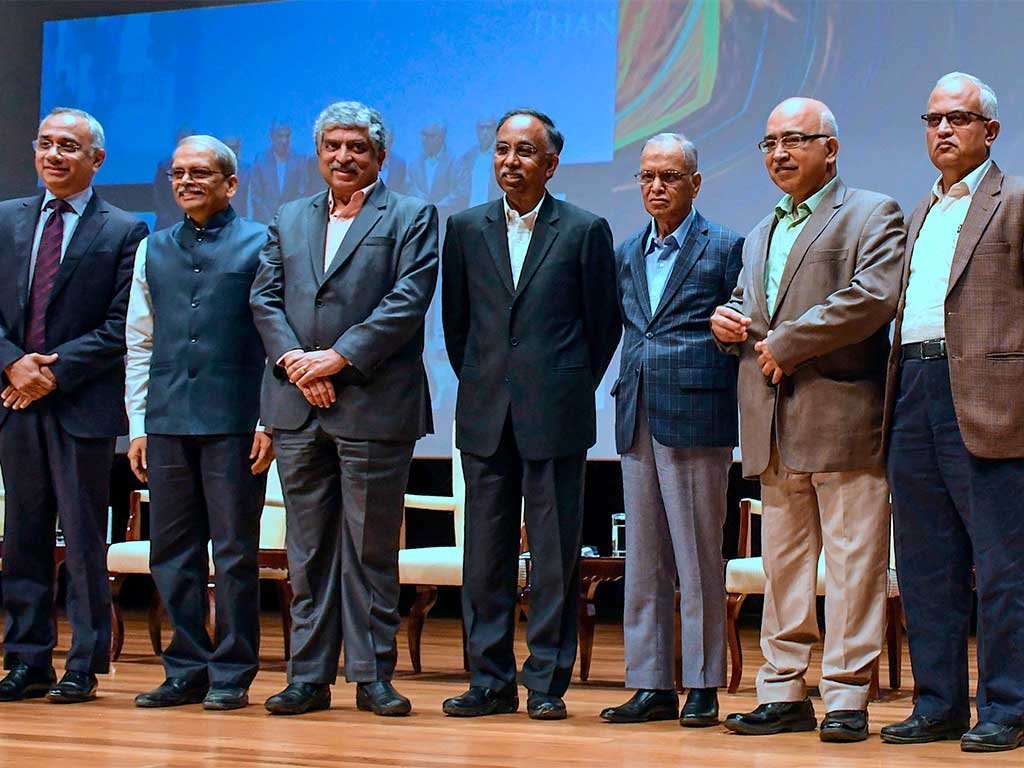
    In the year 1981, a vision was born. Narayana Murthy, a true visionary and trailblazer, fearlessly embarked on a quest to redefine the world of software services. With unwavering determination and an unrivaled passion for excellence, he founded Infosys, a company that would revolutionize the industry.

    Amidst countless challenges and formidable obstacles, Narayana Murthy and his dedicated team of software professionals never wavered. Their relentless pursuit of perfection fueled their drive to overcome financial constraints, limited clients, and fierce competition. Each setback was merely a stepping stone to greater heights.

    Through sheer grit and visionary leadership, Infosys emerged as a towering presence, an indomitable force in the realm of software services. They unleashed a tidal wave of innovation, setting new standards and raising the bar for excellence. Clients from around the world flocked to embrace their cutting-edge solutions and unmatched quality.

    Today, as we reflect on the journey that began over three decades ago, we witness the lasting impact of Narayana Murthy’s passion and the enduring legacy of Infosys. A testament to the power of belief, resilience, and unyielding dedication, this is the story of a company that dared to dream, dared to defy the odds, and ultimately, triumphed against all adversaries.

    Visit Infosys and experience the awe-inspiring journey that continues to shape the world of software services.

    Growth and Expansion of Infosys

    Under Narayana Murthy’s leadership, Infosys grew rapidly and became a publicly traded company in 1993. The company quickly expanded its operations globally, establishing offices in several countries including the United States, Europe, and Asia. Infosys was also one of the pioneers of the offshore outsourcing model, which allowed it to provide high-quality software services at a fraction of the cost compared to its competitors. Today, Infosys is a leading global provider of consulting, technology, and outsourcing services and is widely regarded as one of India’s most successful technology companies.

    Philanthropic Work

    Narayana Murthy is also well known for his philanthropic work and commitment to social causes. He has established several charitable foundations and organizations aimed at improving the lives of the less fortunate. Through these organizations, he has provided education and healthcare services to thousands of people and has also played a major role in promoting literacy and financial inclusion in India.

    Conclusion

    In conclusion, Narayana Murthy is a true visionary who has had a profound impact on the technology industry. Through his hard work, determination, and leadership skills, he has transformed Infosys from a small startup into one of the world’s leading software companies. His philanthropic work and commitment to social causes have also earned him widespread recognition and respect. Narayana Murthy is an inspiration to aspiring entrepreneurs and a shining example of what can be achieved through hard work and determination.

  • Koparo Clean: A Success Story on Shark Tank India 3

    Koparo Clean: A Success Story on Shark Tank India 3

    Koparo Clean, a company specializing in natural home and hygiene products, impressed everyone with their powerful pitch on Shark Tank India 3. Founder Simran Khara captivated the Sharks with her passion, detailing the company’s products and ambitious goals. Impressed by the quality and vision, the Sharks offered a ₹1 crore investment.

    About Koparo Clean

    Koparo Clean manufactures plant-based, natural home and hygiene products. Their range includes floor cleaners, dishwashing liquid, handwashes, and toilet cleaners. These products are not only effective but also eco-friendly and gentle on the skin.

    How Koparo Clean Started

    Early Inspiration

    Simran credits the COVID-19 pandemic as a turning point, pushing her to spend more time with her family at home. During this period, she focused on creating a safe and clean environment for her young child, leading her to explore natural cleaning alternatives. This personal need likely sparked the initial idea for Koparo Clean.

    Product Development and Mission

    Unable to find effective and safe cleaning products that aligned with her values, Simran embarked on creating her own. Combining natural ingredients with powerful cleaning capabilities, Koparo Clean was born. Driven by the desire to provide families with healthy and eco-friendly cleaning solutions, Simran built the brand around sustainability and prioritizing both people and the planet.

    Early Steps and Growth

    Koparo Clean’s journey likely began with small-scale production, catering to family and friends. As word spread and demand grew, Simran scaled up operations and expanded her product line. Social media engagement and online sales likely played a role in the early growth.

    Koparo Clean on Shark Tank India 3

    Simran Khara sought a ₹1 crore investment from the Sharks, aiming to establish Koparo Clean as a leader in India’s natural home and hygiene products market. The Sharks were swayed by the quality of the products and Khara’s drive, offering her a ₹1 crore deal: ₹50 lakh equity and ₹50 lakh debt.

    Koparo Clean’s Future

    Koparo Clean has its sights set on becoming the leading player in India’s natural home and hygiene market. The company plans to expand its product range and increase its reach across the country.

    Inspiration from Koparo Clean

    Koparo Clean serves as an inspiration for entrepreneurs chasing their dreams. Simran Khara’s hard work and dedication have transformed Koparo Clean into a thriving company. Her story reminds us that unwavering focus on our goals leads to inevitable success.

  • Guide on how to write a cover letter

    Guide on how to write a cover letter

    What is Cover Letter

    A cover letter is a document that accompanies a job application or resume. It is typically a one-page letter that provides additional information about the applicant’s qualifications and experience, and explains why they are a good fit for the job. The purpose of a cover letter is to introduce the applicant to the employer, highlight their relevant skills and experience, and demonstrate their enthusiasm for the job.

    In a cover letter, the applicant should address the hiring manager or recruiter by name (if possible), explain how they learned about the job, and briefly summarize their qualifications and experience. They should also provide specific examples of their accomplishments and how they can contribute to the company. A cover letter should be tailored to the specific job and company, and should complement the applicant’s resume.

    A well-written cover letter can help the applicant stand out from other candidates and increase their chances of being invited for an interview.

    Guide on how to write a cover letter

    Here’s a basic guide on how to write a cover letter, along with an example:

    1. Start with a header: Include your name, address, email address, and phone number at the top of the letter.
    2. Include the date and recipient’s information: Below your header, include the date of the letter and the name, title, and address of the person or company you’re sending the letter to.
    3. Begin with a salutation: Address the recipient by name, if possible. If you’re not sure who to address the letter to, use a generic salutation like “Dear Hiring Manager.”
    4. Introduce yourself and state the purpose of the letter: In the first paragraph, explain who you are and why you’re writing the letter. Mention the job you’re applying for and how you found out about it.
    5. Highlight your qualifications and experience: In the second paragraph, explain why you’re a good fit for the job. Highlight your relevant skills and experience, and provide specific examples to support your claims.
    6. Address any gaps or weaknesses: If there are any gaps in your employment history or weaknesses in your qualifications, address them briefly in the third paragraph. Explain how you’re working to overcome these issues, or how you can still be an asset to the company despite them.
    7. Close the letter: In the final paragraph, express your enthusiasm for the job and thank the recipient for considering your application. Include a call to action, such as requesting an interview or asking for the opportunity to further discuss your qualifications.
    8. Sign off: End the letter with a professional sign-off, such as “Sincerely” or “Best regards,” followed by your name.

    Template For Cover Letter

    [Your Name] [Your Address] [City, State ZIP Code] [Your Email Address] [Your Phone Number]
    
    [Date]
    
    [Recipient's Name] [Recipient's Title] [Company Name] [Address] [City, State ZIP Code]
    
    Dear [Recipient's Name],
    
    I am writing to express my interest in the [Job Title] position at [Company Name]. I learned about this opportunity through [source], and I am excited to apply for the position.
    
    As a [Your Current or Most Recent Position], I have [Number] years of experience in [Field/Industry]. My experience in [Skill/Experience 1], [Skill/Experience 2], and [Skill/Experience 3] make me an excellent candidate for this position. In my current role, I have [Accomplishment 1], [Accomplishment 2], and [Accomplishment 3], which demonstrate my ability to [Action/Result].
    
    Although I [Brief Explanation of Gap/Weakness], I believe that my [Positive Qualities/Experience] would enable me to excel in this position. I am confident that my [Skill/Experience 1], [Skill/Experience 2], and [Skill/Experience 3] would make me a valuable addition to your team.
    
    Thank you for considering my application. I look forward to the opportunity to further discuss my qualifications and how they align with the needs of [Company Name]. Please do not hesitate to contact me if you have any questions or if you would like to schedule an interview.
    
    Sincerely,
    
    [Your Name]
  • Brand Management: Importance, Definition, Challenges

    Brand Management: Importance, Definition, Challenges

    What is Brand Management?

    Brand Management involves using marketing techniques to enhance the perceived value of a product, product line, or brand. The ultimate goal is to elevate the brand’s equity and franchise in the eyes of the customer. It encompasses the ongoing process of maintaining, improving, and upholding a brand to ensure it is consistently associated with positive outcomes.

    Understanding the Basics: Brand, Branding, and Brand Elements

    What is a Brand?

    A brand is the identifier of the seller or maker, representing a promise to deliver specific benefits, attributes, or services to the buyer. Each brand signifies a level of quality and is a combination of elements such as name, sign, symbol, or design.

    Brand Definition

    A brand is a name, term, sign, symbol, design, or a combination of them, intended to identify the goods and services of one seller or group of sellers and to differentiate them from those of the competition.

    (American Marketing Association (AMA))

    What is Branding?

    Branding is the strategic process of managing a trademark portfolio to maximize the value associated with customer experiences. It focuses on creating a positive association with the brand, benefiting key stakeholders, especially current and prospective customers.

    Different Types of Brand Elements

    Brands are composed of various elements, including:

    • Brand Name
    • Logo
    • Theme Line
    • Shape
    • Graphics
    • Colour
    • Sound
    • Movement
    • Smell
    • Taste

    Selecting a Brand Name

    Choosing a brand name is a critical aspect of branding. The criteria for selection include:

    • Easy for customers to say, spell, and recall.
    • Indicates major product benefits.
    • Should be distinctive and compatible with the entire product line.
    • Recognizable in all types of media.
    • Avoids negative connotations by using neutral words.
    • Can be created internally or by a consultancy.

    Importance of Branding

    Branding plays a pivotal role in various aspects of business, offering numerous advantages:

    • Reducing the risks in product decisions.
    • Getting recognition for the brand.
    • Increasing business value.
    • Generating new customers.
    • Improving employee pride and satisfaction.
    • Creating trust within the marketplace.
    • Supporting advertising.
    • Being a source of competitive advantage.

    Branding Challenges and Opportunities

    Savvy Customers

    The internet and technology have empowered consumers with knowledge, making it challenging to persuade them through traditional communication methods. Consumers consult a vast array of information sources, posing a key challenge for marketers.

    Brand Proliferation

    The rise in line and brand extensions has led to the proliferation of new brands and products, complicating the identification of a brand with specific products.

    Media Fragmentation

    Traditional advertising media fragmentation and the emergence of nontraditional media alternatives add complexity to brand communication, requiring marketers to adapt to new and interactive forms of communication.

    Increased Competition

    Both supply-side and demand-side factors contribute to heightened competition, forcing marketers to employ discounts and incentives to stay competitive.

    Increased Costs

    As competition intensifies, the cost of introducing new products rises, making it challenging to match previous levels of investment and support for brands.

    Greater Accountability

    The pressure for strong and consistent earnings reports places marketing managers in a dilemma, requiring decisions with short-term benefits but potential long-term costs.

    Functions of Brand Managers

    Effective brand management involves various functions, such as:

    • Developing brand strategy
    • Brand positioning
    • Brand architecture
    • Brand portfolio management
    • Brand communication
    • Brand equity
    • Brand extension
    • Brand valuation

    In conclusion, Brand Management is an essential aspect of any business. It involves the strategic process of creating a brand, maintaining and improving it, and leveraging it to increase business value. Although it poses various challenges, effective brand management can provide numerous benefits to a company, such as recognition, trust, and a competitive advantage in the marketplace.

  • The Difference Between a Logo, a Brand and Visual Branding Explained

    The Difference Between a Logo, a Brand and Visual Branding Explained

    In this article we are going to learn about the Difference Between a Logo, a Brand and Visual Branding. As you navigate the realms of business and marketing, you may come across terms like brand, visual branding, and logo. These concepts play a crucial role in shaping how a company is perceived by the public. In this article, we’ll break down the differences between a brand, visual branding, and a logo, making it easy for a budding graduate to grasp these fundamental concepts.

    What is a Brand?

    brand is a name, term, design, symbol or any other feature that distinguishes one seller’s good or service from those of other sellers.

    A brand is how something is presented to the public. This “something” could be a product, a product line, an entire company, or even a person. Every interaction with the public influences and shapes the brand. The key elements of a brand include brand value, customer persona, and personality.

    Key Elements of a Brand

    1. Brand Value: All brands must offer good value to customers. This value, often termed as a unique selling proposition, defines what customers can expect from the brand and what the brand promises to deliver.
    2. Customer Persona: Understanding your ideal buyer is crucial in marketing. Are your customers value-focused or quality-oriented? Adjustments to your brand may be needed to reach different demographics.
    3. Personality: Each brand has a personality displayed during interactions with the public. This personality should align with the target audience and the unique selling proposition.

    What is Visual Branding?

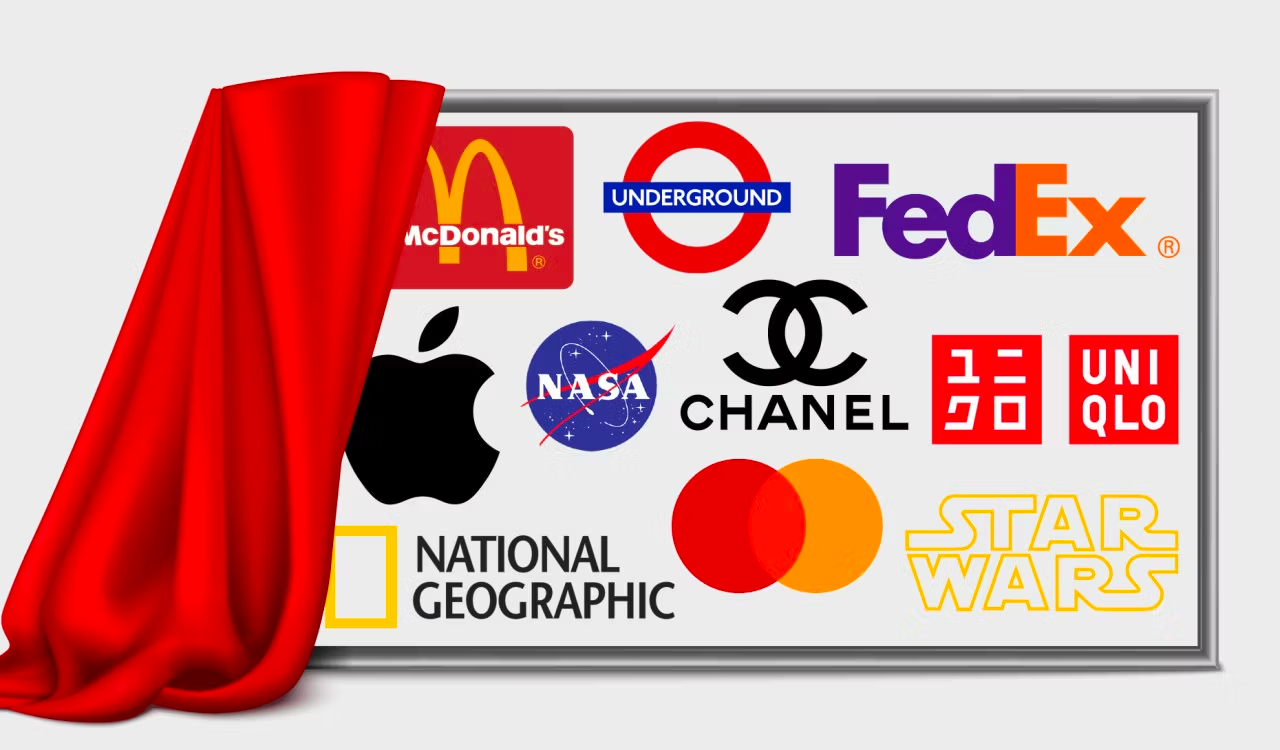
    Visual branding is how a brand uses colors, shapes, typography, fonts, symbols, and images to represent its values and personality. It is essentially the visual identity of a brand, instantly recognizable like a celebrity’s face. Visual branding influences all designs associated with the brand, with a primary focus on creating a mature visual identity before diving into logo design.

    Key Elements of Visual Branding

    1. Easily Recognizable: Visual branding allows immediate brand recognition through small visual clues, differentiating it from other brands.
    2. Understandable for New Audiences: Beyond recognition, outstanding visual branding subtly communicates a brand’s core principles to someone encountering the brand for the first time.
    3. Attractive Across Mediums: Consistent use of visual branding across various mediums is vital. It should look appealing on diverse platforms, from T-shirts to billboards.

    What is a Logo?

    A logo is a graphical or text-based representation of a brand. It distills the essence of a brand into a single visual expression that is easily recognizable. While visual branding sets the stage, a logo is the final touch, embodying the brand’s core values.

    Key Elements of a Logo

    1. Simplicity is Key: Keep logos as simple as possible. The Mercedes-Benz logo, for example, is a model of simplicity yet effectively represents the company.
    2. Color Conscious: Reflect the visual branding in logo colors, but keep the palette simple. One to three colors is optimal for versatility.
    3. Longevity: Logos should withstand the test of time, avoiding elements that may become outdated. Universality and timelessness are key considerations.

    Types of Logos

    1. Image-based Logos: Use easily recognizable or abstract images. These work across language barriers but may not convey the brand’s name.
    2. Word-based Logos: Apply typography and a specific font to the brand’s name. Stylized word-based logos are versatile, making the brand name more overt.
    3. Combination Logos: Combine images and text into one logo for versatility, though with a slight loss of simplicity.

    Conclusion

    In conclusion, understanding the distinctions between a brand, visual branding, and a logo is essential for anyone entering the business and marketing world. Brands are built on key elements like value, customer persona, and personality, while visual branding creates a recognizable identity. Logos, as the visual representation of a brand, encapsulate its essence in a simple, timeless design. With these concepts in mind, businesses can craft a strong and lasting impression in the minds of their audience.

  • EBITDA: Definition, Calculation Formulas, and More

    EBITDA: Definition, Calculation Formulas, and More

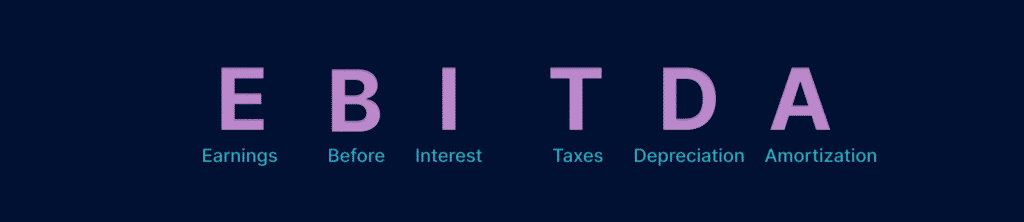
    EBITDA, which stands for earnings before interest, taxes, depreciation, and amortization, is a crucial financial metric used to assess a company’s financial health and operational performance. It was developed in the 1970s by John C. Malone, the former president and CEO of Tele-Communications Inc., and has since become a valuable tool for businesses, investors, and analysts. This article will provide an in-depth understanding of EBITDA, including its definition, importance, calculation, historical context, and criticisms.

    EBITDA
    EBITDA

    Definition and Importance of EBITDA

    EBITDA is a measure of a company’s financial performance that serves as an alternative to other metrics such as revenue, earnings, or net income. It allows businesses to focus on their operational profitability by excluding the impacts of non-operating decisions, such as interest expenses, tax rates, or significant intangible assets. By doing so, EBITDA provides a clearer picture of a company’s core operating performance, making it easier to compare the profitability of different companies within the same industry or across industries.

    One of the key advantages of EBITDA is its ability to reveal a company’s long-term profitability and its capacity to repay future financing. Moreover, EBITDA can be a useful tool for generating comparisons between different companies and industries, making it valuable for investors, analysts, and business owners. For companies looking to sell or attract new investors, EBITDA is often used to assess and communicate the business’s value.

    How is EBITDA Calculated

    It is mostly calculated by subtracting a company’s expenses other than interest, taxes, depreciation, and amortization from its net income. 

    If you are looking for an answer to how to calculate EBITDA, typically, there are two formulas that can be used for the same.

    By using this formula, businesses can arrive at a figure that reflects their operational profitability, providing a clearer understanding of their financial performance.

    Companies implement these formulas to find out a specific aspect of their business effectively. Being a non-GAAP computation, one can select which expense they want to add to the net income. 

    For instance, if an investor wants to check how a company’s financial standing can be affected by debt, they can exclude only depreciation and taxes.

    Example of EBITDA Calculation 

    Let an example, A Corporation XYZ Income Statement as on 30th March 2019 can be illustrated as an EBITDA example.

    ParticularsAmount (Rs.)
    Total Revenue25,000,000
    Cost of Revenue12,500,000
    Operating Expense5,000,000
    Selling, General, and Administrative Expenses2,000,000
    Interest Expense300,000
    Income Tax1,500,000
    Income from Operations3,700,000
    Net Income3,200,000
    Depreciation and Amortization1,000,000

    Now, let’s calculate the EBITDA for XYZ Corporation:

    EBITDA=NetIncome+Interest+Taxes+Depreciation+Amortization
    EBITDA=3,200,000+300,000+1,500,000+1,000,000
    EBITDA=6,000,000

    So, in this example, the EBITDA for XYZ Corporation for the given period would be $6,000,000. This represents the earnings of the company before interest, taxes, depreciation, and amortization are taken into account.

    Historical Context

    The history of EBITDA dates back to the 1970s when it was developed by John C. Malone. As the former president and CEO of Tele-Communications Inc., Malone recognized the need for a metric that could accurately measure a company’s financial health and its ability to generate cash flow. Over the years, EBITDA has gained widespread acceptance and has become a standard tool for financial analysis and business valuation.

    EBITDA vs net profit

    AspectEBITDANet Profit
    DefinitionEarnings before interest, taxes, depreciation, and amortization.Total profit of a company after deducting all expenses from total revenue.
    CalculationEBITDA = Net Income + Interest + Taxes + Depreciation + AmortizationNet Profit = Total Revenue – Total Expenses
    PurposeMeasures operating performance and cash flow.Indicates overall profitability after accounting for all expenses.
    UseFocuses on core operating profitability, facilitates comparisons between companies.Provides a comprehensive view of a company’s overall financial health.
    LimitationsDoes not account for all expenses and may overstate cash flow. Not regulated under GAAP.Includes all expenses, can be impacted by one-time events and non-operating costs. Regulated under GAAP.

    Criticisms

    Despite its widespread use, EBITDA has been the subject of criticism, particularly due to its exclusion of certain expenses. Critics argue that by ignoring expenditure, EBITDA can allow companies to mask problem areas in their financial statements, potentially leading to misleading assessments of a company’s financial health. Additionally, EBITDA is not recognized under Generally Accepted Accounting Principles (GAAP), which means companies can interpret the formula and its components in different ways, potentially hiding red flags that could be uncovered during due diligence.

    Conclusion

    In conclusion, EBITDA is a valuable metric that provides insights into a company’s operational profitability and long-term financial prospects. While it has been widely adopted as a measure of business value, it is important to approach its use with a critical eye and an understanding of its limitations. By considering EBITDA in conjunction with other financial measures and working with trusted financial advisors, businesses can leverage this metric effectively to assess their performance, attract investors, and make informed strategic decisions.By understanding the definition, calculation, historical context, and criticisms of EBITDA, businesses and financial professionals can make more informed decisions and gain a deeper understanding of a company’s financial health and operational performance.

  • 9 Ways to Impress Your Interviewer

    9 Ways to Impress Your Interviewer

    Want Impress Your interviewer and get a job, then this article is for you. Follow are the tips to crack your interview.

    Impressing your interviewer is crucial to landing the job you want. A successful interview can make the difference between getting hired or being rejected. The following Nine ways can help you make a lasting impression and increase your chances of landing the job

    Be Prepared

    Preparation is key to making a good impression. Research the company and the role you are applying for, and be ready to answer any questions the interviewer may have. Show up early to give yourself plenty of time to gather your thoughts and get settled.

    Carry Out Thorough Research

    Do some research about the nature of the business and the position they’re looking for. The information you can gather from your research will help you assess whether your skill set matches the employer’s requirements.

    Dress Professionally

    The way you dress speaks volumes about you, so make sure you look your best. Dress professionally, choose clothing that is appropriate for the role you are applying for, and ensure that you are well-groomed.

    Be Confident

    Confidence is attractive, so be sure to make eye contact, speak clearly, and show your enthusiasm for the role. If you are nervous, take a deep breath and remind yourself that you have done your research and are prepared for this opportunity.

    Tell Stories

    Tell stories whenever you answer questions. For example, if the interviewer asks how committed are you, don’t merely answer that you’re “the most committed person for the job.” Instead, tell stories that can give credence to your answers.

    Show Your Skills

    Highlight your skills and experience that make you a good fit for the role. Use specific examples to demonstrate your abilities and show the interviewer what sets you apart from the other candidates.

    Ask Strategic Questions

    Asking questions shows your interest in the company and the role, and it also gives you the opportunity to learn more about the position and the company culture. Be sure to ask thoughtful, meaningful questions that demonstrate your interest and initiative.

    Be Honest

    Honesty is always the best policy, so be open and transparent about your qualifications, skills, and experience. If you don’t know the answer to a question, don’t be afraid to admit it and ask for clarification.

    Follow Up

    After the interview, send a thank-you note to the interviewer to express your gratitude for the opportunity to meet with them. This shows your professionalism and your continued interest in the role.

    In conclusion, making a great impression on your interviewer takes preparation, confidence, and attention to detail. By following these seven tips, you can increase your chances of landing the job and make a lasting impression on your interviewer.

  • Happy Independence Day 2024: Top 50 Wishes, Messages, Quotes and Images to share with your loved ones

    Happy Independence Day 2024: Top 50 Wishes, Messages, Quotes and Images to share with your loved ones

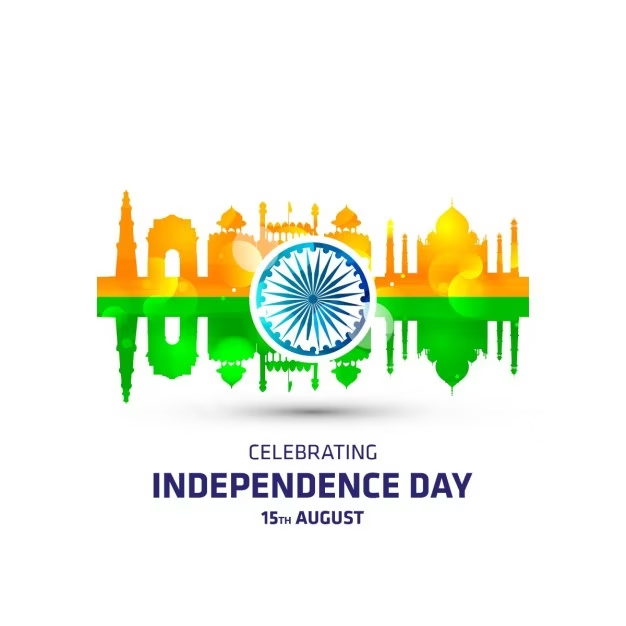
    As the sun rises on August 15, 2024, India stands united in celebrating its 78th Independence Day. This day marks the triumph of freedom, the culmination of sacrifices, and the spirit of unity that continues to define the nation.

    Independence Day is a time of reflection, celebration, and unity as we commemorate the freedom and sovereignty of our nation. As we step into another year of independence, it’s essential to share our joy with friends and family. To make this day even more special, we’ve compiled a list of the top 50 wishes, messages, and quotes that you can share with your loved ones, spreading the joy and pride that Independence Day brings.

    Wishes for Independence Day

    1. Wishing you a joyful Independence Day filled with pride, freedom, and happiness!
    2. May the colors of our flag always remind us of the sacrifices made for our freedom. Happy Independence Day!
    3. As we celebrate this day, let’s remember and honor the brave souls who fought for our freedom.
    4. Happy Independence Day! Let’s cherish the liberty and opportunities our nation provides us.
    5. May our country always flourish and stand as a symbol of unity and progress. Happy Independence Day!
    6. May the tricolor always fly high, symbolizing the freedom we cherish. Happy Independence Day!
    7. Let’s celebrate the power of unity that led us to freedom. Happy 15th August!
    8. Today, we remember the heroes who gave their all for our tomorrow. Happy Independence Day.
    9. On this day, let’s renew our commitment to a stronger, brighter India. Happy Independence Day!
    10. Wishing you a day filled with the colors of freedom and the fragrance of unity. Happy 77th Independence Day!
    11. As we remember the past, let’s shape a better future for our nation. Happy Independence Day!
    12. May the spirit of freedom inspire us to achieve new heights. Happy 15th August!
    13. Celebrating the journey of India towards progress and prosperity. Happy Independence Day!

    Messages to Share

    1. On this Independence Day, let’s take a moment to appreciate the freedom we enjoy and strive to preserve it for generations to come.
    2. As we witness the flag unfurl, let’s renew our commitment to building a stronger and more inclusive nation.
    3. May the spirit of patriotism inspire us to contribute to the betterment of our country. Happy Independence Day!
    4. Today, we celebrate not just freedom, but the collective strength of our diverse cultures that make our nation truly unique.
    5. Happy Independence Day! Let’s celebrate the victories of the past and the possibilities of the future.

    Quotes to Inspire

    1. “Freedom is not worth having if it does not include the freedom to make mistakes.” – Mahatma Gandhi
    2. “In the truest sense, freedom cannot be bestowed; it must be achieved.” – Franklin D. Roosevelt
    3. “The greatest glory of a free-born people is to transmit that freedom to their children.” – William Havard
    4. “Those who deny freedom to others deserve it not for themselves.” – Abraham Lincoln
    5. “Let us be clear: equal rights for all, special privileges for none.” – Ronald Reagan
    6. “Long years ago, we made a tryst with destiny, and now the time comes when we shall redeem our pledge.” – Jawaharlal Nehru
    7. “The future depends on what you do today.” – Mahatma Gandhi
    8. “Let us sacrifice our today so that our children can have a better tomorrow.” – A.P.J. Abdul Kalam

    More Independence Day Wishes

    1. May the spirit of freedom fill your heart and inspire your actions. Happy Independence Day!
    2. This Independence Day, let’s come together to celebrate the diversity that makes our nation strong.
    3. Wishing you a day filled with fireworks, festivities, and the pride of being part of this great nation.
    4. On this special day, let’s remember that unity is our strength. Happy Independence Day!
    5. As the sun rises on another Independence Day, let’s renew our commitment to a united and prosperous nation.

    Meaningful Messages

    1. May the flag wave high and our hearts beat with gratitude for the liberty we cherish.
    2. Let’s celebrate the freedom to dream, to achieve, and to make our nation proud. Happy Independence Day!
    3. Our freedom is a reminder that we can overcome any challenge when we stand united.
    4. Just as our flag unfurls, let our potential as a nation also unfurl to achieve greater heights.
    5. Happy Independence Day! May the ideals of freedom and justice always guide our nation.

    Inspirational Quotes

    1. “Freedom is the open window through which pours the sunlight of the human spirit and human dignity.” – Herbert Hoover
    2. “Liberty is the breath of life to nations.” – George Bernard Shaw
    3. “Freedom is never dear at any price. It is the breath of life.” – Bal Gangadhar Tilak
    4. “Freedom is nothing but a chance to be better.” – Albert Camus
    5. “Independence is happiness.” – Susan B. Anthony

    For Social Media Captions

    1. 🇮🇳 Proud to be Indian. Happy Independence Day!
    2. 🌟 Celebrating freedom, unity, and progress. Happy 15th August!
    3. 🎉 Let’s paint the world with the colors of independence. #HappyIndependenceDay
    4. 🙌 Saluting the heroes who shaped our destiny. Happy Independence Day!
    5. 🤝 United we stand, celebrating 77 years of freedom. #IndependenceDay2024
    6. 🎆 Let’s light up the sky with the spirit of patriotism. Happy Independence Day!
    7. 📜 Rewriting history with every step towards progress. Happy 15th August!
    8. 🌈 Embracing diversity, celebrating unity. Happy Independence Day!
    9. 💪 Striving for a better tomorrow, fueled by the dreams of freedom fighters. #HappyIndependenceDay
    10. 🗽 Freedom is our legacy; progress is our journey. Happy Independence Day!

    Final Thoughts

    As Independence Day 2024 dawns upon us, let’s take a moment to reflect on the progress we’ve made as a nation and the challenges that lie ahead. It’s a day to celebrate not only our freedom but also the spirit of unity and resilience that defines us as a people. Whether you’re sending wishes, messages, or sharing quotes, remember that your words can inspire, unite, and ignite the patriotic flame in the hearts of your loved ones. Happy Independence Day!

  • Happy Independence Day 2026: Top 50 Wishes, Messages, Quotes and Images to share with your loved ones

    Happy Independence Day 2026: Top 50 Wishes, Messages, Quotes and Images to share with your loved ones

    As the sun rises on August 15, 2026, India stands united in celebrating its 80th Independence Day. This day marks the triumph of freedom, the culmination of sacrifices, and the spirit of unity that continues to define the nation.

    Independence Day is a time of reflection, celebration, and unity as we commemorate the freedom and sovereignty of our nation. As we step into another year of independence, it’s essential to share our joy with friends and family. To make this day even more special, we’ve compiled a list of the top 50 wishes, messages, and quotes that you can share with your loved ones, spreading the joy and pride that Independence Day brings.

    Wishes for Independence Day

    1. Wishing you a joyful Independence Day filled with pride, freedom, and happiness!
    2. May the colors of our flag always remind us of the sacrifices made for our freedom. Happy Independence Day!
    3. As we celebrate this day, let’s remember and honor the brave souls who fought for our freedom.
    4. Happy Independence Day! Let’s cherish the liberty and opportunities our nation provides us.
    5. May our country always flourish and stand as a symbol of unity and progress. Happy Independence Day!
    6. May the tricolor always fly high, symbolizing the freedom we cherish. Happy Independence Day!
    7. Let’s celebrate the power of unity that led us to freedom. Happy 15th August!
    8. Today, we remember the heroes who gave their all for our tomorrow. Happy Independence Day.
    9. On this day, let’s renew our commitment to a stronger, brighter India. Happy Independence Day!
    10. Wishing you a day filled with the colors of freedom and the fragrance of unity. Happy 77th Independence Day!
    11. As we remember the past, let’s shape a better future for our nation. Happy Independence Day!
    12. May the spirit of freedom inspire us to achieve new heights. Happy 15th August!
    13. Celebrating the journey of India towards progress and prosperity. Happy Independence Day!

    Messages to Share

    1. On this Independence Day, let’s take a moment to appreciate the freedom we enjoy and strive to preserve it for generations to come.
    2. As we witness the flag unfurl, let’s renew our commitment to building a stronger and more inclusive nation.
    3. May the spirit of patriotism inspire us to contribute to the betterment of our country. Happy Independence Day!
    4. Today, we celebrate not just freedom, but the collective strength of our diverse cultures that make our nation truly unique.
    5. Happy Independence Day! Let’s celebrate the victories of the past and the possibilities of the future.

    Quotes to Inspire

    1. “Freedom is not worth having if it does not include the freedom to make mistakes.” – Mahatma Gandhi
    2. “In the truest sense, freedom cannot be bestowed; it must be achieved.” – Franklin D. Roosevelt
    3. “The greatest glory of a free-born people is to transmit that freedom to their children.” – William Havard
    4. “Those who deny freedom to others deserve it not for themselves.” – Abraham Lincoln
    5. “Let us be clear: equal rights for all, special privileges for none.” – Ronald Reagan
    6. “Long years ago, we made a tryst with destiny, and now the time comes when we shall redeem our pledge.” – Jawaharlal Nehru
    7. “The future depends on what you do today.” – Mahatma Gandhi
    8. “Let us sacrifice our today so that our children can have a better tomorrow.” – A.P.J. Abdul Kalam

    More Independence Day Wishes

    1. May the spirit of freedom fill your heart and inspire your actions. Happy Independence Day!
    2. This Independence Day, let’s come together to celebrate the diversity that makes our nation strong.
    3. Wishing you a day filled with fireworks, festivities, and the pride of being part of this great nation.
    4. On this special day, let’s remember that unity is our strength. Happy Independence Day!
    5. As the sun rises on another Independence Day, let’s renew our commitment to a united and prosperous nation.

    Meaningful Messages

    1. May the flag wave high and our hearts beat with gratitude for the liberty we cherish.
    2. Let’s celebrate the freedom to dream, to achieve, and to make our nation proud. Happy Independence Day!
    3. Our freedom is a reminder that we can overcome any challenge when we stand united.
    4. Just as our flag unfurls, let our potential as a nation also unfurl to achieve greater heights.
    5. Happy Independence Day! May the ideals of freedom and justice always guide our nation.

    Inspirational Quotes

    1. “Freedom is the open window through which pours the sunlight of the human spirit and human dignity.” – Herbert Hoover
    2. “Liberty is the breath of life to nations.” – George Bernard Shaw
    3. “Freedom is never dear at any price. It is the breath of life.” – Bal Gangadhar Tilak
    4. “Freedom is nothing but a chance to be better.” – Albert Camus
    5. “Independence is happiness.” – Susan B. Anthony

    For Social Media Captions

    1. 🇮🇳 Proud to be Indian. Happy Independence Day!
    2. 🌟 Celebrating freedom, unity, and progress. Happy 15th August!
    3. 🎉 Let’s paint the world with the colors of independence. #HappyIndependenceDay
    4. 🙌 Saluting the heroes who shaped our destiny. Happy Independence Day!
    5. 🤝 United we stand, celebrating 77 years of freedom. #IndependenceDay2026
    6. 🎆 Let’s light up the sky with the spirit of patriotism. Happy Independence Day!
    7. 📜 Rewriting history with every step towards progress. Happy 15th August!
    8. 🌈 Embracing diversity, celebrating unity. Happy Independence Day!
    9. 💪 Striving for a better tomorrow, fueled by the dreams of freedom fighters. #HappyIndependenceDay
    10. 🗽 Freedom is our legacy; progress is our journey. Happy Independence Day!

    Final Thoughts

    As Independence Day 2026 dawns upon us, let’s take a moment to reflect on the progress we’ve made as a nation and the challenges that lie ahead. It’s a day to celebrate not only our freedom but also the spirit of unity and resilience that defines us as a people. Whether you’re sending wishes, messages, or sharing quotes, remember that your words can inspire, unite, and ignite the patriotic flame in the hearts of your loved ones. Happy Independence Day!