
Category: Marketing

  • Brand Management: Importance, Definition, Challenges

    Brand Management: Importance, Definition, Challenges

    What is Brand Management?

    Brand Management involves using marketing techniques to enhance the perceived value of a product, product line, or brand. The ultimate goal is to elevate the brand’s equity and franchise in the eyes of the customer. It encompasses the ongoing process of maintaining, improving, and upholding a brand to ensure it is consistently associated with positive outcomes.

    Understanding the Basics: Brand, Branding, and Brand Elements

    What is a Brand?

    A brand is the identifier of the seller or maker, representing a promise to deliver specific benefits, attributes, or services to the buyer. Each brand signifies a level of quality and is a combination of elements such as name, sign, symbol, or design.

    Brand Definition

    A brand is a name, term, sign, symbol, design, or a combination of them, intended to identify the goods and services of one seller or group of sellers and to differentiate them from those of the competition.

    (American Marketing Association (AMA))

    What is Branding?

    Branding is the strategic process of managing a trademark portfolio to maximize the value associated with customer experiences. It focuses on creating a positive association with the brand, benefiting key stakeholders, especially current and prospective customers.

    Different Types of Brand Elements

    Brands are composed of various elements, including:

    • Brand Name
    • Logo
    • Theme Line
    • Shape
    • Graphics
    • Colour
    • Sound
    • Movement
    • Smell
    • Taste

    Selecting a Brand Name

    Choosing a brand name is a critical aspect of branding. The criteria for selection include:

    • Easy for customers to say, spell, and recall.
    • Indicates major product benefits.
    • Should be distinctive and compatible with the entire product line.
    • Recognizable in all types of media.
    • Avoids negative connotations by using neutral words.
    • Can be created internally or by a consultancy.

    Importance of Branding

    Branding plays a pivotal role in various aspects of business, offering numerous advantages:

    • Reducing the risks in product decisions.
    • Getting recognition for the brand.
    • Increasing business value.
    • Generating new customers.
    • Improving employee pride and satisfaction.
    • Creating trust within the marketplace.
    • Supporting advertising.
    • Being a source of competitive advantage.

    Branding Challenges and Opportunities

    Savvy Customers

    The internet and technology have empowered consumers with knowledge, making it challenging to persuade them through traditional communication methods. Consumers consult a vast array of information sources, posing a key challenge for marketers.

    Brand Proliferation

    The rise in line and brand extensions has led to the proliferation of new brands and products, complicating the identification of a brand with specific products.

    Media Fragmentation

    Traditional advertising media fragmentation and the emergence of nontraditional media alternatives add complexity to brand communication, requiring marketers to adapt to new and interactive forms of communication.

    Increased Competition

    Both supply-side and demand-side factors contribute to heightened competition, forcing marketers to employ discounts and incentives to stay competitive.

    Increased Costs

    As competition intensifies, the cost of introducing new products rises, making it challenging to match previous levels of investment and support for brands.

    Greater Accountability

    The pressure for strong and consistent earnings reports places marketing managers in a dilemma, requiring decisions with short-term benefits but potential long-term costs.

    Functions of Brand Managers

    Effective brand management involves various functions, such as:

    • Developing brand strategy
    • Brand positioning
    • Brand architecture
    • Brand portfolio management
    • Brand communication
    • Brand equity
    • Brand extension
    • Brand valuation

    In conclusion, Brand Management is an essential aspect of any business. It involves the strategic process of creating a brand, maintaining and improving it, and leveraging it to increase business value. Although it poses various challenges, effective brand management can provide numerous benefits to a company, such as recognition, trust, and a competitive advantage in the marketplace.
  • The Difference Between a Logo, a Brand and Visual Branding Explained

    The Difference Between a Logo, a Brand and Visual Branding Explained

    In this article we are going to learn about the Difference Between a Logo, a Brand and Visual Branding. As you navigate the realms of business and marketing, you may come across terms like brand, visual branding, and logo. These concepts play a crucial role in shaping how a company is perceived by the public. In this article, we’ll break down the differences between a brand, visual branding, and a logo, making it easy for a budding graduate to grasp these fundamental concepts.

    What is a Brand?

    brand is a name, term, design, symbol or any other feature that distinguishes one seller’s good or service from those of other sellers.

    A brand is how something is presented to the public. This “something” could be a product, a product line, an entire company, or even a person. Every interaction with the public influences and shapes the brand. The key elements of a brand include brand value, customer persona, and personality.

    Key Elements of a Brand

    1. Brand Value: All brands must offer good value to customers. This value, often termed as a unique selling proposition, defines what customers can expect from the brand and what the brand promises to deliver.
    2. Customer Persona: Understanding your ideal buyer is crucial in marketing. Are your customers value-focused or quality-oriented? Adjustments to your brand may be needed to reach different demographics.
    3. Personality: Each brand has a personality displayed during interactions with the public. This personality should align with the target audience and the unique selling proposition.

    What is Visual Branding?

    Visual branding is how a brand uses colors, shapes, typography, fonts, symbols, and images to represent its values and personality. It is essentially the visual identity of a brand, instantly recognizable like a celebrity’s face. Visual branding influences all designs associated with the brand, with a primary focus on creating a mature visual identity before diving into logo design.

    Key Elements of Visual Branding

    1. Easily Recognizable: Visual branding allows immediate brand recognition through small visual clues, differentiating it from other brands.
    2. Understandable for New Audiences: Beyond recognition, outstanding visual branding subtly communicates a brand’s core principles to someone encountering the brand for the first time.
    3. Attractive Across Mediums: Consistent use of visual branding across various mediums is vital. It should look appealing on diverse platforms, from T-shirts to billboards.

    What is a Logo?

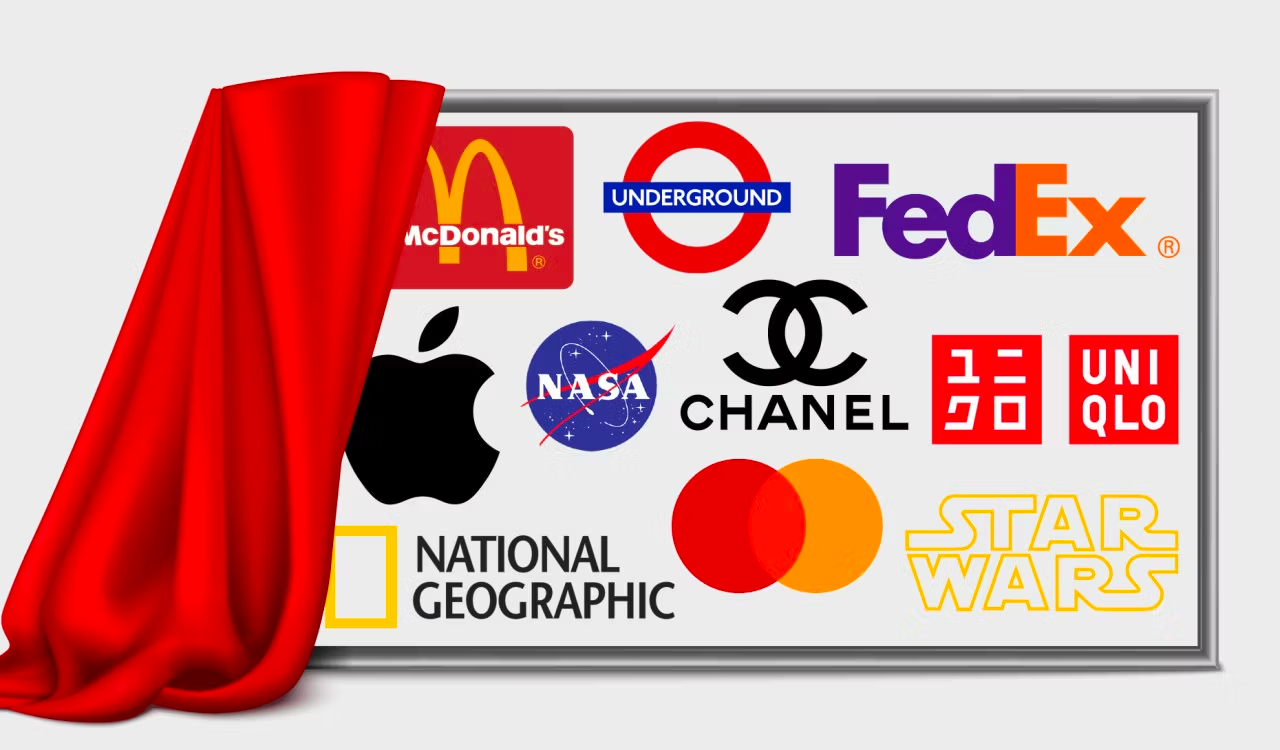
    A logo is a graphical or text-based representation of a brand. It distills the essence of a brand into a single visual expression that is easily recognizable. While visual branding sets the stage, a logo is the final touch, embodying the brand’s core values.

    Key Elements of a Logo

    1. Simplicity is Key: Keep logos as simple as possible. The Mercedes-Benz logo, for example, is a model of simplicity yet effectively represents the company.
    2. Color Conscious: Reflect the visual branding in logo colors, but keep the palette simple. One to three colors is optimal for versatility.
    3. Longevity: Logos should withstand the test of time, avoiding elements that may become outdated. Universality and timelessness are key considerations.

    Types of Logos

    1. Image-based Logos: Use easily recognizable or abstract images. These work across language barriers but may not convey the brand’s name.
    2. Word-based Logos: Apply typography and a specific font to the brand’s name. Stylized word-based logos are versatile, making the brand name more overt.
    3. Combination Logos: Combine images and text into one logo for versatility, though with a slight loss of simplicity.

    Conclusion

    In conclusion, understanding the distinctions between a brand, visual branding, and a logo is essential for anyone entering the business and marketing world. Brands are built on key elements like value, customer persona, and personality, while visual branding creates a recognizable identity. Logos, as the visual representation of a brand, encapsulate its essence in a simple, timeless design. With these concepts in mind, businesses can craft a strong and lasting impression in the minds of their audience.

  • What is Cross-Selling? Benefits and Why big business use it

    What is Cross-Selling? Benefits and Why big business use it

    Cross-selling is a sales strategy where the seller encourages the customer to spend more by recommending related products that are already being purchased. The idea is that the customer spend more and buy him more things than he thought he would actually do.

    What is Cross Selling?

    Cross-selling is a strategy that capitalizes on the “just in case” mindset of customers. It is an art of enhancing the shopping experience of customers, while focusing on getting the most out of them. Many retailers and ecommerce stores rely heavily on cross selling because Cross-selling is a sales technique used to make the customer spend more to buy a product that is already related to being purchased. It’s easy to confuse cross-selling with upside. Cross-selling involves offering the customer a related product or service, while generally turmoil involves trading up to a better version of what is being purchased.

    Amazon has reportedly credited 35 percent of its sales as making sales through its “customers who bought this product” and the “often purchased together” option on each product page. This approach prompts a retailer to purchase a compatible – or necessary – product.

    Examples of Cross Selling

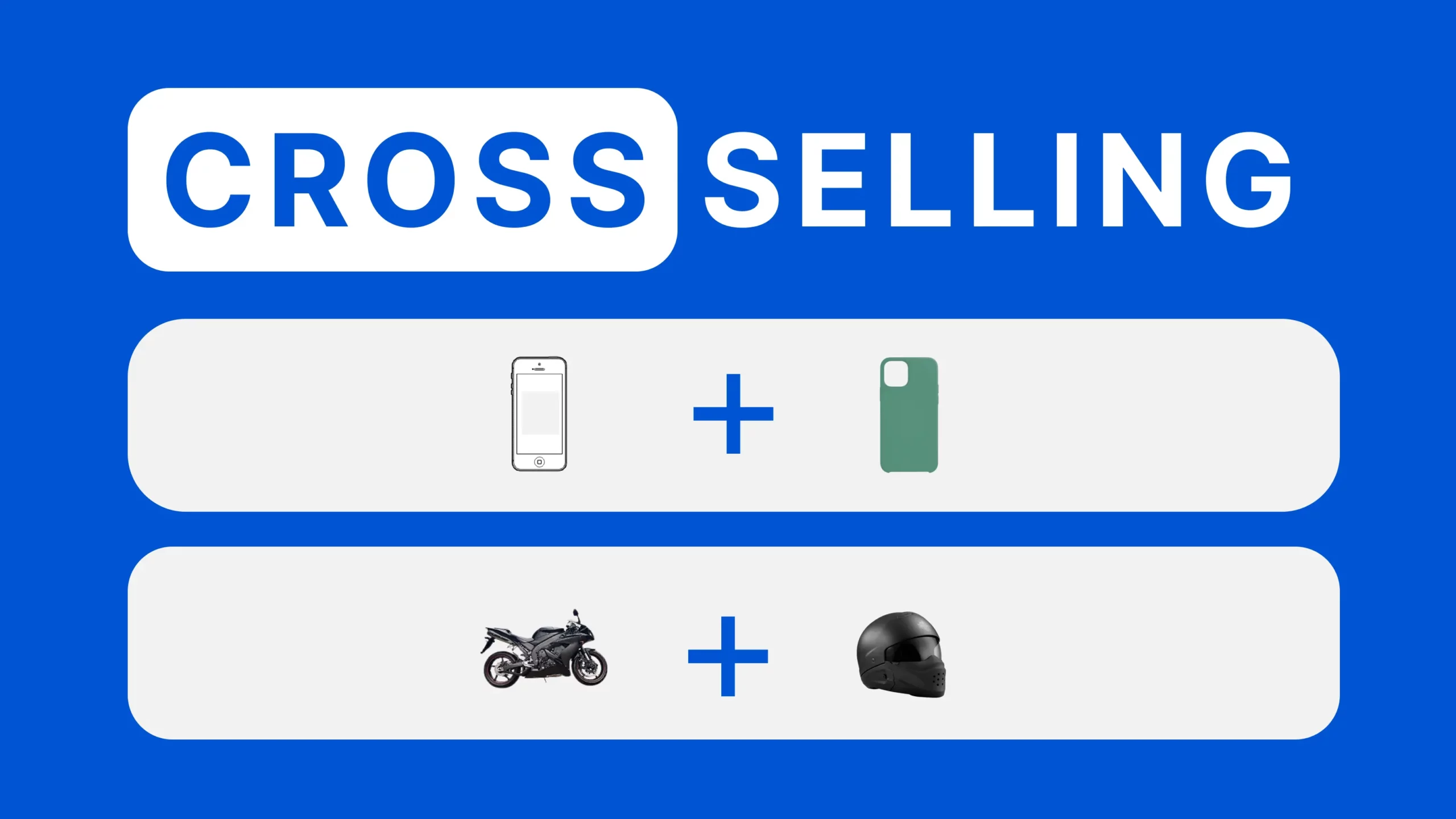
    Cross-selling involves offering different complementary products to your customers. These are products that optimize or improve the original product by adding new functionality. For example, think of a phone case or the insurance they always try to sell to you when you buy an electronic device.

    But it’s not just about offering everything you can think of. The key to this system is to add value to the user to indicate that you really know what they need, as in any other marketing action, there should be both planning and strategy behind cross-selling.

    Cross-Selling Strategies & Techniques

    Like upselling, cross selling strategies are also used at each stage of the marketing funnel, so the strategies can be divided into three stages

    • Before Sale- Product bundling and product recommendations at customer touch points make them look related to each other. E-commerce websites have recommendations and suggestions to increase the chances of cross-sales as the most popular deal’, ‘best offer’, ‘just for you’ etc.
    • During Sale- Recommendation of salesperson and parasitic offers at the point of sale in retail stores and ecommerce websites.
    • After Sale- Personalized emails, SMS and calls to entice customers to choose a related product.

    Difference between Cross-Selling and Upselling

    They are similar, but not identical, these two concepts are generally mixed. However, it is important to clearly distinguish them. Cross-selling, as we have already seen, encourages customers to buy other related products that complement their purchase.

    However, the upselling tries to get the customer to buy a different, more expensive version of the same product. They have different strategies with the same goal to increase the average checkout price. With cross-selling we get that product by adding other products, while we are fussy, we sell more expensive, and therefore more profitable, products.

    Let’s look at this with an example: When the salesman at a car dealership tries to convince customers to buy a model with more additional features, he is using upselling strategy . If, once the customer has purchased the car, he also provides insurance or a roof rack, which is cross-selling, cross-selling: final product + added product. Upselling high-priced final products, in both cases we increase the average checkout price, but in different ways.

    Benefits of Cross-Selling

    The most obvious advantage of cross-selling is that it increases sales volume, but it’s far from just one, let’s take a look at the rest.

    • More sales – this is one of the main reasons and for this reason you are reading this article. But be careful, it’s not an increase in sales, but rather that each customer buys more products with each order.
    • Optimized costs – Managing just one order with multiple products will always be cheaper than placing separate orders with just one product.
    • Greater client loyalty – Keeping in mind the needs of the user will make him feel more satisfied, because you are adding more value. This will result in greater loyalty to your brand.
    • Selling “unknown” products – This is the right position to show all the products you have, but it may be less popular.