Category: Marketing

  • Brand Management: Importance, Definition, Challenges

    Brand Management: Importance, Definition, Challenges

    What is Brand Management?

    Brand Management involves using marketing techniques to enhance the perceived value of a product, product line, or brand. The ultimate goal is to elevate the brand’s equity and franchise in the eyes of the customer. It encompasses the ongoing process of maintaining, improving, and upholding a brand to ensure it is consistently associated with positive outcomes.

    Understanding the Basics: Brand, Branding, and Brand Elements

    What is a Brand?

    A brand is the identifier of the seller or maker, representing a promise to deliver specific benefits, attributes, or services to the buyer. Each brand signifies a level of quality and is a combination of elements such as name, sign, symbol, or design.

    Brand Definition

    A brand is a name, term, sign, symbol, design, or a combination of them, intended to identify the goods and services of one seller or group of sellers and to differentiate them from those of the competition.

    (American Marketing Association (AMA))

    What is Branding?

    Branding is the strategic process of managing a trademark portfolio to maximize the value associated with customer experiences. It focuses on creating a positive association with the brand, benefiting key stakeholders, especially current and prospective customers.

    Different Types of Brand Elements

    Brands are composed of various elements, including:

    • Brand Name
    • Logo
    • Theme Line
    • Shape
    • Graphics
    • Colour
    • Sound
    • Movement
    • Smell
    • Taste

    Selecting a Brand Name

    Choosing a brand name is a critical aspect of branding. The criteria for selection include:

    • Easy for customers to say, spell, and recall.
    • Indicates major product benefits.
    • Should be distinctive and compatible with the entire product line.
    • Recognizable in all types of media.
    • Avoids negative connotations by using neutral words.
    • Can be created internally or by a consultancy.

    Importance of Branding

    Branding plays a pivotal role in various aspects of business, offering numerous advantages:

    • Reducing the risks in product decisions.
    • Getting recognition for the brand.
    • Increasing business value.
    • Generating new customers.
    • Improving employee pride and satisfaction.
    • Creating trust within the marketplace.
    • Supporting advertising.
    • Being a source of competitive advantage.

    Branding Challenges and Opportunities

    Savvy Customers

    The internet and technology have empowered consumers with knowledge, making it challenging to persuade them through traditional communication methods. Consumers consult a vast array of information sources, posing a key challenge for marketers.

    Brand Proliferation

    The rise in line and brand extensions has led to the proliferation of new brands and products, complicating the identification of a brand with specific products.

    Media Fragmentation

    Traditional advertising media fragmentation and the emergence of nontraditional media alternatives add complexity to brand communication, requiring marketers to adapt to new and interactive forms of communication.

    Increased Competition

    Both supply-side and demand-side factors contribute to heightened competition, forcing marketers to employ discounts and incentives to stay competitive.

    Increased Costs

    As competition intensifies, the cost of introducing new products rises, making it challenging to match previous levels of investment and support for brands.

    Greater Accountability

    The pressure for strong and consistent earnings reports places marketing managers in a dilemma, requiring decisions with short-term benefits but potential long-term costs.

    Functions of Brand Managers

    Effective brand management involves various functions, such as:

    • Developing brand strategy
    • Brand positioning
    • Brand architecture
    • Brand portfolio management
    • Brand communication
    • Brand equity
    • Brand extension
    • Brand valuation

    In conclusion, Brand Management is an essential aspect of any business. It involves the strategic process of creating a brand, maintaining and improving it, and leveraging it to increase business value. Although it poses various challenges, effective brand management can provide numerous benefits to a company, such as recognition, trust, and a competitive advantage in the marketplace.
  • The Difference Between a Logo, a Brand and Visual Branding Explained

    The Difference Between a Logo, a Brand and Visual Branding Explained

    In this article we are going to learn about the Difference Between a Logo, a Brand and Visual Branding. As you navigate the realms of business and marketing, you may come across terms like brand, visual branding, and logo. These concepts play a crucial role in shaping how a company is perceived by the public. In this article, we’ll break down the differences between a brand, visual branding, and a logo, making it easy for a budding graduate to grasp these fundamental concepts.

    What is a Brand?

    brand is a name, term, design, symbol or any other feature that distinguishes one seller’s good or service from those of other sellers.

    A brand is how something is presented to the public. This “something” could be a product, a product line, an entire company, or even a person. Every interaction with the public influences and shapes the brand. The key elements of a brand include brand value, customer persona, and personality.

    Key Elements of a Brand

    1. Brand Value: All brands must offer good value to customers. This value, often termed as a unique selling proposition, defines what customers can expect from the brand and what the brand promises to deliver.
    2. Customer Persona: Understanding your ideal buyer is crucial in marketing. Are your customers value-focused or quality-oriented? Adjustments to your brand may be needed to reach different demographics.
    3. Personality: Each brand has a personality displayed during interactions with the public. This personality should align with the target audience and the unique selling proposition.

    What is Visual Branding?

    Visual branding is how a brand uses colors, shapes, typography, fonts, symbols, and images to represent its values and personality. It is essentially the visual identity of a brand, instantly recognizable like a celebrity’s face. Visual branding influences all designs associated with the brand, with a primary focus on creating a mature visual identity before diving into logo design.

    Key Elements of Visual Branding

    1. Easily Recognizable: Visual branding allows immediate brand recognition through small visual clues, differentiating it from other brands.
    2. Understandable for New Audiences: Beyond recognition, outstanding visual branding subtly communicates a brand’s core principles to someone encountering the brand for the first time.
    3. Attractive Across Mediums: Consistent use of visual branding across various mediums is vital. It should look appealing on diverse platforms, from T-shirts to billboards.

    What is a Logo?

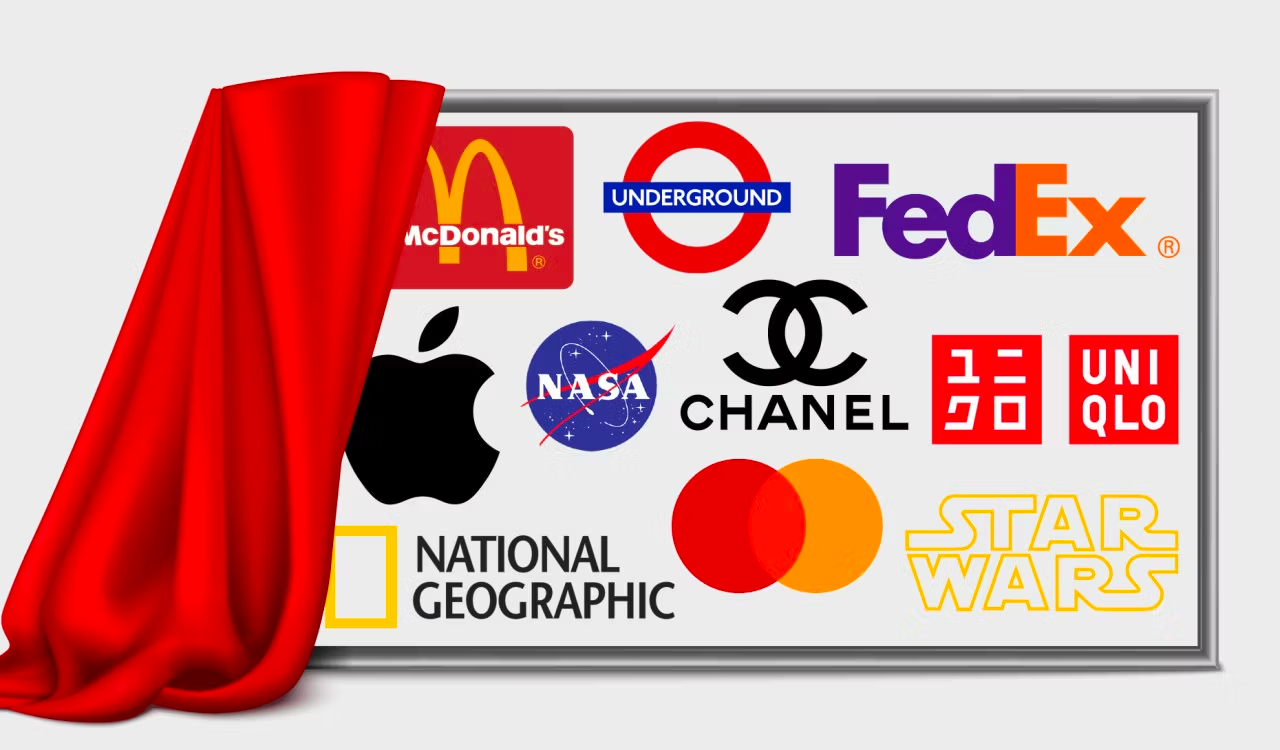
    A logo is a graphical or text-based representation of a brand. It distills the essence of a brand into a single visual expression that is easily recognizable. While visual branding sets the stage, a logo is the final touch, embodying the brand’s core values.

    Key Elements of a Logo

    1. Simplicity is Key: Keep logos as simple as possible. The Mercedes-Benz logo, for example, is a model of simplicity yet effectively represents the company.
    2. Color Conscious: Reflect the visual branding in logo colors, but keep the palette simple. One to three colors is optimal for versatility.
    3. Longevity: Logos should withstand the test of time, avoiding elements that may become outdated. Universality and timelessness are key considerations.

    Types of Logos

    1. Image-based Logos: Use easily recognizable or abstract images. These work across language barriers but may not convey the brand’s name.
    2. Word-based Logos: Apply typography and a specific font to the brand’s name. Stylized word-based logos are versatile, making the brand name more overt.
    3. Combination Logos: Combine images and text into one logo for versatility, though with a slight loss of simplicity.

    Conclusion

    In conclusion, understanding the distinctions between a brand, visual branding, and a logo is essential for anyone entering the business and marketing world. Brands are built on key elements like value, customer persona, and personality, while visual branding creates a recognizable identity. Logos, as the visual representation of a brand, encapsulate its essence in a simple, timeless design. With these concepts in mind, businesses can craft a strong and lasting impression in the minds of their audience.

  • The Marketing Mix: Achieving Success with the 4Ps

    The Marketing Mix: Achieving Success with the 4Ps

    In this article, we’ll learn about The marketing mix, also known as the 4Ps of marketing, is a framework for developing and executing marketing strategies.

    In the world of business, there are many factors that contribute to success. One of the most important is marketing. Marketing is the process of creating, communicating, delivering, and exchanging offerings that have value for customers, clients, partners, and society at large.

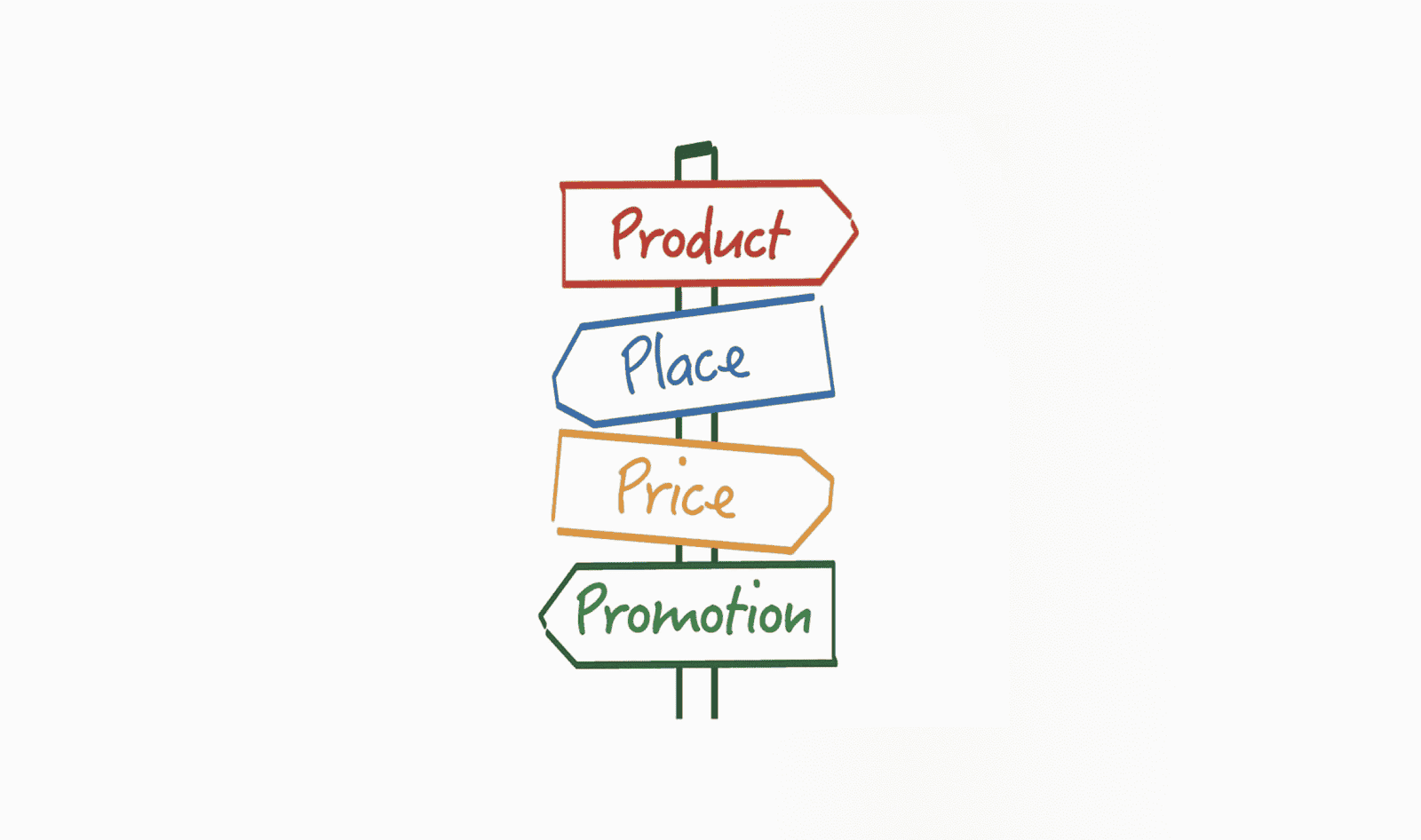
    One of the most important concepts in marketing is the marketing mix. The marketing mix is a set of controllable variables that a company uses to influence the customer’s perception of its products or services. These variables are often grouped into four key components, often referred to as the “Four Ps of Marketing.”

    4Ps of Marketing

    The four Ps of marketing are:

    1. Product: The product is the physical good or service that the company offers to its customers. It is important to choose a product that meets the needs and wants of the target market.
    2. Price: The price is the amount that the company charges for its products or services. It is important to set a price that is competitive and that reflects the value of the product or service.
    3. Place: The place is where the company’s products or services are offered to its customers. It is important to choose a place that is convenient for the target market and that is consistent with the brand image.
    4. Promotion: Promotion is the way that the company communicates its products or services to its customers. It is important to use a variety of promotional channels to reach the target market.

    Using the Marketing Mix to Achieve Success

    The marketing mix can be used to achieve a variety of marketing goals, such as:

    • Increasing brand awareness: The marketing mix can be used to create awareness of a company’s brand and its products or services.
    • Generating leads: The marketing mix can be used to generate leads, which are potential customers who have expressed interest in a company’s products or services.
    • Increasing sales: The marketing mix can be used to increase sales by convincing potential customers to buy a company’s products or services.
    • Building customer loyalty: The marketing mix can be used to build customer loyalty by providing customers with excellent customer service and creating a positive customer experience.

    Conclusion

    The marketing mix is a powerful tool that can be used to achieve success in business. By using the marketing mix effectively, companies can create a strong brand, generate leads, increase sales, and build customer loyalty.

    In addition to the four Ps, there are also other important factors to consider when developing a marketing mix. These factors include the target market, the competitive landscape, and the company’s resources.

    By carefully considering all of these factors, companies can develop a marketing mix that is tailored to their specific needs and that will help them achieve their marketing goals.

    I would also like to add that the marketing mix is not a static concept. It should be constantly reviewed and updated to reflect the changing needs of the market and the competitive landscape.

  • Types of Marketing

    Types of Marketing

    In this article, we’ll learn about different types of marketing, Marketing, a multifaceted discipline, encompasses a wide spectrum of approaches tailored to connect with diverse audiences and achieve specific goals. Let’s explore the distinct types of marketing that businesses and organizations employ to effectively engage their target markets.

    1. Consumer Marketing: Reaching Individual Consumers

    Consumer marketing, perhaps the most recognizable form, involves promoting products and services directly to individual consumers. Its primary objective is to create brand awareness, stimulate demand, and drive sales. This type of marketing frequently utilizes strategies such as advertising, promotions, and public relations to influence individual purchasing decisions.

    2. Business-to-Business (B2B) Marketing: Fostering Business Partnerships

    In contrast to consumer marketing, B2B marketing focuses on promoting products and services to other businesses. It involves crafting value propositions that align with the operational or manufacturing needs of other enterprises. Building strong relationships, showcasing the benefits of collaboration, and highlighting the efficiency of products or services are key elements of B2B marketing.

    3. Industrial Marketing: Addressing Specialized Needs

    Industrial marketing represents a specialized form of B2B marketing that targets industrial users, including manufacturers and distributors. It often entails promoting complex and specialized products or services tailored to the unique requirements of industrial clients. Establishing trust and emphasizing the functionality and efficiency of industrial solutions are crucial components of industrial marketing.

    4. Non-Profit Marketing: Advancing Social Causes

    Non-profit marketing revolves around promoting the mission, services, and fundraising efforts of non-profit organizations. While profit generation may not be the ultimate goal, the principles of marketing are applied to attract donors, volunteers, and supporters. Storytelling and emphasizing the social impact of the organization play a pivotal role in non-profit marketing.

    5. Digital Marketing: Embracing the Online Landscape

    In the digital era, businesses leverage various online channels to connect with their target audience. Digital marketing encompasses a diverse array of tactics, including website optimization, social media marketing, email campaigns, and search engine optimization (SEO). This type of marketing enables precise targeting, real-time analytics, and interactive engagement with the audience.

    6. Global Marketing: Bridging Cultural Divides

    As businesses expand beyond local borders, global marketing becomes essential. It involves tailoring strategies to reach and resonate with customers across different cultures and regions. Understanding cultural nuances, adapting messaging, and addressing diverse market needs are critical aspects of successful global marketing campaigns.

    Conclusion

    The world of marketing is dynamic and ever-evolving, offering a diverse range of strategies to suit the unique objectives of businesses. Whether targeting individual consumers, collaborating with other businesses, or making a positive social impact, the key lies in understanding the specific context and needs of the target audience. By embracing these various types of marketing, businesses can navigate the intricate landscape of consumer behavior and market dynamics, ultimately driving success in their respective domains.

  • Marketing’s Core Functions

    Marketing’s Core Functions

    In this article, we’ll learn about Marketing’s Core Functions.

    Marketing is a dynamic and multifaceted field that plays a pivotal role in the success of businesses and organizations across all industries. It encompasses a wide range of activities, all aimed at understanding customer needs, developing relevant products and services, communicating their value effectively, and ultimately driving sales and profits.

    Marketing’s Core Functions

    Marketing plays a crucial role in the success of businesses and organizations, serving several essential functions:

    1. Market Research: Understanding the market, customer needs, and competitor landscape is fundamental to developing effective marketing strategies. Market research involves gathering data through surveys, focus groups, and other methods to gain insights into customer behavior, preferences, and trends.
    2. Product Development: Marketing plays a significant role in shaping product development. By understanding customer needs and market demand, marketing teams can provide valuable input into product features, pricing, and positioning.
    3. Branding: Creating a strong brand identity is essential for differentiation and customer loyalty. Marketing activities, such as advertising, public relations, and social media engagement, help shape brand perception and build brand equity.
    4. Pricing Strategy: Determining the right price for products or services is a critical marketing decision. Marketing insights into customer willingness to pay, competitor pricing, and cost structures inform pricing strategies.
    5. Communication and Promotion: Marketing effectively communicates the value proposition of products and services to target audiences. This involves creating compelling messaging, selecting appropriate channels, and executing promotional campaigns.
    6. Sales and Distribution: While sales are often considered a separate function, marketing plays a significant role in supporting sales efforts. Marketing activities generate leads, nurture customer relationships, and facilitate the sales process.

    In conclusion, marketing’s core functions are essential for the success of businesses and organizations. By understanding market dynamics, shaping product development, building a strong brand, setting effective pricing strategies, communicating value, and supporting sales efforts, marketing drives business growth, customer satisfaction, and long-term sustainability.

  • What is Marketing, Definition & Goals

    What is Marketing, Definition & Goals

    In this article, we’ll learn about What is Marketing, the goals of Marketing , Benefits of Marketing, Limitations of Marketing and more.

    Marketing is the process of creating, communicating, delivering, and exchanging offerings that have value for customers, clients, partners, and society at large.

    Marketing Definitions

    1. According to the American Marketing Association (AMA) Board of Directors:

    “Marketing is the activity, set of institutions, and processes for creating, communicating, delivering, and exchanging offerings that have value for customers, clients, partners, and society at large”.

    2. According to Dr. Philip Kotler:

    “The science and art of exploring, creating, and delivering value to satisfy the needs of a target market at a profit. Marketing identifies unfulfilled needs and desires. It defines, measures and quantifies the size of the identified market and the profit potential. It pinpoints which segments the company is capable of serving best and it designs and promotes the appropriate products and services”.

    The Goals of Marketing

    The goals of marketing are to:

    • Create customer value: Marketing should create value for customers by providing products and services that meet their needs and wants.
    • Build strong customer relationships: Marketing should build strong relationships with customers by providing them with excellent customer service and creating a positive customer experience.
    • Generate sales and profit: Marketing should generate sales and profit for the organization.

    Benefits of Marketing

    Benefits of Marketing for Businesses

    1. Increased Brand Awareness and Recognition:
      • Effective marketing enhances visibility and familiarity.
      • Greater recall and consideration when customers need products or services.
      • Establishes legitimacy in the industry and builds trust.
    2. Attracting and Retaining Customers:
      • Reaches new potential customers through targeted messaging.
      • Converts them into paying customers with compelling value propositions.
      • Fosters loyalty and encourages repeat business by understanding customer needs.
    3. Product Development and Innovation:
      • Marketing research provides insights into customer needs and preferences.
      • Enables the development of products and services aligned with audience preferences.
      • Addresses unmet needs, leading to higher customer satisfaction and market differentiation.
    4. Competitive Advantage:
      • Strong marketing differentiates the brand from competitors.
      • Highlights unique value propositions, strengths, and brand personality.
      • Attracts customers seeking specific features, positioning the brand as the preferred choice.
    5. Increased Sales and Revenue:
      • Successful marketing contributes directly to the bottom line.
      • Generates leads, nurtures them through the sales funnel, and converts them into customers.
      • Drives growth in sales and revenue for the business.
    6. Improved Brand Reputation and Perception:
      • Effective marketing builds a positive brand image.
      • Showcases values, mission, and commitment to quality.
      • Strengthens customer trust, attracts talent, and encourages positive word-of-mouth marketing.
    7. Enhanced Customer Experience:
      • Marketing plays a crucial role in creating a positive customer journey.
      • Provides clear communication, relevant content, and personalized interactions.
      • Leads to heightened customer satisfaction and fosters loyalty over time.

    Benefits of Marketing for Customers

    1. Discovery of New Products and Services:
      • Marketing aids customers in finding products and services that address their needs and solve problems.
      • Exposure to various options and highlighting relevant features empowers customers to make informed decisions.
    2. Informed Buying Decisions:
      • Marketing provides customers with essential information for making informed buying decisions.
      • This includes detailed product descriptions, comparisons, testimonials, and educational content.
      • Enables customers to choose the best option aligned with their needs and budget.
    3. Building Trust and Relationships:
      • Effective marketing establishes trust and fosters positive relationships.
      • Achieved through transparency, authenticity, and personalized communication.
      • Creates a sense of connection and loyalty, leading to repeat business and brand advocacy.
    4. Enhanced Value Perception:
      • Marketing effectively communicates the value proposition of a product or service.
      • Highlights benefits and justifies the price point to help customers understand the brand’s unique offering.
      • Increases the perceived value of the product or service, influencing customer choices.

    Limitations of Marketing

    Marketing, while immensely powerful, comes with its own set of limitations. Here are some key points to consider:

    • Oversaturation: With countless brands vying for attention, it can be difficult to stand out and reach your target audience. Consumers are bombarded with messages, leading to banner blindness and decreased effectiveness.
    • Devaluation: Constant exposure can devalue marketing messages. Repetitive promotions or manipulative tactics can erode trust and damage brand image.
    • No Guaranteed Success: Even the most well-crafted campaign cannot guarantee success. Unforeseen circumstances, competitor actions, or shifts in market trends can render even the best plans ineffective.
    • Customer Bias: Consumers are not passive targets. They have their own biases, preferences, and information processing styles. Marketing may not resonate with everyone, and misjudging your audience can lead to wasted resources.
    • Cost: Implementing effective marketing strategies can be expensive, especially for smaller businesses. From research and content creation to advertising and campaign management, costs can quickly add up.
    • Ethical Concerns: Balancing persuasion with transparency and avoiding manipulative tactics is crucial. Malpractices can damage brand reputation and ultimately harm both businesses and consumers.
    • Measuring ROI: Attributing specific results to marketing efforts can be challenging, making it difficult to measure return on investment (ROI) accurately. This can limit resources allocated to marketing and make it harder to justify its value.
    • Dynamic Landscape: Marketing tactics need to adapt constantly to keep pace with evolving technologies, consumer behavior, and social trends. Failure to adapt can leave brands outdated and irrelevant.
    • Limited Control: External factors like economic conditions, government regulations, and competitor actions can significantly impact marketing outcomes, even with the best planning.

    Remember, marketing is an ongoing process, not a one-time fix. Understanding these limitations and continuously refining your strategies are key to maximizing its effectiveness and achieving your marketing goals.

  • What is Cross-Selling? Benefits and Why big business use it

    What is Cross-Selling? Benefits and Why big business use it

    Cross-selling is a sales strategy where the seller encourages the customer to spend more by recommending related products that are already being purchased. The idea is that the customer spend more and buy him more things than he thought he would actually do.

    What is Cross Selling?

    Cross-selling is a strategy that capitalizes on the “just in case” mindset of customers. It is an art of enhancing the shopping experience of customers, while focusing on getting the most out of them. Many retailers and ecommerce stores rely heavily on cross selling because Cross-selling is a sales technique used to make the customer spend more to buy a product that is already related to being purchased. It’s easy to confuse cross-selling with upside. Cross-selling involves offering the customer a related product or service, while generally turmoil involves trading up to a better version of what is being purchased.

    Amazon has reportedly credited 35 percent of its sales as making sales through its “customers who bought this product” and the “often purchased together” option on each product page. This approach prompts a retailer to purchase a compatible – or necessary – product.

    Examples of Cross Selling

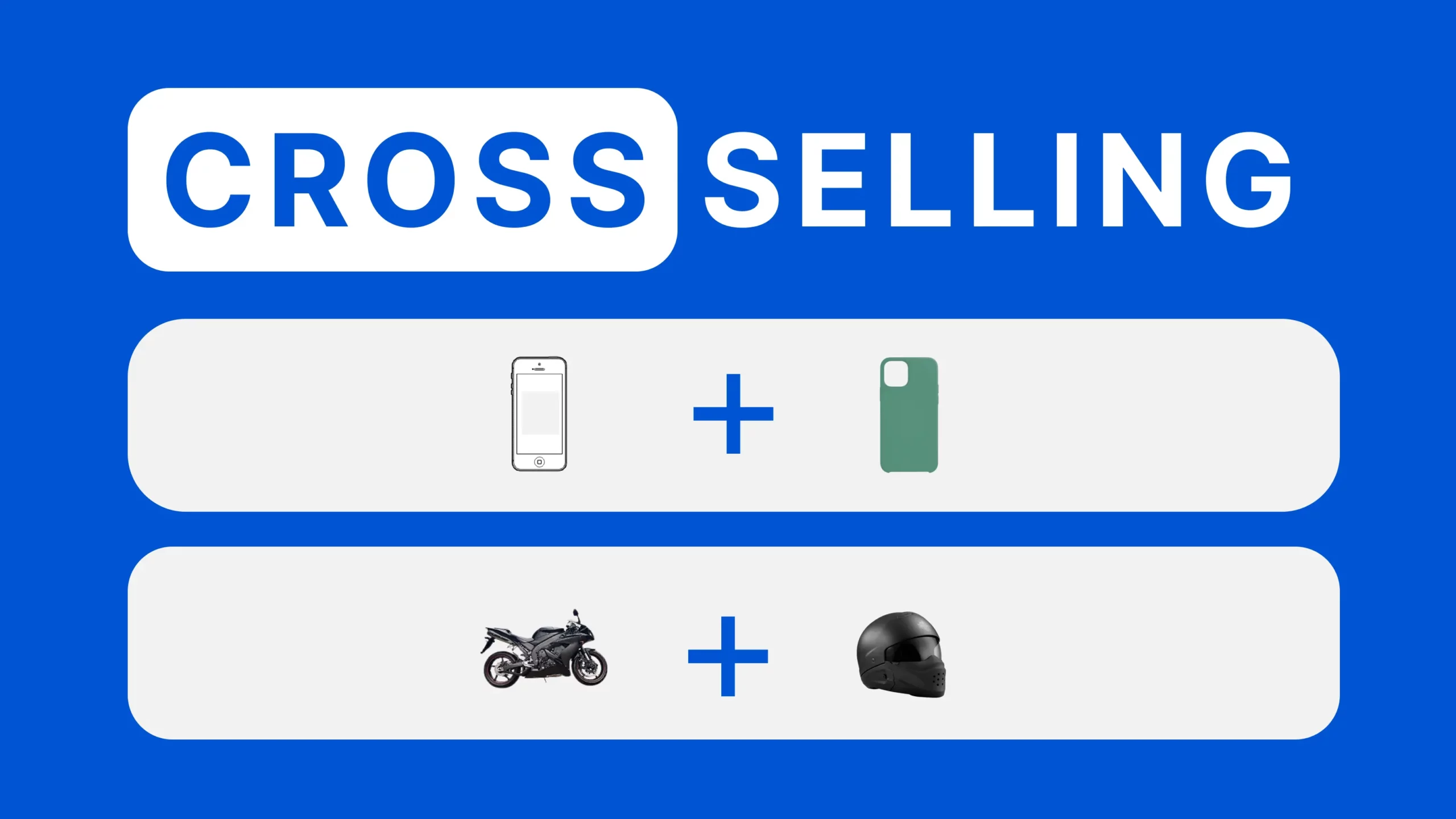
    Cross-selling involves offering different complementary products to your customers. These are products that optimize or improve the original product by adding new functionality. For example, think of a phone case or the insurance they always try to sell to you when you buy an electronic device.

    But it’s not just about offering everything you can think of. The key to this system is to add value to the user to indicate that you really know what they need, as in any other marketing action, there should be both planning and strategy behind cross-selling.

    Cross-Selling Strategies & Techniques

    Like upselling, cross selling strategies are also used at each stage of the marketing funnel, so the strategies can be divided into three stages

    • Before Sale- Product bundling and product recommendations at customer touch points make them look related to each other. E-commerce websites have recommendations and suggestions to increase the chances of cross-sales as the most popular deal’, ‘best offer’, ‘just for you’ etc.
    • During Sale- Recommendation of salesperson and parasitic offers at the point of sale in retail stores and ecommerce websites.
    • After Sale- Personalized emails, SMS and calls to entice customers to choose a related product.

    Difference between Cross-Selling and Upselling

    They are similar, but not identical, these two concepts are generally mixed. However, it is important to clearly distinguish them. Cross-selling, as we have already seen, encourages customers to buy other related products that complement their purchase.

    However, the upselling tries to get the customer to buy a different, more expensive version of the same product. They have different strategies with the same goal to increase the average checkout price. With cross-selling we get that product by adding other products, while we are fussy, we sell more expensive, and therefore more profitable, products.

    Let’s look at this with an example: When the salesman at a car dealership tries to convince customers to buy a model with more additional features, he is using upselling strategy . If, once the customer has purchased the car, he also provides insurance or a roof rack, which is cross-selling, cross-selling: final product + added product. Upselling high-priced final products, in both cases we increase the average checkout price, but in different ways.

    Benefits of Cross-Selling

    The most obvious advantage of cross-selling is that it increases sales volume, but it’s far from just one, let’s take a look at the rest.

    • More sales – this is one of the main reasons and for this reason you are reading this article. But be careful, it’s not an increase in sales, but rather that each customer buys more products with each order.
    • Optimized costs – Managing just one order with multiple products will always be cheaper than placing separate orders with just one product.
    • Greater client loyalty – Keeping in mind the needs of the user will make him feel more satisfied, because you are adding more value. This will result in greater loyalty to your brand.
    • Selling “unknown” products – This is the right position to show all the products you have, but it may be less popular.

  • What is Email Marketing and How Does it Work

    What is Email Marketing and How Does it Work

    In this article, you’ll learn What is Email Marketing, How Does it Work, types of email marketing and more.

    What is Email Marketing

    Email marketing is the act of sending out a commercial message, typically to a group of people, making use of e-mail. In its widest sense, every email sent out to a possible or present consumer could be thought about e-mail marketing.

    It typically involves utilizing email to send advertisements, requests business, or obtain sales or contributions, as well as is suggested to develop loyalty, depend on, or brand recognition.

    • Boost brand name recognition
      Have your brand name before your audience more often by including your logo, tagline, shade combination, as well as brand graphics in the layout of your e-mail communications. Seeing your brand name components in every concern will develop brand recognition even if they see it for a second.
    • Get in touch with your target market
      Email advertising aids you stay in touch with your target market regularly. This ensures that when your services, products, or programs are needed, they will purchase from you or refer their good friends, household, peers, and also contacts to you.
    • Build your integrity
      Regular and high-quality e-mail marketing that matters, relevant and packed with worth will certainly help you gain and also expand your target consumers making it much easier for you to advertise and also offer your products and services.
    • Enlighten your existing customers
      Your e-mail newsletter is an excellent place to maintain your clients with recent information about your company. By sharing what you’re working with and also what’s going on, you can likewise keep them informed of the items, solutions, and also programs
    • Bring in brand-new possibilities
      Posting an e-mail e-newsletter can aid you to create new possibilities such as strategic partnerships, joint ventures, media interviews, talking interactions, and a lot more.

    How email marketing works step by step?

    1.Set a goal.
    2.Choose an email marketing service.
    3.Build an email list.
    4.Segment your email list.
    5.Create a campaign, and build your email.
    6.Use autoresponders.
    7.Enable tracking and analytics.

    Is email marketing Easy?

    Email marketing is not a complicated process but it’s a process that requires a lot of A/B testing to find out how to best communicate with your subscribers in a way that is beneficial for them and for your business goals. Here is an overview of how email marketing works: Sign up for an email marketing tool.

    What is email marketing in SEO?

    And like SEO, email marketing is a powerful tool that helps you connect with existing customers. Through product announcements, promotions, limited-time offers, and routine communications, you can reach intended audiences effectively, generate broad customer interest, and bolster your customer service.

    What are the four types of email marketing?

    Email marketing is essential for businesses to promote, build relationships, and drive customer action. This blog demystifies four types of email marketing: transactional, promotional, newsletters, and retention, each serving a unique purpose.