
Tag: marketing

  • The Marketing Mix: Achieving Success with the 4Ps

    The Marketing Mix: Achieving Success with the 4Ps

    In this article, we’ll learn about The marketing mix, also known as the 4Ps of marketing, is a framework for developing and executing marketing strategies.

    In the world of business, there are many factors that contribute to success. One of the most important is marketing. Marketing is the process of creating, communicating, delivering, and exchanging offerings that have value for customers, clients, partners, and society at large.

    One of the most important concepts in marketing is the marketing mix. The marketing mix is a set of controllable variables that a company uses to influence the customer’s perception of its products or services. These variables are often grouped into four key components, often referred to as the “Four Ps of Marketing.”

    4Ps of Marketing

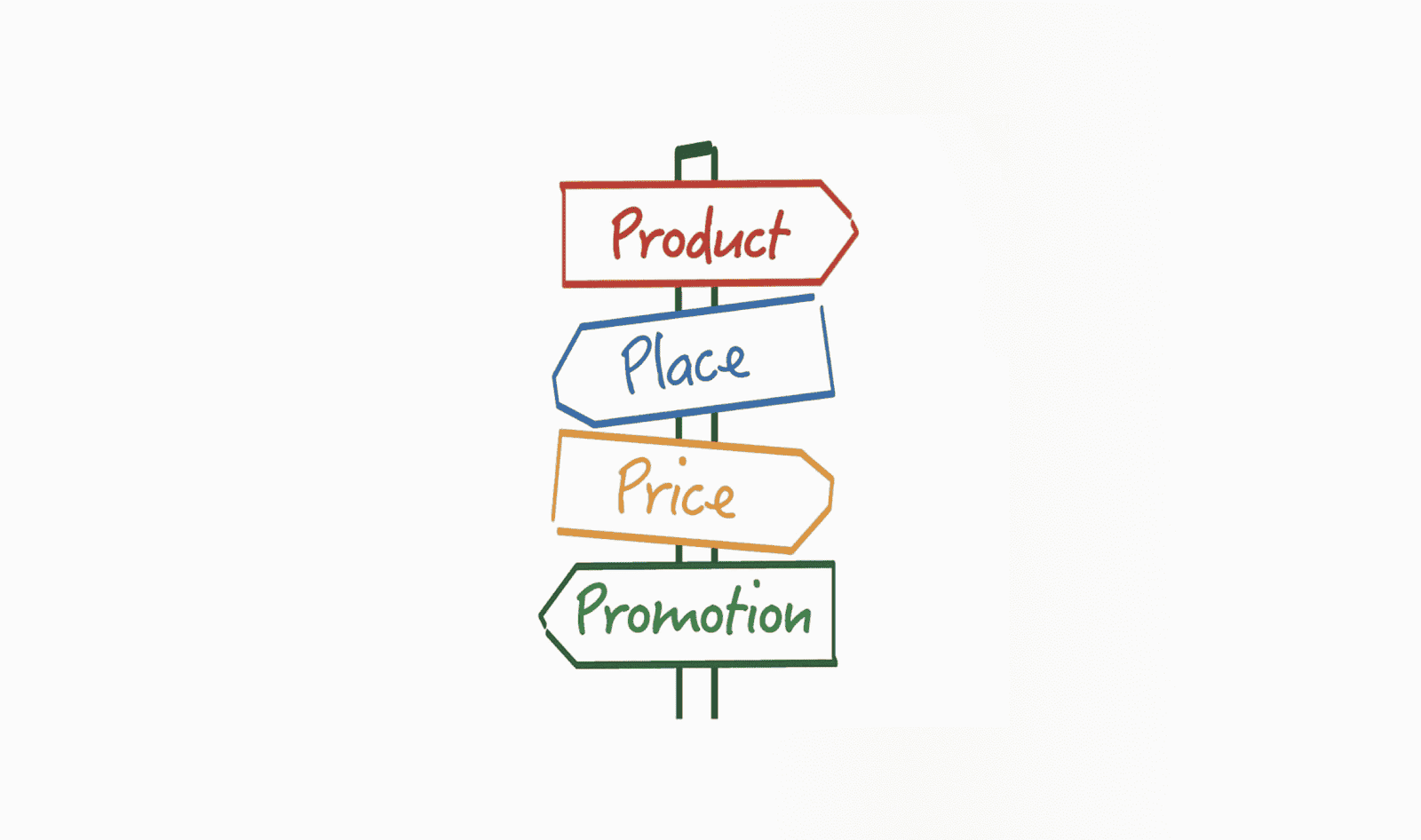
    The four Ps of marketing are:

    1. Product: The product is the physical good or service that the company offers to its customers. It is important to choose a product that meets the needs and wants of the target market.
    2. Price: The price is the amount that the company charges for its products or services. It is important to set a price that is competitive and that reflects the value of the product or service.
    3. Place: The place is where the company’s products or services are offered to its customers. It is important to choose a place that is convenient for the target market and that is consistent with the brand image.
    4. Promotion: Promotion is the way that the company communicates its products or services to its customers. It is important to use a variety of promotional channels to reach the target market.

    Using the Marketing Mix to Achieve Success

    The marketing mix can be used to achieve a variety of marketing goals, such as:

    • Increasing brand awareness: The marketing mix can be used to create awareness of a company’s brand and its products or services.
    • Generating leads: The marketing mix can be used to generate leads, which are potential customers who have expressed interest in a company’s products or services.
    • Increasing sales: The marketing mix can be used to increase sales by convincing potential customers to buy a company’s products or services.
    • Building customer loyalty: The marketing mix can be used to build customer loyalty by providing customers with excellent customer service and creating a positive customer experience.

    Conclusion

    The marketing mix is a powerful tool that can be used to achieve success in business. By using the marketing mix effectively, companies can create a strong brand, generate leads, increase sales, and build customer loyalty.

    In addition to the four Ps, there are also other important factors to consider when developing a marketing mix. These factors include the target market, the competitive landscape, and the company’s resources.

    By carefully considering all of these factors, companies can develop a marketing mix that is tailored to their specific needs and that will help them achieve their marketing goals.

    I would also like to add that the marketing mix is not a static concept. It should be constantly reviewed and updated to reflect the changing needs of the market and the competitive landscape.
  • Types of Marketing

    Types of Marketing

    In this article, we’ll learn about different types of marketing, Marketing, a multifaceted discipline, encompasses a wide spectrum of approaches tailored to connect with diverse audiences and achieve specific goals. Let’s explore the distinct types of marketing that businesses and organizations employ to effectively engage their target markets.

    1. Consumer Marketing: Reaching Individual Consumers

    Consumer marketing, perhaps the most recognizable form, involves promoting products and services directly to individual consumers. Its primary objective is to create brand awareness, stimulate demand, and drive sales. This type of marketing frequently utilizes strategies such as advertising, promotions, and public relations to influence individual purchasing decisions.

    2. Business-to-Business (B2B) Marketing: Fostering Business Partnerships

    In contrast to consumer marketing, B2B marketing focuses on promoting products and services to other businesses. It involves crafting value propositions that align with the operational or manufacturing needs of other enterprises. Building strong relationships, showcasing the benefits of collaboration, and highlighting the efficiency of products or services are key elements of B2B marketing.

    3. Industrial Marketing: Addressing Specialized Needs

    Industrial marketing represents a specialized form of B2B marketing that targets industrial users, including manufacturers and distributors. It often entails promoting complex and specialized products or services tailored to the unique requirements of industrial clients. Establishing trust and emphasizing the functionality and efficiency of industrial solutions are crucial components of industrial marketing.

    4. Non-Profit Marketing: Advancing Social Causes

    Non-profit marketing revolves around promoting the mission, services, and fundraising efforts of non-profit organizations. While profit generation may not be the ultimate goal, the principles of marketing are applied to attract donors, volunteers, and supporters. Storytelling and emphasizing the social impact of the organization play a pivotal role in non-profit marketing.

    5. Digital Marketing: Embracing the Online Landscape

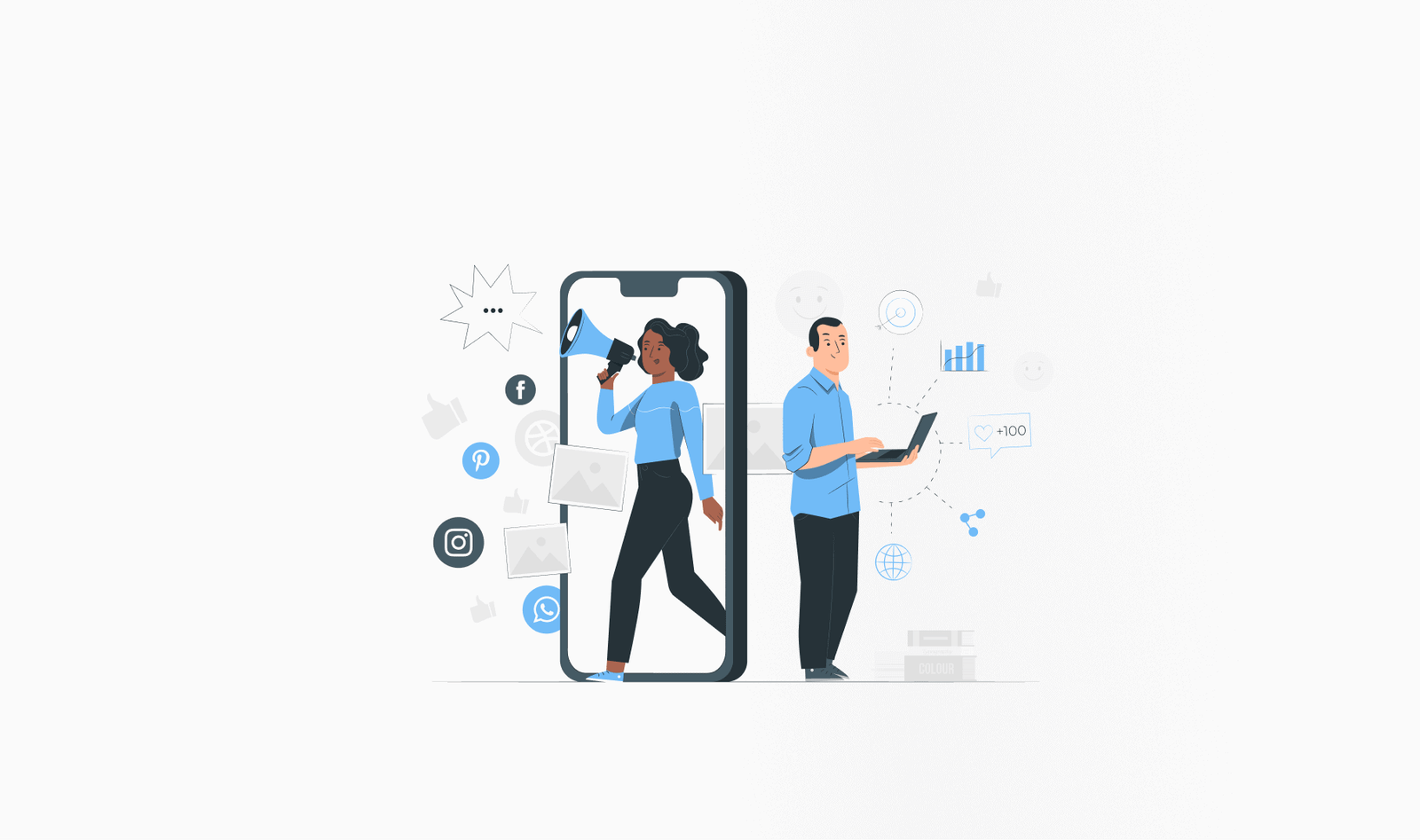
    In the digital era, businesses leverage various online channels to connect with their target audience. Digital marketing encompasses a diverse array of tactics, including website optimization, social media marketing, email campaigns, and search engine optimization (SEO). This type of marketing enables precise targeting, real-time analytics, and interactive engagement with the audience.

    6. Global Marketing: Bridging Cultural Divides

    As businesses expand beyond local borders, global marketing becomes essential. It involves tailoring strategies to reach and resonate with customers across different cultures and regions. Understanding cultural nuances, adapting messaging, and addressing diverse market needs are critical aspects of successful global marketing campaigns.

    Conclusion

    The world of marketing is dynamic and ever-evolving, offering a diverse range of strategies to suit the unique objectives of businesses. Whether targeting individual consumers, collaborating with other businesses, or making a positive social impact, the key lies in understanding the specific context and needs of the target audience. By embracing these various types of marketing, businesses can navigate the intricate landscape of consumer behavior and market dynamics, ultimately driving success in their respective domains.

  • What is Cross-Selling? Benefits and Why big business use it

    What is Cross-Selling? Benefits and Why big business use it

    Cross-selling is a sales strategy where the seller encourages the customer to spend more by recommending related products that are already being purchased. The idea is that the customer spend more and buy him more things than he thought he would actually do.

    What is Cross Selling?

    Cross-selling is a strategy that capitalizes on the “just in case” mindset of customers. It is an art of enhancing the shopping experience of customers, while focusing on getting the most out of them. Many retailers and ecommerce stores rely heavily on cross selling because Cross-selling is a sales technique used to make the customer spend more to buy a product that is already related to being purchased. It’s easy to confuse cross-selling with upside. Cross-selling involves offering the customer a related product or service, while generally turmoil involves trading up to a better version of what is being purchased.

    Amazon has reportedly credited 35 percent of its sales as making sales through its “customers who bought this product” and the “often purchased together” option on each product page. This approach prompts a retailer to purchase a compatible – or necessary – product.

    Examples of Cross Selling

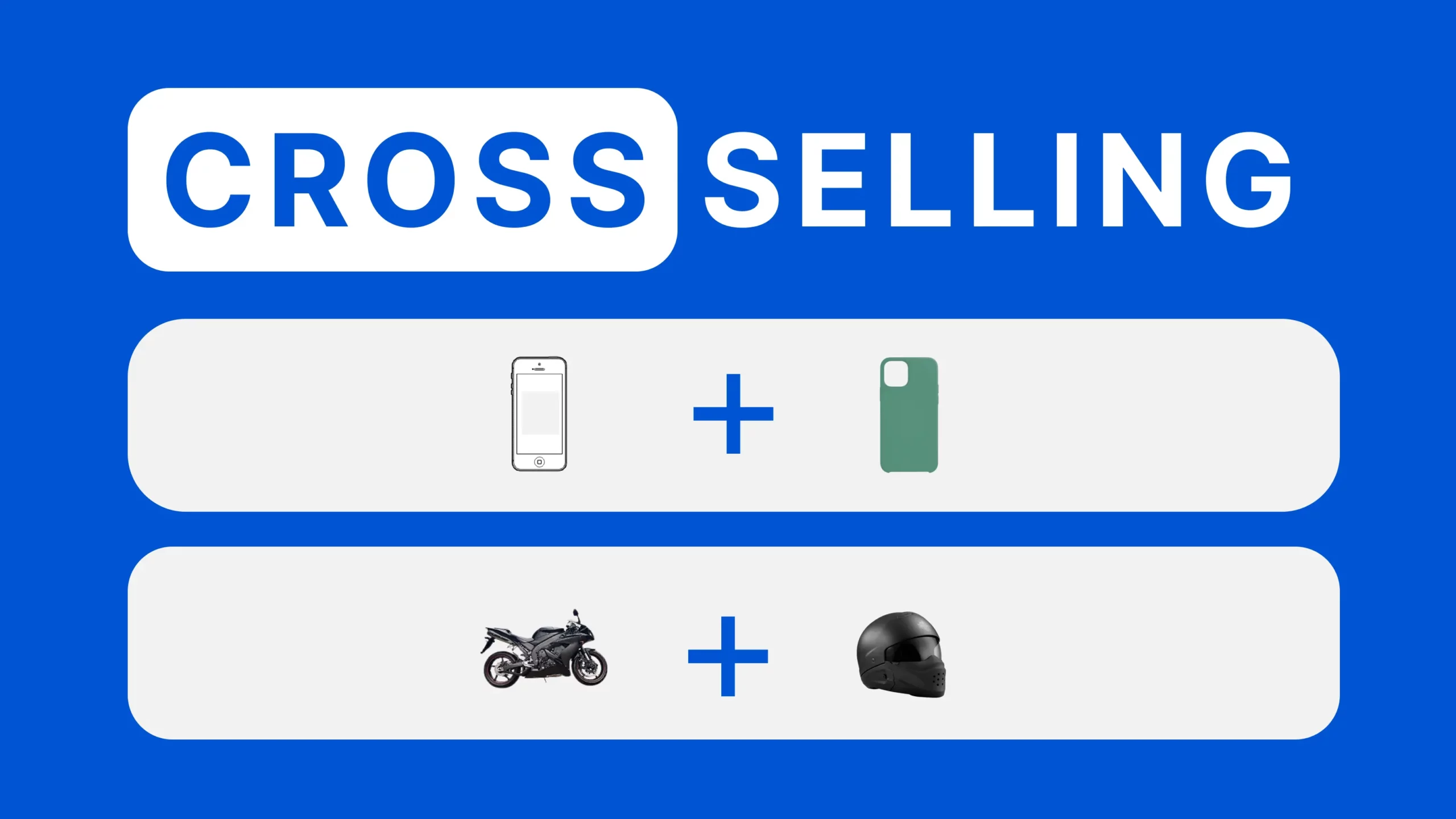
    Cross-selling involves offering different complementary products to your customers. These are products that optimize or improve the original product by adding new functionality. For example, think of a phone case or the insurance they always try to sell to you when you buy an electronic device.

    But it’s not just about offering everything you can think of. The key to this system is to add value to the user to indicate that you really know what they need, as in any other marketing action, there should be both planning and strategy behind cross-selling.

    Cross-Selling Strategies & Techniques

    Like upselling, cross selling strategies are also used at each stage of the marketing funnel, so the strategies can be divided into three stages

    • Before Sale- Product bundling and product recommendations at customer touch points make them look related to each other. E-commerce websites have recommendations and suggestions to increase the chances of cross-sales as the most popular deal’, ‘best offer’, ‘just for you’ etc.
    • During Sale- Recommendation of salesperson and parasitic offers at the point of sale in retail stores and ecommerce websites.
    • After Sale- Personalized emails, SMS and calls to entice customers to choose a related product.

    Difference between Cross-Selling and Upselling

    They are similar, but not identical, these two concepts are generally mixed. However, it is important to clearly distinguish them. Cross-selling, as we have already seen, encourages customers to buy other related products that complement their purchase.

    However, the upselling tries to get the customer to buy a different, more expensive version of the same product. They have different strategies with the same goal to increase the average checkout price. With cross-selling we get that product by adding other products, while we are fussy, we sell more expensive, and therefore more profitable, products.

    Let’s look at this with an example: When the salesman at a car dealership tries to convince customers to buy a model with more additional features, he is using upselling strategy . If, once the customer has purchased the car, he also provides insurance or a roof rack, which is cross-selling, cross-selling: final product + added product. Upselling high-priced final products, in both cases we increase the average checkout price, but in different ways.

    Benefits of Cross-Selling

    The most obvious advantage of cross-selling is that it increases sales volume, but it’s far from just one, let’s take a look at the rest.

    • More sales – this is one of the main reasons and for this reason you are reading this article. But be careful, it’s not an increase in sales, but rather that each customer buys more products with each order.
    • Optimized costs – Managing just one order with multiple products will always be cheaper than placing separate orders with just one product.
    • Greater client loyalty – Keeping in mind the needs of the user will make him feel more satisfied, because you are adding more value. This will result in greater loyalty to your brand.
    • Selling “unknown” products – This is the right position to show all the products you have, but it may be less popular.