Author: Anup Maurya

  • From Trash to Treasure: The ReFit Global Story on Shark Tank India

    From Trash to Treasure: The ReFit Global Story on Shark Tank India

    In the electrifying arena of Shark Tank India, amidst innovative ideas and fierce negotiations, one brand stood out for its eco-conscious approach and potential to disrupt the consumer electronics market: ReFit Global. But the journey of ReFit wasn’t just about securing funding; it was a testament to the vision of its founders and their commitment to giving discarded gadgets a second life. Let’s delve into the inspiring story of ReFit, from its humble beginnings to its recent success on the popular reality show.

    The Birth of an Idea

    The year was 2017, and two young entrepreneurs, Saket Saurav and Avneet Singh, were witnessing the ever-growing mountain of electronic waste (e-waste) in India. This alarming observation sparked a question: could these seemingly unusable devices be given a new lease on life? Driven by this vision, they embarked on a mission to create a sustainable business model around refurbished electronics, thus contributing to a greener future.

    From Passion to Prototype

    Starting with a small initial investment, Saket and Avneet began by sourcing pre-owned smartphones from various channels. They meticulously developed a multi-stage quality control process, ensuring each device underwent rigorous testing and refurbishment before being offered for sale. Their commitment to quality and affordability was evident in their competitive pricing, often 30-40% lower than brand new models.

    Building a Brand and Facing Challenges

    The initial days were filled with challenges. Building trust in a market accustomed to brand new devices was an uphill battle. But Saket and Avneet persevered, focusing on transparency and building a strong online presence. They leveraged social media platforms to showcase their work, educate consumers about the benefits of refurbished devices, and build a loyal customer base.

    Shark Tank India: A Turning Point

    In 2023, ReFit Global stepped onto the stage of Shark Tank India, ready to pitch their vision to the country’s leading investors. Their passion, coupled with their impressive growth trajectory (a 100x year-on-year increase!), resonated with the Sharks. Despite their initial ask of 2 crores for 0.5% equity and a valuation of 400 crores, negotiations led to a final deal of 2 crores in exchange for 1% equity and mentorship from three Sharks: Anupam Mittal, Vineeta Singh, and Amit Jain.

    Beyond the Investment

    ReFit’s success extends beyond the financial realm. They have diverted over 1 million phones from landfills, reducing e-waste and promoting responsible consumption. Their commitment to sustainability extends to their packaging, using recycled materials and minimizing waste. Additionally, they empower local communities by employing skilled technicians in their refurbishment centers.

    The Future of ReFit

    With the newfound support and resources, ReFit is poised for further expansion. Their aim is to become a household name for refurbished electronics, offering a wider range of devices and strengthening their presence across India. They also plan to invest in technology and automation to streamline operations and maintain their commitment to affordability and quality.

    More Than Just a Business

    ReFit’s journey is an inspiration to aspiring entrepreneurs and anyone passionate about making a positive impact. It demonstrates the power of starting small, believing in your vision, and never giving up on your dreams. In a world obsessed with the new, ReFit reminds us that value and potential can be found in the pre-loved and the recycled. They are not just selling refurbished phones; they are offering second chances, for technology and for the planet. As they embark on their next chapter, their story continues to inspire, reminding us that even the most ambitious dreams can be achieved with a little bit of grit and a whole lot of heart.

  • Nasher Miles: Making Travel Stylish and Seamless

    Nasher Miles: Making Travel Stylish and Seamless

    In the bustling heart of Mumbai, amidst vibrant markets and ambitious dreams, three friends embarked on a journey that would take them from humble beginnings to the bright lights of Shark Tank India Season 3. Abhishek Daga, Lokesh Daga, and Shruti Kedia Daga, the founders of Nasher Miles, had a vision: to revolutionize the luggage industry with stylish, durable, and accessible travel bags. Their story, one of passion, innovation, and a well-timed pitch, is an inspiration for aspiring entrepreneurs everywhere.

    Nasher Miles, a new-age luggage brand, recently took the stage on Shark Tank India, pitching their innovative and stylish travel solutions to the discerning investors. Founded by travel enthusiasts who were tired of the monotonous look of traditional luggage, Nasher Miles aims to inject personality and functionality into every suitcase.

    From Bland to Bold: Redefining Travel with Style

    The idea for Nasher Miles sprouted during the Daga brothers’ frequent business travels. Frustrated with the bland and monotonous options available, they dreamt of suitcases that reflected their personalities and adventurous spirit. Shruti, a marketing specialist, joined the brothers, bringing her expertise in branding and storytelling to the table.

    From Flea Markets to Online Dreams

    The entrepreneurial journey began in the bustling lanes of Mumbai’s Crawford Market. Here, the founders sourced unique fabrics and designs, piecing together their first prototypes. They started by selling their creations at flea markets and local exhibitions, gauging customer reactions and refining their approach. Recognizing the power of online retail, they launched their website and established partnerships with major e-commerce platforms.

    Tech-Savvy and Travel-Ready: More Than Just Looks

    Beyond the stylish exteriors, Nasher Miles incorporates smart features like integrated charging ports and GPS tracking, adding a tech-savvy touch to their products. They also offer a variety of sizes and types of luggage, catering to diverse travel needs, from weekend getaways to globetrotting adventures.

    Building a Brand with Personality

    Nasher Miles stood out from the crowd with its vibrant designs and focus on personalization. Inspired by global destinations, their bags offered a unique blend of style and functionality. Each collection told a story, transporting customers to bustling Parisian streets or the serene beaches of Goa.

    Facing the Sharks

    With a proven concept and growing customer base, the Nasher Miles team set their sights on Shark Tank India, a platform known for launching entrepreneurial dreams. Their energetic pitch, highlighting their unique designs, commitment to quality, and ambitious expansion plans, captivated the Sharks.

    A Deal for the Ages

    The negotiation was intense, with the founders initially requesting 3 Crore for 0.75% equity. After a back-and-forth exchange, the Sharks were impressed by their passion and vision, leading to an unprecedented deal. All five Sharks came together, offering 3 Crore for 1.5% equity, valuing the company at a staggering Rs. 200 Crore.

    Post-Shark Tank Boom

    The Shark Tank appearance propelled Nasher Miles to national fame. Orders surged, collaborations materialized, and the brand expanded its product line. They secured partnerships with Reliance Retail, further solidifying their presence in the Indian market.

    Looking Ahead

    The future for Nasher Miles is bright. They are committed to expanding their international presence, exploring new product categories, and empowering travelers with stylish and sustainable luggage solutions.

    Lessons from the Nasher Miles Story

    • Find your niche: Identify a gap in the market and offer a unique solution that resonates with your target audience.
    • Embrace innovation: Don’t be afraid to experiment with new designs and materials, staying ahead of the curve.
    • Build a strong brand story: Connect with your customers on an emotional level, showcasing the values and experiences embodied by your products.
    • Don’t be afraid to pitch: Platforms like Shark Tank can be launchpads for success, but be prepared and present your proposition with passion and clarity.
    • Learn and adapt: Be open to feedback, adapt to changing market dynamics, and continuously improve your offerings.

    The story of Nasher Miles is a testament to the power of determination, innovation, and a well-timed pitch. Their journey reminds us that with the right combination of passion, hard work, and storytelling, even the most ambitious dreams can become reality. As they continue to navigate the dynamic luggage industry, Nasher Miles serves as an inspiration for aspiring entrepreneurs, proving that a suitcase can be more than just a container for belongings; it can be a canvas for dreams and a gateway to exciting adventures.

  • Nish Hair | Sharks Impressed With Self-Marketing Tactics Of The CEO

    Nish Hair | Sharks Impressed With Self-Marketing Tactics Of The CEO

    Forget the notion of “one size fits all” because it doesn’t, especially in business. Remember “Shark Tank India” Season 2? We saw phenomenal entrepreneurs rock it with just 2-3 skills they mastered.

    Sure, business involves diverse skills, but you don’t need to be a jack-of-all-trades when starting up. Instead, focus on mastering a few natural strengths and “good enough” performance in weaker areas.

    Take Parul Gulati of Nish Hair, a shining example. Her self-marketing mastery impressed everyone on “Shark Tank India.” She demonstrates that focusing on a core strength can lead to fantastic results.

    Nish Hair Extensions

    While the Nish Hair range has grown and expanded into creating all things hair, the heart and soul of the brand remains in the range of premium quality human hair extensions. Each extension is made with 100% human hair, hand-selected, and stitched to perfection. They believe in practicing integrity, honesty, and quality in all that we do, making sure that each process from sourcing to production is done in a clean, safe, and ethical manner. Being passionate about hair and understanding the confidence it can instill, they have meticulously crafted each step to ensure the extensions you get are premium quality, soft, and extremely long-lasting.

    Nish Hair CEO

    From Actress to Hair Extension Powerhouse

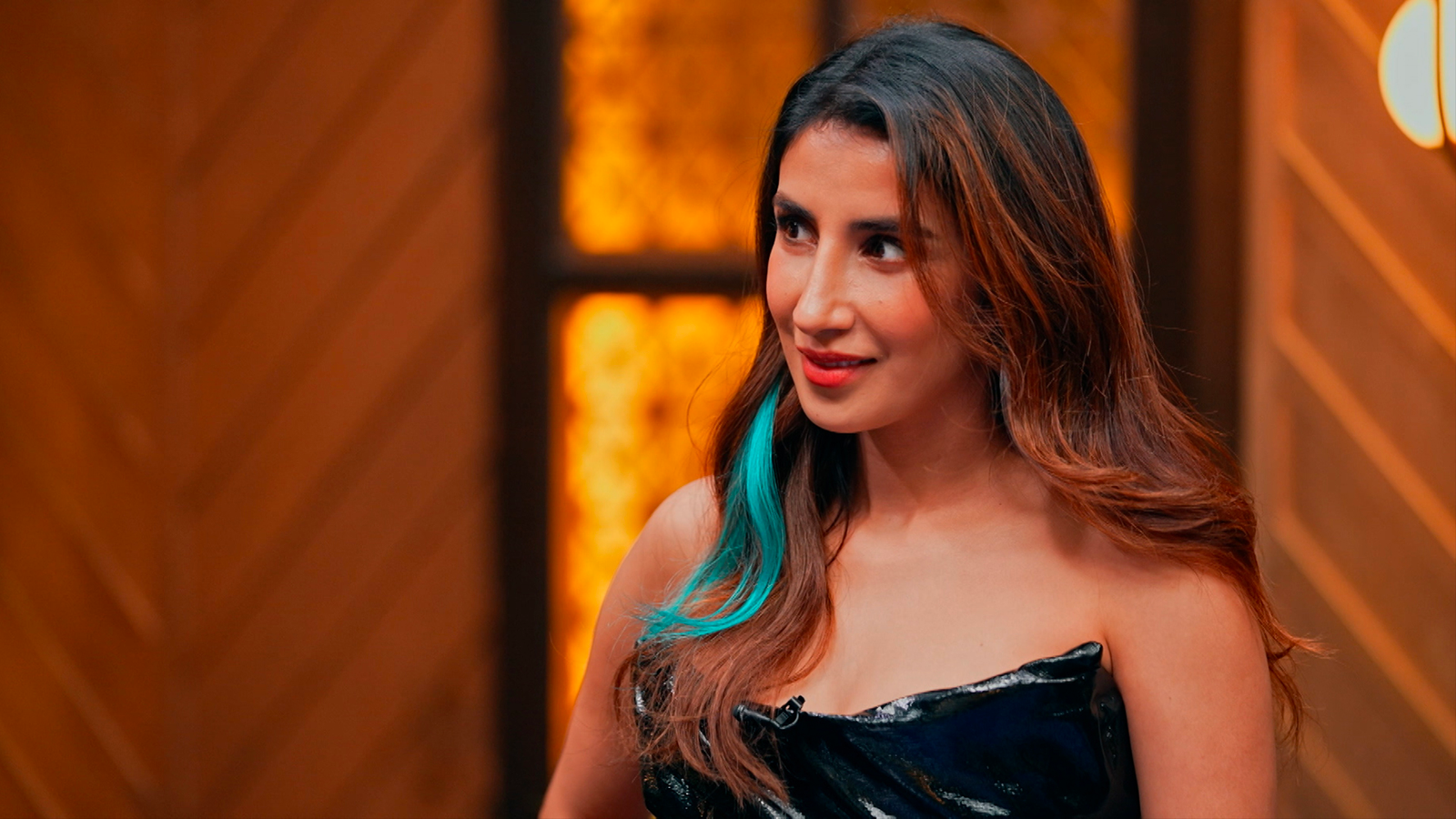
    Parul Gulati, CEO of Nish Hair and hailing from Rohtak, Haryana, began her career in the limelight as an actress. However, a personal experience in 2016 sparked a business idea when she was denied reimbursement for a wig needed for a shoot due to short hair. This frustration ignited a passion to fill the gap for high-quality hair extensions beyond the fashion industry.

    Nish Hair Blooms

    Born from this passion, Nish Hair launched in 2017. Initial performance was slow, but by 2019, things took off. Recognizing the unaddressed need for accessible and versatile extensions, Nish Hair focused on empowering women of all backgrounds with confidence and beauty.

    Pioneering DIY Extensions

    As pioneers in India, Nish Hair introduced DIY clip-in hair toppers and extensions, making them readily available to a wider audience. From a small team and limited clientele, they’ve blossomed into a global community, serving diverse women worldwide.

    More Than Just Hair

    Beyond aesthetics, Nish Hair understands the significant impact hair loss, thinning, or damage can have on self-esteem and well-being. They address these concerns head-on, whether it’s fulfilling the desire for longer locks, supporting hair growth struggles, or simply helping someone feel incredible for a special occasion. Their mission is clear: everyone deserves their dream hair.

    It’s Not Just Hair, It’s Empowerment

    Nish Hair goes beyond appearances. They recognize the connection between hair and self-esteem, relationships, career, and living an active life. Their commitment lies in empowering women to feel confident, beautiful, and ready to take on the world, one gorgeous strand at a time.

    Parul Gulati: Beyond Profits, A Multifaceted Leader

    Parul Gulati, CEO of Nish Hair, isn’t just about profits (clocking ₹5 crores in 2021-2022). She embodies a unique blend of qualities that propelled her success:

    Master of Balance: Juggling acting and entrepreneurship full-time, Parul’s witty response on “Shark Tank India” reflects her dedication to both her passions. This highlights her ability to thrive in multifaceted roles.

    Execution Powerhouse: Despite a small team, she built a thriving business, demonstrating exceptional ability to translate ideas into action and achieve remarkable results.

    Marketing Mavenship: Her self-promotion skills shine. Casually mentioning “Nish.com” during her pitch and utilizing Instagram effectively (245K+ followers, 2 million subscribers) showcase her understanding of “jugadu” marketing. With minimal investment (₹1.3 lakhs), she drives impressive sales (₹75 lakhs monthly). Her educational Instagram videos add immense value, solidifying her social media prowess.

    Vulnerability & Growth: Like everyone, Parul faces challenges. Acknowledging her struggle with hiring demonstrates self-awareness and a willingness to learn and grow. This transparency resonates with audiences.

    Beyond the Hype: While profits are essential, the text can be slightly reframed to focus on Parul’s qualities, leadership, and impact, rather than solely highlighting the financial figure.

    Nish Hair Review

    It is ideal for the woman who has less hair and money too. It is India’s online hair extension brand. Nish Hair has the solution to all types of hair problems and needs be it for receding hairline, or you want a crown topper to compensate for your hair loss problems, or if you are gen z and want to experiment with wild and funky colors. They are a one-stop solution for all hair needs. 

    The clips are easy to apply and can transform your hair in no time at all. They claim that all their hair extensions are made up of natural hair. 

    Depending on their needs customer can choose from various categories that include:

    • Coverage
    • Length 
    • Volume
    • Style
    • Color 

    You can check out their customer reviews here

    Team of The Nish Hair

    Nish Hair isn’t just a brand, it’s a movement rooted in female empowerment. With a 90% female-led team, they champion inclusivity, respect, and hard work. Courage, open-mindedness, and compassion fuel their belief in every woman’s limitless potential.

    What started as a mother-daughter dream, hand-stitching each extension themselves, has blossomed into a vibrant, high-performing family. Their dynamic core team operates from a cozy Mumbai office-cum-manufacturing space, where creativity and hair reign supreme. It’s a hive of activity, driven by passion and a dash of flair.

    Conclusion

    Without a degree in any business course, the founder has managed to build a business that earns profit in crores. Such entrepreneurs are an inspiration for people who want to make it big with limited resources. 

    You don’t need to go to big business schools to learn about entrepreneurship, your full life is there to teach you the lessons that you need to succeed in your life. The trick lies in being open to learning from those lessons rather than resisting them.

    Who is the owner of Nish Hair?

    Parul Gulati is an Indian actress who has appeared in several Punjabi films. She is also a businesswoman and is the CEO and founder of her hair extensions brand ‘Nish Hair’.
  • Cyrus S. Poonawalla: A Pioneer in Healthcare and Vaccine Production

    Cyrus S. Poonawalla: A Pioneer in Healthcare and Vaccine Production

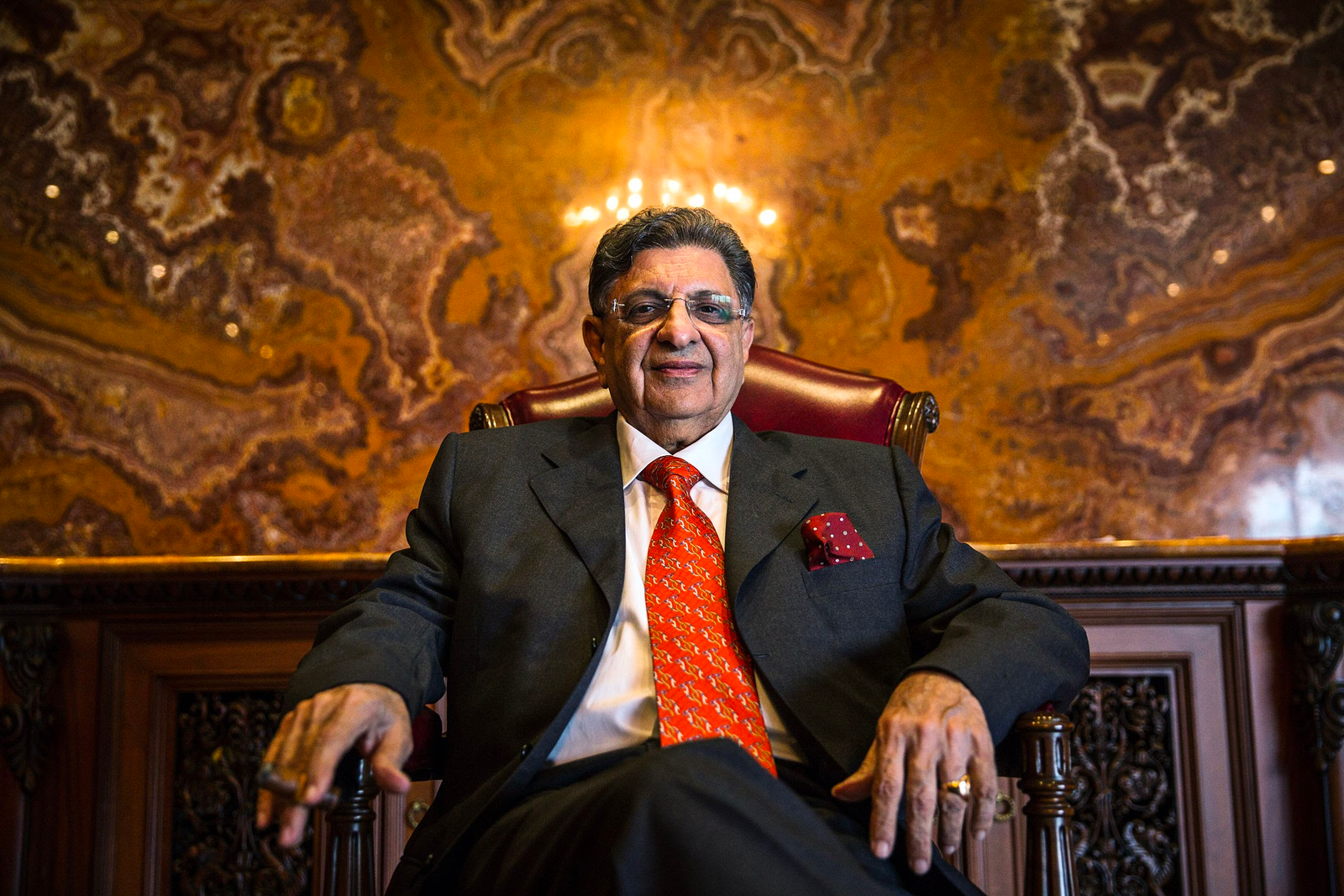
    Cyrus S. Poonawalla, a prominent Indian billionaire businessman, has made significant contributions to the healthcare industry, particularly through the Serum Institute of India. Born in 1941 into a Gujarati Parsi family, Poonawalla’s journey is marked by entrepreneurship, innovation, and a commitment to public health.

    Early Life and Career

    Cyrus Poonawalla’s early life was influenced by his father, Soli Poonawala, a renowned horse breeder. In 1966, Poonawalla founded the Serum Institute of India, a biotech company that has grown to become the world’s largest vaccine manufacturer by doses. The institute produces over 1.5 billion doses annually, playing a crucial role in global immunization efforts against diseases such as measles, polio, and influenza.

    Professional Achievements

    Poonawalla’s impact on the healthcare sector is reflected in his numerous accolades:

    1. Forbes India Rich List: In 2022, Cyrus S. Poonawalla was ranked as the 4th richest person in India, with a staggering net worth of $24.3 billion.
    2. Serum Institute Leadership: As the Chairman and Managing Director of the Cyrus Poonawalla Group, he oversees the Serum Institute of India, contributing significantly to its growth and success.
    3. Global Recognition: Poonawalla holds the top position on the Hurun Global Healthcare Rich List for 2022, underscoring his influence and impact on global healthcare.

    Personal Life

    Despite his busy professional life, Cyrus S. Poonawalla values family. He was married to Villoo Poonawalla until her passing in 2010. Their son, Adar Poonawalla, is the current CEO of the Serum Institute of India. Poonawalla is also a proud grandfather to two grandchildren.

    Awards and Recognitions

    Cyrus S. Poonawalla’s contributions have been acknowledged through various awards and honors, including:

    1. Padma Shri (2005): Recognized by the Government of India for his outstanding contribution to the field of medicine.
    2. Ernst & Young Entrepreneurial Awards: Awarded in 2007 and 2015 in the Healthcare & Life Sciences category, highlighting his entrepreneurial prowess.
    3. Honorary Doctorates: Conferred by the University of Massachusetts Medical School in 2018 and the University of Oxford in 2019, recognizing his impact on healthcare globally.
    4. ICMR Lifetime Achievement Medal (2019): Presented by Bill Gates for Poonawalla’s substantial contributions to healthcare.
    5. Lokmanya Tilak National Award (2021): Acknowledged for his exceptional service and commitment to society.
    6. Dean’s Medal (2022): Received from the Johns Hopkins Bloomberg School of Public Health, highlighting his dedication to public health.
    7. Padma Bhushan (2022): Conferred by the Government of India for his exceptional role in vaccine production during the COVID-19 pandemic.

    Conclusion

    Cyrus S. Poonawalla’s life and career exemplify a relentless pursuit of excellence in healthcare and vaccine production. As a visionary leader, he continues to shape the global health landscape, leaving an indelible mark on the industry and positively impacting millions of lives worldwide.

  • Happy Independence Day 2024: Top 50 Wishes, Messages, Quotes and Images to share with your loved ones

    Happy Independence Day 2024: Top 50 Wishes, Messages, Quotes and Images to share with your loved ones

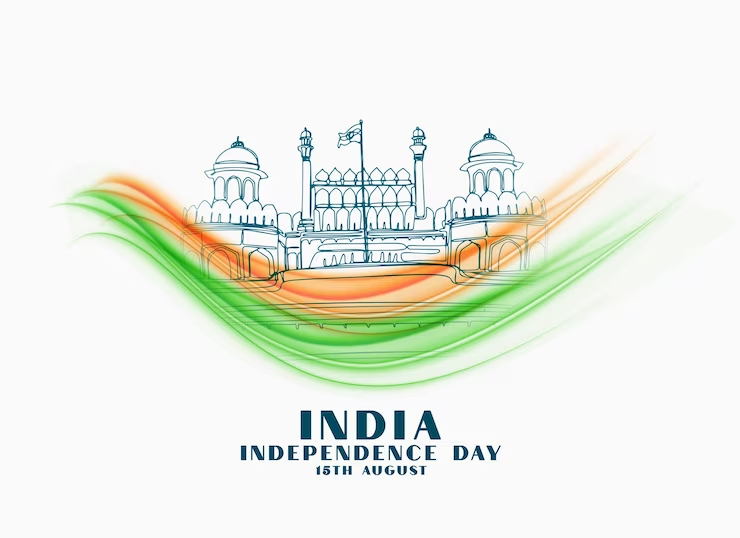
    As the sun rises on August 15, 2024, India stands united in celebrating its 78th Independence Day. This day marks the triumph of freedom, the culmination of sacrifices, and the spirit of unity that continues to define the nation.

    Independence Day is a time of reflection, celebration, and unity as we commemorate the freedom and sovereignty of our nation. As we step into another year of independence, it’s essential to share our joy with friends and family. To make this day even more special, we’ve compiled a list of the top 50 wishes, messages, and quotes that you can share with your loved ones, spreading the joy and pride that Independence Day brings.

    Wishes for Independence Day

    1. Wishing you a joyful Independence Day filled with pride, freedom, and happiness!
    2. May the colors of our flag always remind us of the sacrifices made for our freedom. Happy Independence Day!
    3. As we celebrate this day, let’s remember and honor the brave souls who fought for our freedom.
    4. Happy Independence Day! Let’s cherish the liberty and opportunities our nation provides us.
    5. May our country always flourish and stand as a symbol of unity and progress. Happy Independence Day!
    6. May the tricolor always fly high, symbolizing the freedom we cherish. Happy Independence Day!
    7. Let’s celebrate the power of unity that led us to freedom. Happy 15th August!
    8. Today, we remember the heroes who gave their all for our tomorrow. Happy Independence Day.
    9. On this day, let’s renew our commitment to a stronger, brighter India. Happy Independence Day!
    10. Wishing you a day filled with the colors of freedom and the fragrance of unity. Happy 77th Independence Day!
    11. As we remember the past, let’s shape a better future for our nation. Happy Independence Day!
    12. May the spirit of freedom inspire us to achieve new heights. Happy 15th August!
    13. Celebrating the journey of India towards progress and prosperity. Happy Independence Day!

    Messages to Share

    1. On this Independence Day, let’s take a moment to appreciate the freedom we enjoy and strive to preserve it for generations to come.
    2. As we witness the flag unfurl, let’s renew our commitment to building a stronger and more inclusive nation.
    3. May the spirit of patriotism inspire us to contribute to the betterment of our country. Happy Independence Day!
    4. Today, we celebrate not just freedom, but the collective strength of our diverse cultures that make our nation truly unique.
    5. Happy Independence Day! Let’s celebrate the victories of the past and the possibilities of the future.

    Quotes to Inspire

    1. “Freedom is not worth having if it does not include the freedom to make mistakes.” – Mahatma Gandhi
    2. “In the truest sense, freedom cannot be bestowed; it must be achieved.” – Franklin D. Roosevelt
    3. “The greatest glory of a free-born people is to transmit that freedom to their children.” – William Havard
    4. “Those who deny freedom to others deserve it not for themselves.” – Abraham Lincoln
    5. “Let us be clear: equal rights for all, special privileges for none.” – Ronald Reagan
    6. “Long years ago, we made a tryst with destiny, and now the time comes when we shall redeem our pledge.” – Jawaharlal Nehru
    7. “The future depends on what you do today.” – Mahatma Gandhi
    8. “Let us sacrifice our today so that our children can have a better tomorrow.” – A.P.J. Abdul Kalam

    More Independence Day Wishes

    1. May the spirit of freedom fill your heart and inspire your actions. Happy Independence Day!
    2. This Independence Day, let’s come together to celebrate the diversity that makes our nation strong.
    3. Wishing you a day filled with fireworks, festivities, and the pride of being part of this great nation.
    4. On this special day, let’s remember that unity is our strength. Happy Independence Day!
    5. As the sun rises on another Independence Day, let’s renew our commitment to a united and prosperous nation.

    Meaningful Messages

    1. May the flag wave high and our hearts beat with gratitude for the liberty we cherish.
    2. Let’s celebrate the freedom to dream, to achieve, and to make our nation proud. Happy Independence Day!
    3. Our freedom is a reminder that we can overcome any challenge when we stand united.
    4. Just as our flag unfurls, let our potential as a nation also unfurl to achieve greater heights.
    5. Happy Independence Day! May the ideals of freedom and justice always guide our nation.

    Inspirational Quotes

    1. “Freedom is the open window through which pours the sunlight of the human spirit and human dignity.” – Herbert Hoover
    2. “Liberty is the breath of life to nations.” – George Bernard Shaw
    3. “Freedom is never dear at any price. It is the breath of life.” – Bal Gangadhar Tilak
    4. “Freedom is nothing but a chance to be better.” – Albert Camus
    5. “Independence is happiness.” – Susan B. Anthony

    For Social Media Captions

    1. 🇮🇳 Proud to be Indian. Happy Independence Day!
    2. 🌟 Celebrating freedom, unity, and progress. Happy 15th August!
    3. 🎉 Let’s paint the world with the colors of independence. #HappyIndependenceDay
    4. 🙌 Saluting the heroes who shaped our destiny. Happy Independence Day!
    5. 🤝 United we stand, celebrating 77 years of freedom. #IndependenceDay2024
    6. 🎆 Let’s light up the sky with the spirit of patriotism. Happy Independence Day!
    7. 📜 Rewriting history with every step towards progress. Happy 15th August!
    8. 🌈 Embracing diversity, celebrating unity. Happy Independence Day!
    9. 💪 Striving for a better tomorrow, fueled by the dreams of freedom fighters. #HappyIndependenceDay
    10. 🗽 Freedom is our legacy; progress is our journey. Happy Independence Day!

    Final Thoughts

    As Independence Day 2024 dawns upon us, let’s take a moment to reflect on the progress we’ve made as a nation and the challenges that lie ahead. It’s a day to celebrate not only our freedom but also the spirit of unity and resilience that defines us as a people. Whether you’re sending wishes, messages, or sharing quotes, remember that your words can inspire, unite, and ignite the patriotic flame in the hearts of your loved ones. Happy Independence Day!

  • Peyush Bansal : Biography, Success, Inspiration

    Peyush Bansal : Biography, Success, Inspiration

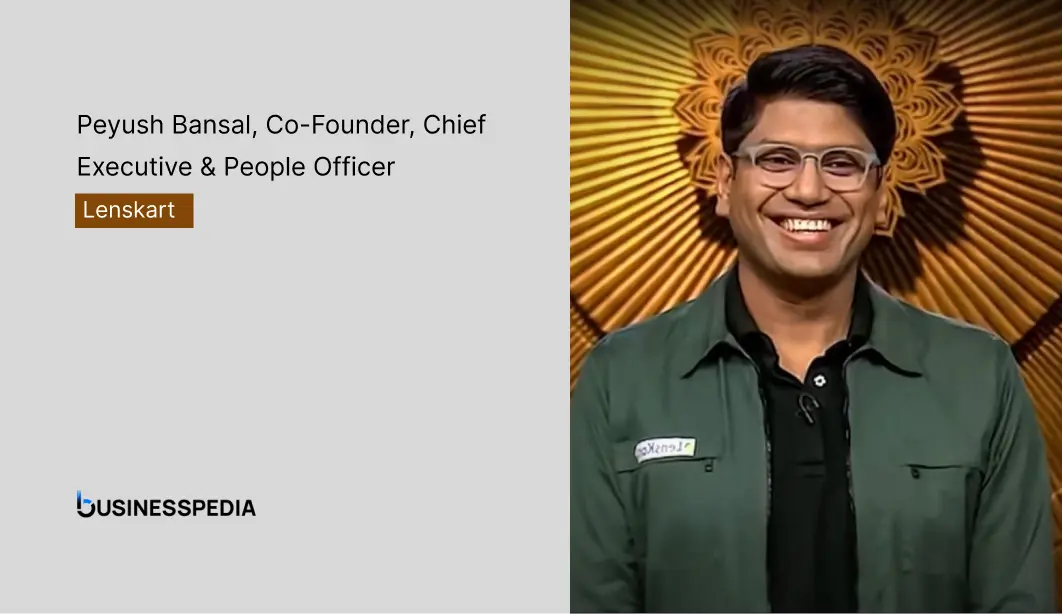
    Peyush Bansal is the owner and CEO of Lenskart company, which is one of the best e-commerce portals for eyewear in India. He is also a judge on the famous television show Indian shark tank.

    NamePeyush Bansal
    Date Of Birth26, April 1985
    ProfessionEntrepreneur, Businessman
    Home TownNew Delhi
    Birth PlaceNew Delhi
    EducationPost-Graduate In McGill University And Indian Institute Of Management
    Net Worth$80 Million Dollars Approx
    NationalityIndian
    SchoolDBS Don Bosco School

    Peyush Bansal was born in a Hindu family on 26 April 1985 in New Delhi, India. he is a very decent person. Peyush Bansal’s family has always supported him a lot.

    Piyush Bansal’s father is a chartered accountant and Peyush Bansal mother’s name is Kiran Bansal who is a Happy housewife. Peyush bansal is married. Peyush bansal’s wife’s name is Nimisha Bansal and both of them also have a son. Peyush Bansal also has an elder brother.

    Education

    Peyush Bansal has completed his schooling at Don Bosco School, Delhi. After this, Bansal went to Canada. He earned a bachelor’s degree in electrical engineering from McGill University in Canada. After that, He came back to India and got his Post-Graduate Degree from the Indian Institute of Management Bangalore.

    Career And Life Story

    After completing his studies, Peyush Bansal first started the job of Program Manager in Microsoft in America in 2007. After that, he returned to India and started working on some new ideas. He started many Startups but did not get much success. Peyush Bansal had also created a website called searchmycampus.com for students, in which students could see everything from hostels to titles and part-time jobs.

    In the year 2010, Peyush Bansal along with Amit Choudhary and Sumeet Kapahi launched an online portal named Lenskart. Initially, he started selling lenses through this online portal and later on selling eyewear and sunglasses as well. initially, Peyush bansal and his associates used to sell eyewear online through web and app only.

    Lenskart Rise

    But gradually he also started the franchise of Lenskart to increase his business. Presently there are Lenskart stores in many states of India. His company today also provides the facility of many Checkups. and today it has become the top 1 eyewear online portal in India. More than 5000 people work in Lenskart. Today, It has more than 600 stores across India.

    Net-Worth of Peyush Bansal as of 2022

    lenskart owner and ceo peyush bansal have a net worth of around $80 million dollars as of 2022. The main source of his income is the earnings from his company lenskart, due to which he is a successful person today.

  • Sunil Bharti Mittal: Biography, Success, Inspiration

    Sunil Bharti Mittal: Biography, Success, Inspiration

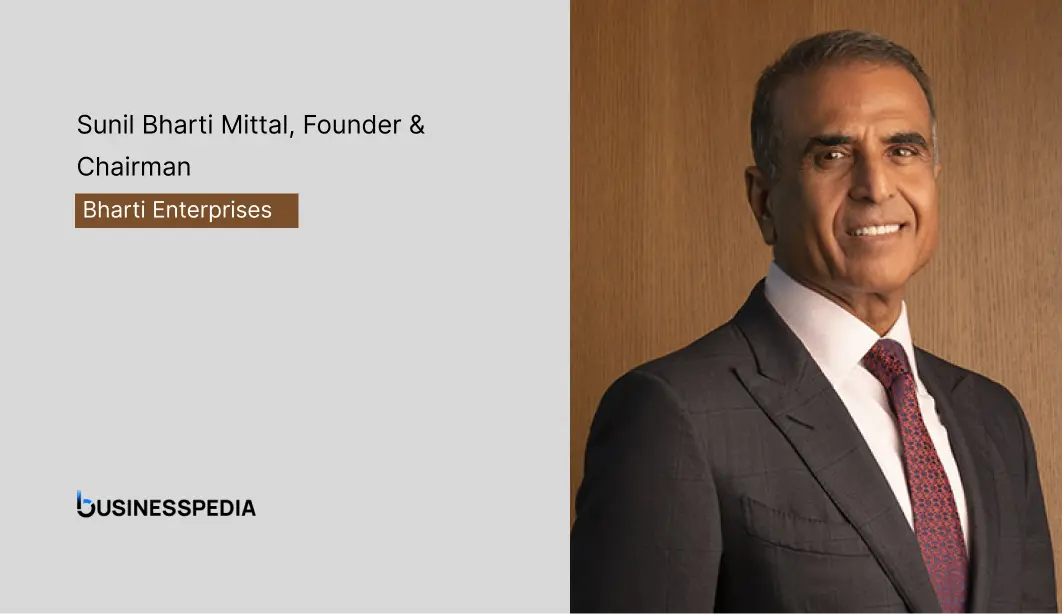
    Many industrialists in India want to develop the country, and are doing it too. Like Rata Tata, the chairman of Tata Motors, or Mikesh Ambani, the owner of Reliance Industries. One of them is Indian industrialist “Sunil Mittal”, who is the owner of the Indian telecom company Airtel. Sunil has achieved this position due to his hard work and sincere dedication.

    Sunil Bharti Mittal better known as Sunil Mittal, is an Indian entrepreneur and businessman, born in 1957 in Ludhiana district of Punjab. It is the owner and chairman of Airtel, India’s second and world’s third largest telecom company. He is named among the best telecom entrepreneurs in the world.

    Sunil Mittal was declared the Padma Bhushan by the Government of India in 2007 and the “Business Leader of the Year” by The Economic Times in 2005. This is the reason that today, due to Sunil Mittal, about 200 million customers of Airtel are connected.

    NameSunil Bharti Mittal
    DOB23 October 1957 ( Ludhiana, Punjab )
    Age65 Years (2022)
    ProfessionIndian Industrialists and Chairman of Airtel
    WifeNyna Mittal
    Net-Worth 20211,480 Crore American Dollar
    EducationBachelor Of Arts And Science
    Famous ForAirtel Chairman
    Sunil Mittal Company Website Bharti Enterprises Official
    NationalityIndian

    Indian industrialist Sunil Mittal was born on October 23, 1957 in Ludhiana district of Punjab. His mother’s name is Lalita Mittal and father is Satpal Mittal, who was a politician, had been an MP from the Lok Sabha twice and once from the Rajya Sabha. His early education came from The Winberg Allen School in Mussoorie and later from Scindia School in Gwalior. In the year 1976, he obtained his bachelor’s degree from Panjab University.

    Career Start

    Talking about the beginning, Sunil Mittal wants to become a businessman, due to lack of any special interest in studies, he wanted to open a business of his own, perhaps that is the reason why Sunil Mittal has succeeded in his work today.

    At the age of about 18, Sunil Mittal stepped into the business industry and along with his friends, he started a small bicycle business, in which he started making parts like crankshaft etc. of Hero Cycle. This business was good, but Sunil Mittal felt that not much could happen in this business, so he along with his brothers established the ‘Bharti Overseas Trading Company’.

    Airtel Success Story Of Sunil Mittal

    In the year 1981, he started the sale of portable generators from Japan by purchasing ‘Import License’. In this work, Sunil made huge profits and gradually started accumulating in this work. But in the meantime, Sunil Mittal’s business was soon closed due to two Indian companies already having licenses to manufacture generators in the country.

    He knew that before starting any business, many problems have to be faced, so Sunil Mittal also did not give up and in the year 1984 started the work of push button i.e. wire phone from Taiwanese company Kingtel. And then in the year 1992, he filed for a mobile network license and out of some of the companies, Sunil Mittal’s company BHARTI CELLULAR LIMITED (BCL) also got the license.

    From here, Sunil Mittal was seen on the path of success because Mittal crossed the mark of about 20 lakh people with the Airtel brand and was joining many resident industrialists.

    Awards

    India’s famous industrialist Sunil Mittal has played an important role in Indian telecom company Airtel, due to which Sunil Mittal was awarded India’s highest civilian honour Padma Bhushan by the government in the year 2007.

  • Ranveer Allahbadia, Digital content creator, podcaster, investor

    Ranveer Allahbadia, Digital content creator, podcaster, investor

    Story of Channeling passion into business op: Ranveer Allahbadia, Digital content creator, podcaster, investor

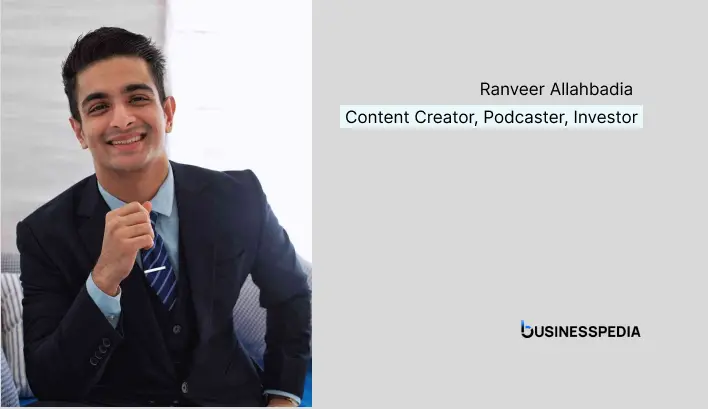
    At one point, ‘BeerBiceps’ resonated more with the youngsters than his name Ranveer Allahbadia. Starting his YouTube channel in December 2014, the Mumbai-based content creator made videos on healthy diets and gradually diversified his content. Today, at 29, Allahbadia is a popular name on YouTube and has also featured in this year’s ‘Forbes 30 Under 30’ list.

    Allahbadia always wanted to work in a startup. So, when he started his channel at 22, he treated it like one. Incidentally, when he attempted to launch a startup earlier, it led to a meeting with an investor who suggested that he should use YouTube to market it. “When I met Viraj Sheth, we launched Monk Entertainment, a talent management company, at the age of 24,” he adds.

    Allahbadia says he is largely self-taught and comes from a family of doctors; so, there was no Plan B. His parents granted him a two-year gap period after which he would pursue an MBA if things didn’t work out. But they didn’t pay him and asked him to work and earn. Till YouTube started paying off, he trained people and gave them fitness advice to make ends meet. Since YouTube and social media in general were relatively unknown careers then, there was family pressure. “Every parent is convinced once they see the money start to appear on paper,” says Allahbadia, who has 11.6 million followers across social media platforms. His popular videos are with Arnold Schwarzenegger, Priyanka Chopra and Ayushmann Khurrana, among others.

    Allahbadia feels if a youngster is upskilled enough to pay for himself, then business is the way to go. “I am always of the belief that everyone should aim to be a job creator rather than a job seeker,” he states that he has never had a regular job but feels that the same raw skills apply across all professions, which are integrity with work, grit, how long you can keep going, people skills, leadership skills and, most importantly, sales skills.

    Allahbadia believes that his entire channel and personal brand have been built by showcasing mistakes and failures, so people need to know that they are a very real part of the long-term journey. “I just hope that while people notice the successes, they also notice everything that goes wrong because those are the lessons that you gain from,” he adds.

    © The Financial Express – Subham Mitra

  • Loveena Sirohi, Co-founder & director, India Hemp Organics

    Loveena Sirohi, Co-founder & director, India Hemp Organics

    Story of Bringing holistic wellness without the side effects : Loveena Sirohi, Co-founder & director, India Hemp Organics

    From Personal Struggle to Entrepreneurial Success

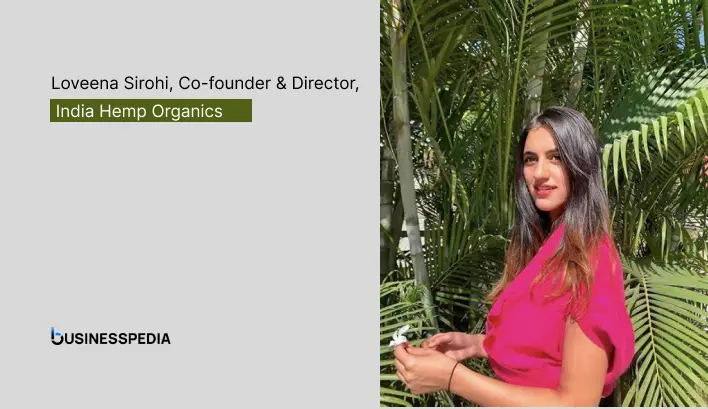
    In 2017, at the age of 20, Loveena Sirohi started India Hemp Organics after having a horrific accident that confined her to bed. She was given opioid medicine for her pain by doctors but it had many mental and physical side effects. Considering her situation, her husband and now co-founder moved to seek other alternatives that could serve to ease the pain without the adverse reaction.

    “They looked at case studies on how cannabis is being used in other countries to help many patients fight various mental and physical health issues.”.

    Harnessing the Power of Hemp

    They experimented with different cannabis oils that proved to be helpful for the condition, she was suffering from and saw the benefits firsthand. Working closely with doctors, They developed the range of oils to counter common health problems prevalent today in India, such as pain, anxiety, stress, insomnia, arthritis, and many more,” asserts the Bengaluru entrepreneur.

    Rising Star in the Wellness Industry

    India Hemp Organics has quickly gained popularity, with products like CannaBliss Skincare Oil, Hemp Seed Oil, CannaBliss Arthritis Relief Oil, and CannaBliss Stress Buster Oil becoming bestsellers. Sirohi’s entrepreneurial spirit and commitment to holistic wellness have positioned her as a leading figure in the industry.

    Sirohi, 22, says many young people have started their own business ventures in the last few years and that the business ventures are becoming too big and successful. “There is much support and guidance given to people who want to start a business, irrespective of their age. This is the age when most important skills that would take one to great heights must be developed,” she adds.

    According to Sirohi, the startup culture instills an ownership mindset that is absent in MNCs. In the current ecosystem, startups also pay as well as MNCs, if not better. Sirohi says that the present policies are good for start-ups and India wants to help them grow. But she suggests that the tax on start-ups should be lower so that more businesses can start and there can be more money available from within India.

  • Financial Management: Nature, Scope and Objectives

    Financial Management: Nature, Scope and Objectives

    Financial management is management principles and practices applied to finance. General management functions include planning, execution and control. Financial decision making includes decisions as to size of investment, sources of capital, extent of use of different sources of capital and extent of retention of profit or dividend payout ratio.

    Financial management, is therefore, planning, execution and control of investment of money resources, raising of such resources and retention of profit/payment of dividend.

    Howard and Upton define financial management as “that administrative area or set of administrative functions in an organization which have to do with the management of the flow of cash so that the organization will have the means to carry out its objectives as satisfactorily as possible and at the same time meets its obligations as they become due.

    Bonneville and Dewey interpret that financing consists in the raising, providing and managing all the money, capital or funds of any kind to be used in connection with the business.

    Osbon defines financial management as the “process of acquiring and utilizing funds by a business” .

    Considering all these views, financial management may be defined as that part of management which is concerned mainly with raising funds in the most economic and suitable manner, using these funds as profitably as possible.

    Nature of Financial Management

    Nature of financial management is concerned with its functions, its goals, trade-off with conflicting goals, its indispensability, its systems, its relation with other subsystems in the firm, its environment, its relationship with other disciplines, the procedural aspects and its equation with other divisions within the organisation.

    1. Financial Management is an integral part of overall management. Financial considerations are involved in all business decisions. So financial management is pervasive throughout the organization.
    2. The central focus of financial management is valuation of the firm. That is financial decisions are directed at increasing/maximization/ optimizing the value of the firm.
    3. Financial management essentially involves risk-return trade-off Decisions on investment involve choosing of types of assets which generate returns accompanied by risks. Generally higher the risk, returns might be higher and vice versa. So, the financial manager has to decide the level of risk the firm can assume and satisfy with the accompanying return.
    4. Financial management affects the survival, growth and vitality of the firm. Finance is said to be the life blood of business. It is to business, what blood is to us. The amount, type, sources, conditions and cost of finance squarely influence the functioning of the unit.
    5. Finance functions, i.e., investment, rising of capital, distribution of profit, are performed in all firms – business or non-business, big or small, proprietary or corporate undertakings. Yes, financial management is a concern of every concern.
    6. Financial management is a sub-system of the business system which has other subsystems like production, marketing, etc. In systems arrangement financial sub-system is to be well-coordinated with others and other sub-systems well matched with the financial subsystem.

    Scope of Financial Management

    The finance function encompasses the activities of raising funds, investing them in assets and distributing returns earned from assets to shareholders. While doing these activities, a firm attempts to balance cash inflow and outflow.

    It is evident that the finance function involves the four decisions viz., financing decision, investment decision, dividend decision and liquidity decision. Thus the finance function includes:

    1. Investment decision
    2. Financing decision
    3. Dividend decision
    4. Liquidity decision

    Investment Decision: The investment decision, also known as capital budgeting, is concerned with the selection of an investment proposal/ proposals and the investment of funds in the selected proposal. A capital budgeting decision involves the decision of allocation of funds to long-term assets that would yield cash flows in the future. Two important aspects of investment decisions are:

    (i) The evaluation of the prospective profitability of new investments, and

    (ii) The measurement of a cut-off rate against that the prospective return of new investments could be compared.

    Future benefits of investments are difficult to measure and cannot be predicted with certainty. Risk in investment arises because of the uncertain returns. Investment proposals should, therefore, be evaluated in terms of both expected return and risk. Besides the decision to commit funds in new investment proposals, capital budgeting also involves replacement decision, that is decision of recommitting funds when an asset become less productive or non-profitable. The computation of the risk-adjusted return and the required rate of return, selection of the project on these bases, forms the subject-matter of the investment decision.

    Long-term investment decisions may be both internal and external. In the former, the finance manager has to determine which capital expenditure projects have to be undertaken, the amount of funds to be committed and the ways in which the funds are to be allocated among different investment outlets. In the latter case, the finance manager is concerned with the investment of funds outside the business for merger with, or acquisition of, another firm.

    Financing Decision: Financing decision is the second important function to be performed by the financial manager.

    Broadly, he or she must decide when, from where and how to acquire funds to meet the firm’s investment needs. The central issue before him or her is to determine the appropriate proportion of equity and debt. The mix of debt and equity is known as the firm’s capital structure. The financial manager must strive to obtain the best financing mix or the optimum capital structure for his or her firm. The firm’s capital structure is considered optimum when the market value of shares is maximized.

    Dividend Decision: Dividend decision is the third major financial decision. The financial manager must decide whether the firm should distribute all profits, or retain them, or distribute a portion and return the balance. The proportion of profits distributed as dividends is called the dividend-payout ratio and the retained portion of profits is known as the retention ratio. Like the debt policy, the dividend policy should be determined in terms of its impact on the shareholders’ value. The optimum dividend policy is one that maximizes the market value of the firm’s shares. Thus, if shareholders are not indifferent to the firm’s dividend policy, the financial manager must determine the optimum dividend-payout ratio.

    Dividends are generally paid in cash. But a firm may issue bonus shares. Bonus shares are shares issued to the existing shareholders without any charge. The financial manager should consider the questions of dividend stability, bonus shares and cash dividends in practice.

    Liquidity Decision: Investment in current assets affects the firm’s profitability and liquidity. Current assets should be managed efficiently for safeguarding the firm against the risk of illiquidity. Lack of liquidity in extreme situations can lead to the firm’s insolvency. A conflict exists between profitability and liquidity while managing current assets. If the firm does not invest sufficient funds in current assets, it may become illiquid and therefore, risky. But if the firm invests heavily in the current assets, then it would loose interest as idle current assets would not earn anything. Thus, a proper trade-off must be achieved between profitability and liquidity. The profitability-liquidity trade-off requires that the financial manager should develop sound techniques of managing current assets and make sure that funds would be made available when needed.

    Objectives of Financial Management

    The financial management is generally concerned with procurement, allocation and control of financial resources of a concern. The objectives can be

    1. To ensure regular and adequate supply of funds to the concern.
    2. To ensure adequate returns to the shareholders which will depend upon the earning capacity, market price of the share, expectations of the shareholders?
    3. To ensure optimum funds utilization. Once the funds are procured, they should be utilized in maximum possible way at least cost.
    4. To ensure safety on investment, i.e, funds should be invested in safe ventures so that adequate rate of return can be achieved.
    5. To plan a sound capital structure-There should be sound and fair composition of capital so that a balance is maintained between debt and equity capital.