Author: Rashmi Kumari

  • Perceptual: Errors, Types, and Management

    Perceptual: Errors, Types, and Management

    A perceptual error is the inability to judge humans, things or situations fairly and accurately. Examples could include such things as bias, prejudice, stereotyping, which have always caused human beings to error in different aspects of their lives

    Sources of errors in perception

    The main sources of errors in perception include the following:

    • Not collecting enough information about other people. 
    • Basing our judgements on information that is irrelevant or insignificant. 
    • Seeing what we expect to see and what we want to see and not investigating further.
    • Allowing early information about someone to affect our judgement despite later and contradictory information. 
    • Accepting stereotypes uncritically. 
    • Allowing our own characteristics to affect what we see in others and how we judge them. 
    • Attempting to decode non-verbal behavior outside the context in which it appears. Basing attributions on flimsy and potentially irrelevant evidence. 

    The process of making evaluations, judgements or ratings of the performance of employees is subject to a number of systematic perception errors. This is particularly problematic in a performance appraisal context. These are: 

    • Central tendency: Appraising everyone at the middle of the rating scale. 
    • Perception Contrast error: Basing an appraisal on comparison with other employees rather than on established performance criteria. 
    • Different from me: Giving a poor appraisal because the person has qualities or characteristics not possessed by the appraiser. 
    • Halo effect: Appraising an employee undeservedly on one quality (performance, for example) because s/he is perceived highly by the appraiser on another quality (attractiveness). 
    • Horn effect: The opposite of the halo effect. Giving someone a poor appraisal on one quality (attractiveness) influences poor rating on other qualities. (performance). 
    • Initial impression: Basing an appraisal on first impressions rather than on how the person has behaved throughout the period to which appraisal relates.
    • Latest behavior: Basing an appraisal on the person’s recent behavior.
    • Lenient or generous rating: Perhaps the most common error, being consistently generous in appraisal mostly to avoid conflict.
    • Performance dimension error: Giving someone a similar appraisal on two distinct but similar qualities, because they happen to follow each other on the appraisal form.
    • Same as me: Giving a good appraisal because the person has qualities or characteristics possessed by the appraiser. 
    • Spill over effect: Basing this appraisal, good or bad, on the results of the previous appraisal rather than on how the person has behaved during the appraisal period.
    • Status effect: Giving those in higher level positions consistently better appraisals than those in lower level jobs.
    • Strict rating: Being consistently harsh in appraising performance.

    Types of perceptual errors in workplace

    There are many types of perceptual errors in workplace

    1.Selective Perception-People generally interpret according to their basis of interests,idea and backgrounds.It is the tendency not to notice and forget the stimuli that cause emotional discomfort.For example we might think that fresher graduates with above 80 % marks will exceptionally do well in technical interviews of respective subjects

    2.Halo Effect-We misjudge people by concentrating on one single behavior or trait.It has deep impact and give inaccurate result most of the time.For example we always have an impression of a lazy person can never be punctual in any occasion.

    3.Stereotypes-We always have a tendency to classify people to a general groups /categories in order to simplify the matter.For example-Women are always good homemakers and can do well in work life balance

    4.Contrast Effect-We again sometimes judge people in comparison to others . This example generally found in sports,academics and performance review

    5.Projection-This is very common among Perceptual errors.Projection of one’s own attitude,personality or behavior into some other person.For example- To all honest people,everybody is honest.

    6.Impression-We all know the term “first impression is the last impression” and we apply that too .For example-During the time of hiring, thought like this “The most decent and modest person in the interview can do very well in every roles and responsibilities ” always arise.

    Errors in perception can be overcome by

    • Taking more time and avoiding instant or `snap’ judgements about others. 
    • Collecting and consciously using more information about other people. 
    • Developing self-awareness and an understanding of how our personal biases are preferences affect our perceptions and judgements of other people. 
    • Checking our attributions – particularly the links we make between aspects of personality and appearance on the one hand and behaviour on the other.

    Therefore, it can be said that if we are to improve our understanding of others, we must first have a well-developed knowledge of ourselves — our strengths, our preferences, our weaknesses and our biases. The development of self-knowledge can be an uncomfortable process.

    In organizational settings, we are often constrained in the expression of our feelings (positive and negative) about other people due to social or cultural norms and to the communication barriers erected by status and power differentials. This may in part explain the enduring emphasis in recent years on training courses in social and interpersonal skills, self-awareness and personal growth.

  • What is Leadership? Definition, Nature , Style & More

    What is Leadership? Definition, Nature , Style & More

    What is Leadership ?

    Leadership is the interpersonal influence exercised in a situation and directed through the communication process, towards the attainment of a specialized goal or goals.

    Leadership involves:

    1. establishing a clear vision,
    2. sharing that vision with others so that they will follow willingly,
    3. providing the information, knowledge and methods to realize that vision, and
    4. Co-ordinating and balancing the conflicting interests of all members and stakeholders.

    Nature of Leadership

    There are two main approaches to leadership—traitist and situationist. In the early times leadership was considered to originate from the personal qualities of the leader and insufficient attention was given to the contribution of the group structure and situation.

    The early studies focused their attention on certain traits to compare leaders with non-leaders. Later studies, however, revealed the fallacy of the traitist approach. Gibb remarked that the leader traits are relative to a specific social situation and are not exhibited in isolation.

    He pointed out that attempts to find a consistent pattern of traits that characterize leaders had failed and said that the attributes of leadership are any or all of those personality characteristics that in any particular situation make it possible for a person either to contribute to achievement of a group, goal or to be seen as doing so by other group members. The person who becomes a leader surpasses others in some qualities required by the goal in the particular situation.

    The situationist approach to leadership provides a corrective to the traitist approach which regarded leaders as uniquely superior individuals who would lead in whatever situation or time they might find themselves. 

    The situationist approach emphasizes that leadership is specific to a specific situation. It is a way of behaving exhibited by individuals in differing degrees in different situations. A leader in one group is not necessarily a leader in another. A leader in the class may not be a leader in the playground.

    Though leadership may be considered as behaviour specific to a given situation, yet it does not mean that there is no generality of traits on the basis of which certain persons may be rated leaders. Carter noted correctly that if leadership is absolutely specific to a given situation then it cannot be a subject of scientific analysis and generalization.

    It may also be mentioned that the leader is necessarily a part of a group and leadership is status and role in that group. It is obvious that leadership can occur only in relation to other people. No one can be a leader all by himself. The relationships which the leader bears to other individuals are status and role relationships. He is part of the group structure and as such he carries on reciprocal relationship with other members of the group.

    In sum,

    • Leadership is not a personality trait, it is a way of relating oneself to others. Leadership accrues to those who take account of others in ways that facilitate group life and group cohesion. In other words, leadership is functional in two senses: it is a function of inter-personal relations it has a function in group life.
    • Leadership is situational; who the leaders are depends upon the concrete circumstances. A leader in one group is not necessarily a leader in another.

    Styles of Leadership

    1. Autocratic or Authoritarian leadership

    An autocratic leader centralizes power and decision-making in himself. He gives orders, assigns tasks and duties without consulting the employees. The leader takes full authority and assumes full responsibility.

    Autocratic leadership is negative, based on threats and punishment. Subordinates act as he directs. He neither cares for their opinions nor permits them to influence the decision. He believes that because of his authority he alone can decide what is best in a given situation.

    Autocratic leadership is based upon close supervision, clear-cut direction and commanding order of the superior. It facilitates quick decisions, prompt action and unity of direction. It depends on a lesser degree of delegation. But too much use of authority might result in strikes and industrial disputes. It is likely to produce frustration and retard the growth of the capacity of employees.

    The employees work as hard as is necessary to avoid punishment. They will thus produce the minimum which will escape punishment.

    This leadership style is less likely to be effective because

    • The new generation is more independent and less submissive and not amenable to rigid control.
    • People look for ego satisfactions from their jobs.
    • Revolution of rising expectations changed the attitude of the people.

    Autocratic leadership may be divided into three classes:

    • The hard-boiled autocrat who relies mainly on negative influences uses the force of fear and punishment in directing his subordinates towards the organisational goals. This is likely to result in employees becoming resentful.
    • The benevolent autocrat who relies mainly on positive influences uses the reward and incentives in directing his subordinates towards the organisational goals. By using praise and pats on the back he secures the loyalty of subordinates who accept his decisions.
    • The manipulative autocrat who makes the employees feels that they are participating in decisionmaking though the manager himself has taken the decision. McGregor labels this style as Theory X.

    2. Democratic or Participative leadership

    Participative or democratic leaders decentralise authority. It is characterised by consultation with the subordinates and their participation in the formulation of plans and policies. He encourages participation in decision-making.

    He leads the subordinates mainly through persuasion and example rather than fear and force. Sometimes the leader serves as a moderator of the ideas and suggestions from his group. McGregor labels this style as Theory Y.

    Taylor’s scientific management was based on the inability of the ordinary employees to make effective decisions about their work. Hence the decision-making power was vested with the management. But recent studies indicate the need for participation by subordinates. The modern trend favours sharing the responsibility with the employees.

    This will foster enthusiasm in them. The employees feel that management is interested in them as well as in their ideas and suggestions. They will, therefore, place their suggestions for improvement.

    Advantages for democratic leadership are as follows: (i) higher motivation and improved morale; (ii) increased co-operation with the management; (iii) improved job performance; (iv) reduction of grievances and (v) reduction of absenteeism and employee turnover.

    3. The Laissez-faire or Free-rein leadership

    Free-rein leaders avoid power and responsibility. The laissez-faire or non-interfering type of leader passes on the responsibility for decision-making to his subordinates and takes a minimum of initiative in administration. He gives no direction and allows the group to establish its own goals and work out its own problems.

    The leader plays only a minor role. His idea is that each member of the group when left to himself will put forth his best effort and the maximum results can be achieved in this way. The leader acts as an umpire. But as no direction or control is exercised over the people, the organisation is likely to flounder.

    Specific leadership styles

    1. Transactional Leadership

    This style starts with the idea that team members agree to obey their leader when they accept a job. The “transaction” usually involves the organization paying team members in return for their effort and compliance on a short-term task. The leader has a right to “punish” team members if their work doesn’t meet an appropriate standard.

    Transactional leadership is present in many business leadership situations, and it does offer some benefits. For example, it clarifies everyone’s roles and responsibilities. And, because transactional leadership judges team members on performance, people who are ambitious or who are motivated by external rewards – including compensation – often thrive.

    The downside of this style is that, on its own, it can be chilling and amoral, and it can lead to high staff turnover. It also has serious limitations for knowledge-based or creative work.

    As a result, team members can often do little to improve their job satisfaction.

    2. Transformational Leader

    A transformational leader is a type of person in which the leader is not limited by his or her followers’ perception. The main objective is to work to change or transform his or her followers’ needs and redirect their thinking. Leaders that follow the transformation style of leading, challenge and inspire their followers with a sense of purpose and excitement. They also create a vision of what they aspire to be, and communicate this idea to others (their followers). According to Schultz and Schultz, there are three identified characteristics of a transformational leader:

    • Charismatic leadership has a broad knowledge of field, has a self-promoting personality, high/great energy level, and willing to take risk and use irregular strategies in order to stimulate their followers to think independently
    • Individualized consideration
    • Intellectual stimulation

    The transformational leadership style depends on high levels of communication from management to meet goals. Leaders motivate employees and enhance productivity and efficiency through communication and high visibility. This style of leadership requires the involvement of management to meet goals. Leaders focus on the big picture within an organization and delegate smaller tasks to the team to accomplish goals.

  • The Marketing Mix: Achieving Success with the 4Ps

    The Marketing Mix: Achieving Success with the 4Ps

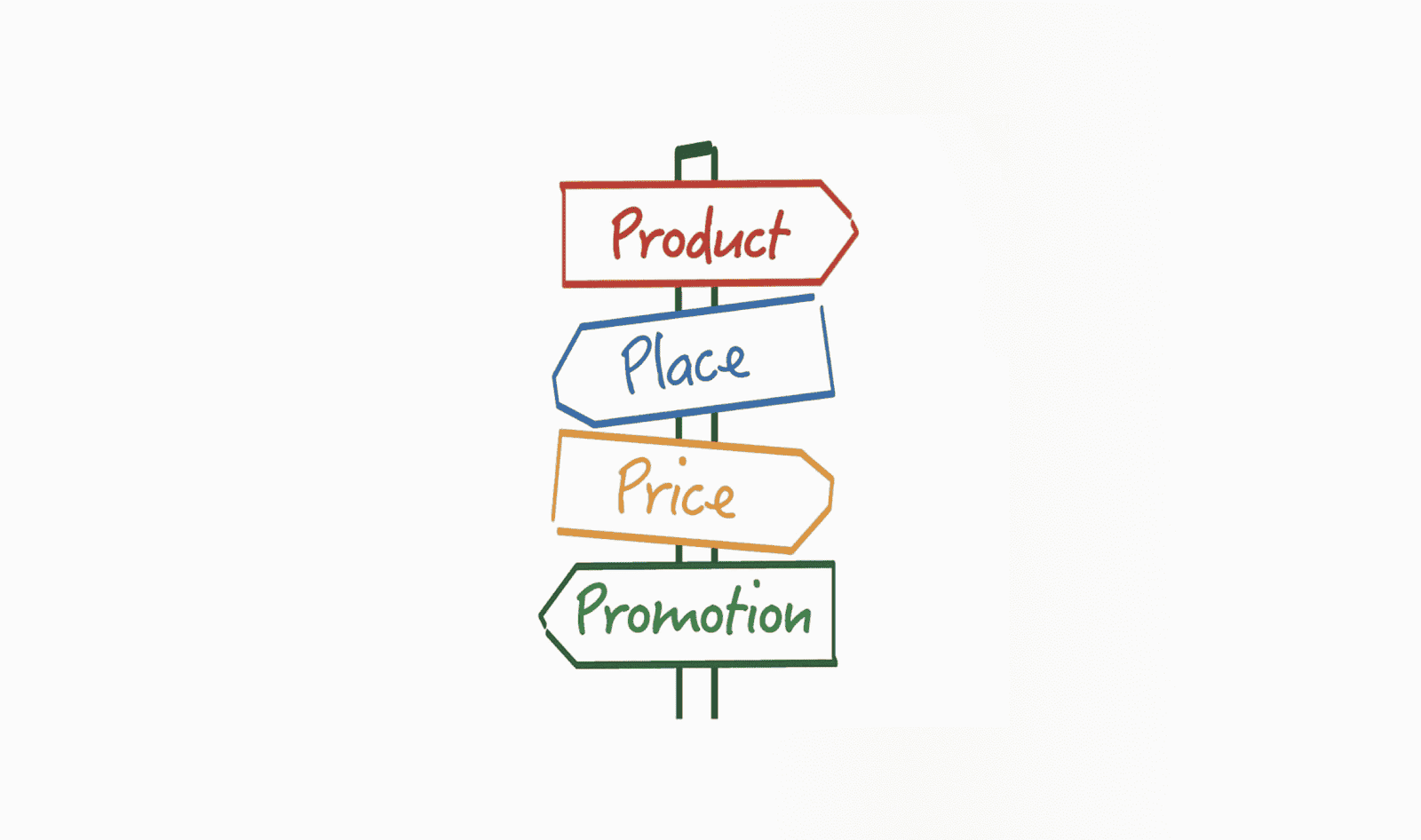
    In this article, we’ll learn about The marketing mix, also known as the 4Ps of marketing, is a framework for developing and executing marketing strategies.

    In the world of business, there are many factors that contribute to success. One of the most important is marketing. Marketing is the process of creating, communicating, delivering, and exchanging offerings that have value for customers, clients, partners, and society at large.

    One of the most important concepts in marketing is the marketing mix. The marketing mix is a set of controllable variables that a company uses to influence the customer’s perception of its products or services. These variables are often grouped into four key components, often referred to as the “Four Ps of Marketing.”

    4Ps of Marketing

    The four Ps of marketing are:

    1. Product: The product is the physical good or service that the company offers to its customers. It is important to choose a product that meets the needs and wants of the target market.
    2. Price: The price is the amount that the company charges for its products or services. It is important to set a price that is competitive and that reflects the value of the product or service.
    3. Place: The place is where the company’s products or services are offered to its customers. It is important to choose a place that is convenient for the target market and that is consistent with the brand image.
    4. Promotion: Promotion is the way that the company communicates its products or services to its customers. It is important to use a variety of promotional channels to reach the target market.

    Using the Marketing Mix to Achieve Success

    The marketing mix can be used to achieve a variety of marketing goals, such as:

    • Increasing brand awareness: The marketing mix can be used to create awareness of a company’s brand and its products or services.
    • Generating leads: The marketing mix can be used to generate leads, which are potential customers who have expressed interest in a company’s products or services.
    • Increasing sales: The marketing mix can be used to increase sales by convincing potential customers to buy a company’s products or services.
    • Building customer loyalty: The marketing mix can be used to build customer loyalty by providing customers with excellent customer service and creating a positive customer experience.

    Conclusion

    The marketing mix is a powerful tool that can be used to achieve success in business. By using the marketing mix effectively, companies can create a strong brand, generate leads, increase sales, and build customer loyalty.

    In addition to the four Ps, there are also other important factors to consider when developing a marketing mix. These factors include the target market, the competitive landscape, and the company’s resources.

    By carefully considering all of these factors, companies can develop a marketing mix that is tailored to their specific needs and that will help them achieve their marketing goals.

    I would also like to add that the marketing mix is not a static concept. It should be constantly reviewed and updated to reflect the changing needs of the market and the competitive landscape.

  • What is Public Address System?

    What is Public Address System?

    In this article, we’ll learn What is Public Address System and its Applications in various sector like health , railways and more.

    What is Public Address System

    Public Address System ( PA system) is an electronic sound amplification and distribution system with a microphone, amplifier and loudspeakers, used to allow a person to address a large public,

    For example for announcements of movements at large and noisy air and rail terminals. The simplest PA system consist of a microphone, an amplifier, and one or more loudspeakers .

    A sound source such as compact disc player or radio may be connected to a PA System so that music can be played through the system.

    The process begins with a sound source (such as a human voice), which creates waves of sound (acoustical energy). These waves are detected by a microphone, which converts them to electrical energy. This signal is amplified in an amplifier up to a required level. The loudspeaker converts the electrical signal back in to sound waves, which are heard by human ears. A PA system also contains  microphone, mixer, limiter, equalizer, amplifier and speaker.

    Application of Public Address System

    Public Address Systems (PAS) are widely used in various settings to provide amplified sound and broadcast announcements to a large audience. Here are some common applications of public address systems:

    1. Public Events: PAS are commonly used in public events such as concerts, festivals, sporting events, and rallies. They provide clear and amplified sound reinforcement to ensure that the audience can hear performances, speeches, and announcements.
    2. Public Venues: Public venues like stadiums, arenas, theaters, and auditoriums often have PAS installed to deliver sound to the entire audience. These systems distribute sound evenly and help overcome the acoustic challenges of large spaces.
    3. Educational Institutions: Public address systems find application in schools, colleges, and universities. They are used for making announcements, broadcasting school-wide messages, paging students and staff, and facilitating emergency communication during drills or actual emergencies.
    4. Transportation Hubs: Airports, train stations, bus terminals, and seaports often utilize PAS to make public announcements regarding arrivals, departures, gate changes, safety instructions, and emergency information. PAS helps ensure that important information is heard clearly by travelers in crowded and noisy environments.
    5. Workplace and Corporate Settings: Public address systems are used in workplaces and corporate environments for addressing employees, making general announcements, broadcasting safety protocols, and providing instructions during emergencies or evacuations.
    6. Retail Stores and Malls: PAS can be found in retail stores, shopping malls, and supermarkets to make store-wide announcements, notify customers about promotions or special offers, and play background music.
    7. Worship Places: Churches, mosques, temples, and other religious institutions often utilize PAS to amplify the voice of religious leaders, broadcast sermons, chants, and prayers to reach a larger congregation.
    8. Public Safety and Emergency Services: Public address systems play a crucial role in emergency management. They are used in emergency response vehicles, fire stations, police departments, and other public safety facilities to broadcast emergency alerts, evacuation instructions, and public safety announcements.
    9. Theme Parks and Entertainment Venues: PAS are extensively used in theme parks, amusement parks, and entertainment venues to provide information, announce showtimes, guide visitors, and enhance the overall guest experience.
    10. Outdoor Gatherings and Festivals: Public address systems are employed in outdoor events, including street festivals, parades, political rallies, and community gatherings. They ensure that announcements and speeches reach a wide audience in open spaces.

    In all these applications, public address systems are used to amplify sound, improve communication, and enhance the overall experience for the audience, employees, or visitors.

  • Group: Definition, Development, Types of Groups

    Group: Definition, Development, Types of Groups

    Groups are social entities formed by individuals with shared interests, goals, or characteristics. Emerging from human needs, groups vary in structure, purpose, and dynamics, shaping diverse interpersonal connections.

    What is Group?

    It is a collection of two or more interacting individuals with a stable pattern of relationship between them, who share common goals and who perceive themselves as being a group.

    Group Development Process/ Stages

    The group development process, also known as team development, refers to the stages that groups go through as they form, learn to work together, and achieve their goals. The most widely recognized model of group development is Tuckman’s stages of group development, which outlines five distinct stages:

    1. Forming: In this initial stage, group members get to know each other, establish ground rules, and explore their roles within the group. There is often a sense of uncertainty and politeness as members try to make a good impression.
    1. Storming: As the group delves deeper into its work, differences in opinions, working styles, and personalities can emerge, leading to conflict and competition. This stage can be challenging, but it is also necessary for the group to develop trust and open communication.
    2. Norming: Through open communication and compromise, the group begins to establish norms and expectations for behavior, communication, and decision-making. This stage is crucial for building team cohesion and creating a positive work environment.
    3. Performing: In this stage, the group has matured and is able to function effectively as a unit. Members collaborate efficiently, solve problems creatively, and achieve their goals.
    4. Adjourning (optional): If the group is temporary, it will eventually reach a stage where it needs to disband. This stage involves completing tasks, saying goodbye, and reflecting on the group experience.

    Types of Groups

    One way to classify the groups is by way of formality – formal and informal.

    Formal Groups

    • Definition: Defined by an organization or institution with a specific purpose or task. They have a predetermined structure with designated roles, rules, and procedures.
    • Examples: Work teams, committees, sports teams, project teams, government agencies.
    • Characteristics:
      • Explicit hierarchy and leadership.
      • Clearly defined goals and objectives.
      • Established rules and procedures to guide behavior.
      • Focus on achieving organizational goals efficiently.
      • Communication often follows formal channels.

    Command Groups:

    Definition: Command groups are hierarchical structures defined by an organization chart. They consist of a supervisor and their direct reports, forming a chain of command for decision-making and tasks.

    Example: A market research firm CEO and their research associates form a command group. Here, the CEO leads and assigns tasks to the associates, who report directly back to them.

    Key characteristics:

    • Clear hierarchy and leadership: Decisions and tasks flow from the supervisor down to the subordinates.
    • Formal structure: Roles and responsibilities are clearly defined based on positions within the hierarchy.
    • Focus on efficiency: The primary goal is to achieve objectives efficiently through established procedures.

    Task Groups:

    Definition: Task groups are temporary ensembles formed to achieve a specific, focused goal within a defined timeframe. These groups, often called task forces, are disbanded once the goal is achieved.

    Examples:

    • A team developing a new product.
    • A group improving a production process.
    • A committee designing a syllabus.
    • Ad hoc committees for specific complaints or process development.
    • Project groups focusing on specific initiatives.
    • Standing committees for ongoing tasks like quality control.

    Key characteristics:

    • Shared goal: Members are united by a defined objective they work together to accomplish.
    • Time-bound: The group exists only for the duration needed to complete the assigned task.
    • Flexible structure: Roles and responsibilities may be adaptable depending on the task requirements.
    • Collaborative approach: Success relies on teamwork and effective communication among members.

    Functional Groups:

    Definition: Functional groups are permanent structures within an organization established to achieve specific, ongoing goals. Unlike task groups, they continue to exist even after completing their initial objectives.

    Examples:

    • Marketing department responsible for promoting and selling products.
    • Customer service department handling customer inquiries and issues.
    • Accounting department managing financial records and transactions.

    Key characteristics:

    • Enduring structure: The group has a defined structure and remains in place over time.
    • Ongoing goals: Focuses on achieving consistent objectives within its functional area.
    • Specialized expertise: Members possess skills and knowledge specific to their function.
    • Collaborative workflow: Teams within the group work together towards shared departmental goals.

    Informal Groups

    • Definition: Form organically based on shared interests, friendships, or common experiences. They lack a formal structure and often arise spontaneously.
    • Examples: Friend groups, hobby clubs, online communities, support groups.
    • Characteristics:
      • Flexible and dynamic structure.
      • Loosely defined goals and objectives, focused on social interaction and support.
      • Informal rules and norms established by members.
      • Emphasis on building relationships and social connection.
      • Communication flows freely and organically.

    Interest Groups:

    • Definition: Enduring groups united by a shared interest beyond organizational goals.
    • Characteristics: Long-lasting, informal structure, diverse composition, specific goals unrelated to organizational objectives.
    • Example: Students forming a study group for a specific class.

    Friendship Groups:

    • Definition: Informal groups based on shared activities, beliefs, or values.
    • Characteristics: Formed voluntarily, enjoy shared activities outside work, provide social connection.
    • Example: Employee yoga group, regional cultural association, monthly kitty party lunch group.

    Reference Groups:

    • Definition: Groups individuals use for self-evaluation and comparison.
    • Characteristics: Shape behavior through social validation and comparison, influence attitudes and values.
    • Examples: Family, friends, religious affiliations.

    Primary Groups:

    • Definition: Small, intimate groups with close personal interaction and high interdependence.
    • Characteristics: Key to socialization, develop and sustain attitudes, values, and orientations.
    • Examples: Family, close friend circles.

    Secondary Groups:

    • Definition: Larger, formal groups with less frequent, impersonal interaction.
    • Characteristics: Supplement primary socialization, often organized around shared interests or goals.
    • Examples: Trade unions, member organizations (National Trust).

  • Appointment Acceptance Letter Format

    When you receive a job offer or an invitation for an appointment, it is customary to respond with a formal acceptance letter. This letter serves as your official confirmation of acceptance and expresses your gratitude for the opportunity. Writing an appointment acceptance letter demonstrates professionalism and leaves a positive impression on the sender. In this article, we will guide you through the format and provide examples to help you craft a well-written appointment acceptance letter.

    1. Header: Begin your letter by including your contact information at the top. This should include your name, address, phone number, and email address. Leave a space and include the date of writing just below your contact information.

    Example: [Your Name] [Your Address] [City, State, ZIP Code] [Phone Number] [Email Address] [Date]

    1. Sender’s Information: Next, include the contact information of the person or organization extending the appointment. Include their name, title, organization (if applicable), address, and any other relevant details.

    Example: [Sender’s Name] [Sender’s Title] [Sender’s Organization] [Sender’s Address] [City, State, ZIP Code]

    1. Salutation: Address the recipient of the letter with a formal salutation. If you know the name of the person, use “Dear Mr./Ms./Dr. [Last Name].” If you are unsure of the recipient’s gender or prefer a general salutation, use “Dear [Title] [Last Name].” Be sure to use appropriate titles based on the person’s position or honorifics.

    Example: Dear Mr. Smith,

    1. Introduction and Acceptance: Begin the body of your letter by expressing your appreciation for the opportunity and accepting the appointment. Clearly state the position or appointment you are accepting, along with any relevant details discussed during the offer or invitation.

    Example: I am writing to formally accept the appointment to the position of [Job Title] at [Company/Organization]. I would like to express my gratitude for the opportunity and am thrilled to accept this position.

    1. Confirmation and Appreciation: Express your enthusiasm for joining the organization or undertaking the appointment. Reiterate your excitement about the role and briefly mention why you believe it is a good fit for your skills and career goals. Show gratitude for the offer and convey your commitment to contributing to the success of the organization.

    Example: I am eager to contribute my skills and experience to the team at [Company/Organization]. The position aligns perfectly with my career aspirations, and I am confident that my expertise in [relevant skills/experience] will enable me to make meaningful contributions to the organization’s success. I am sincerely grateful for the trust and confidence placed in me and am excited to join the team.

    1. Closing: Close your letter with a professional and courteous tone. Express your willingness to provide any additional information or complete any necessary paperwork requested. Offer your availability for further discussions or meetings if applicable.

    Example: Once again, I would like to express my sincere appreciation for this opportunity. I look forward to finalizing the necessary paperwork and meeting with you to discuss any further details. Please do not hesitate to contact me if there is any additional information required from my end. I am available for meetings or discussions as per your convenience.

    1. Closing Salutation: End your letter with a formal closing salutation. Use phrases such as “Yours sincerely” or “Best regards,” followed by your full name.

    Example: Yours sincerely, [Your Full Name]

    1. Signature: Sign your letter above your typed name to provide a personal touch and authenticity.

    Example: [Your Full Name] [Your Signature]

    Remember to tailor your letter to the specific situation and personalize it to reflect your genuine excitement and gratitude. Keep the tone professional, polite, and concise.

    Example Appointment Acceptance Letter

    John Smith
    123 Main Street
    City, State, ZIP Code
    Phone: (555) 123-4567
    Email: johnsmith@email.com
    May 18, 2023
    
    Mr. Michael Johnson
    Human Resources Manager
    XYZ Corporation
    456 Elm Avenue
    City, State, ZIP Code
    
    Dear Mr. Johnson,
    
    I am writing to formally accept the appointment to the position of Senior Marketing Manager at XYZ Corporation. I would like to express my gratitude for the opportunity and am thrilled to accept this position.
    
    I am eager to contribute my skills and experience to the team at XYZ Corporation. The position aligns perfectly with my career aspirations, and I am confident that my expertise in strategic marketing and brand management will enable me to make meaningful contributions to the company's success. I am sincerely grateful for the trust and confidence placed in me and am excited to join the team.
    
    Once again, I would like to express my sincere appreciation for this opportunity. I look forward to finalizing the necessary paperwork and meeting with you to discuss any further details. Please do not hesitate to contact me if there is any additional information required from my end. I am available for meetings or discussions as per your convenience.
    
    Yours sincerely,
    
    John Smith
    
    [Your Signature]
    
    John Smith

    In conclusion, writing an appointment acceptance letter using a proper format demonstrates professionalism and gratitude. By following this format and customizing it to your specific circumstances, you can create an effective letter that leaves a positive impression. Remember to proofread your letter before sending it to ensure accuracy and clarity. Best of luck with your new appointment!

  • 20 phrases for closing an email

    Find out how to end your emails on a positive note! Our article shares 20 simple phrases to use when closing your emails. Whether you want to say thank you or mention you’re looking forward to hearing from the person again, these phrases will help you end your messages politely. Improve how you write emails and leave a good impression with these friendly and professional closing phrases.

    Expressions for Thanking

    No.Expressions
    1Thank you for your help / time / assistance / support.
    2I really appreciate the help / time / assistance / support you’ve given me.
    3Thank you once more for your help in this matter.

    Expressions with a Future Focus

    No.Expressions
    1I look forward to hearing from you soon / meeting you next Tuesday.
    2I look forward to seeing you soon.
    3I’m looking forward to your reply.
    4We hope that we may continue to rely on your valued custom.
    5We look forward to a successful working relationship in the future.
    6Please advise as necessary.
    7I would appreciate your immediate attention to this matter.

    Expressions for Showing Willingness to Help

    No.Expressions
    1If I can be of assistance, please do not hesitate to contact me.
    2If you require any further information, feel free to contact me.
    3If you require any further information, let me know.
    4Please feel free to contact me if you need any further information.
    5Please let me know if you have any questions.
    6I hope the above is useful to you.
    7Should you need any further information, please do not hesitate to contact me.
    8Please contact me if there are any problems.
    9Let me know if you need anything else.
    10Drop me a line if I can do anything else for you.

    In the world of emails, a thoughtful closing can leave a lasting impression. So, as you apply these 20 closing phrases, remember the power of a well-rounded email etiquette. Whether you’re expressing gratitude, anticipating future interactions, or simply ending on a positive note, these phrases are your tools for crafting courteous and effective closings. Here’s to ending your emails with a touch of professionalism and a dash of friendliness – making every communication count!

  • Conceptual Framework For Organizational Behaviour

    Conceptual Framework For Organizational Behaviour

    In this article, you’ll learn about Conceptual Framework For Organizational Behaviour, Organizational behaviour follows the principles of human behaviour, Organizational Behaviour is situational and more.

    A conceptual framework for understanding organizational behaviour is presented by Durbin consisting of four core propositions, which are:

    1. Organizational behaviour follows the principles of human behaviour.
    2. Organizational behaviour is situational.
    3. Organizational behaviour is based on system approach.
    4. Organizational behaviour represents a constant interaction between structure and process variables.

    Organizational behaviour follows the principles of human behaviour 

    Human beings in the organization are governed by the same physiological mechanisms both on and off the job.  Internal mechanism s provide people an extra spurt of the appropriate harmone during times of stress, whether this stress is job or non – job related.  Similarly, people at work are governed by the same psychological principles both inside and outside organizational life.  Organizational behaviour is human behaviour in a particular setting.

    Organizational Behaviour is situational

    Psychologists and other behvaioural scientists have emphasized for years that individual is a function of the interaction between personal characteristics of the individual and environmental variables.  In order to understand a person’s behaviour, the pressures placed upon him in a given situation must be understood.  Aggressive behvaiour, for example, surfaces when a normally calm individual is forced into constant and close physical proximity with other people.

    Pigors and Myres developed the concepts of situational thinking. Their analysis suggests that four situational variables are basic for anyone responsible for getting results accomplished through people.  

    These are:

    1. The human element such as individual differences.  This category includes interpersonal relationships and other social aspects of the situation.
    2. The technical factor such as production methods and equipment, management procedure, and specialized skills in any job function.
    3. Space – time dimensions and relationships such as the size and location of a plant, office or work – station.
    4. Organizational wide policies designed to achieve major organizational objectives.

    Organizational Behaviour is based on system approach

    Systems thinking is an integral part of modern organization theory.  Organizations are viewed as complex systems consisting of inter – related and inter – locking sub – systems.  Changes in any one part of the system has both known and unknown consequences in other parts of the system. 

    When modifications in the system lead to desired, positive consequences, they are called functions.  Unintended consequences in response to modification in the systems are called dysfunctions.  According to the system point of view, every inter – action has both functions and dysfunctions.

    Organizational Behaviour represents a constant interaction between structure and process variables

    Structure refers to organizational design and position.  Process refers to what happens, with or without the structure.  A retail store may use both formal advertising and public relations functions (structure) to help build its image in the community.  However, most of the store’s image is formed by words of mouth from satisfied and dissatisfied customers and employees.

    Processes emerging within a group or organization are often evident only after they are heading towardss completion.  It is almost structural requirement in any organization that managers deal with the discontents of their people, yet employees sometimes find other processes for handling them.

    The difference between structure and process represents a vital concept for understanding organizational behaviour.  Classical approaches to management neglected interpersonal processes – the human side of organization life. 

    Erring in the opposite direction (neglecting the influence of structural and technological factors) is a tendency on the part of some social psychologists.  Deeper understanding of organizational behaviour requires an ability to follow the complex shifting in relative importance between structure and process variables.

  • Types of Marketing

    Types of Marketing

    In this article, we’ll learn about different types of marketing, Marketing, a multifaceted discipline, encompasses a wide spectrum of approaches tailored to connect with diverse audiences and achieve specific goals. Let’s explore the distinct types of marketing that businesses and organizations employ to effectively engage their target markets.

    1. Consumer Marketing: Reaching Individual Consumers

    Consumer marketing, perhaps the most recognizable form, involves promoting products and services directly to individual consumers. Its primary objective is to create brand awareness, stimulate demand, and drive sales. This type of marketing frequently utilizes strategies such as advertising, promotions, and public relations to influence individual purchasing decisions.

    2. Business-to-Business (B2B) Marketing: Fostering Business Partnerships

    In contrast to consumer marketing, B2B marketing focuses on promoting products and services to other businesses. It involves crafting value propositions that align with the operational or manufacturing needs of other enterprises. Building strong relationships, showcasing the benefits of collaboration, and highlighting the efficiency of products or services are key elements of B2B marketing.

    3. Industrial Marketing: Addressing Specialized Needs

    Industrial marketing represents a specialized form of B2B marketing that targets industrial users, including manufacturers and distributors. It often entails promoting complex and specialized products or services tailored to the unique requirements of industrial clients. Establishing trust and emphasizing the functionality and efficiency of industrial solutions are crucial components of industrial marketing.

    4. Non-Profit Marketing: Advancing Social Causes

    Non-profit marketing revolves around promoting the mission, services, and fundraising efforts of non-profit organizations. While profit generation may not be the ultimate goal, the principles of marketing are applied to attract donors, volunteers, and supporters. Storytelling and emphasizing the social impact of the organization play a pivotal role in non-profit marketing.

    5. Digital Marketing: Embracing the Online Landscape

    In the digital era, businesses leverage various online channels to connect with their target audience. Digital marketing encompasses a diverse array of tactics, including website optimization, social media marketing, email campaigns, and search engine optimization (SEO). This type of marketing enables precise targeting, real-time analytics, and interactive engagement with the audience.

    6. Global Marketing: Bridging Cultural Divides

    As businesses expand beyond local borders, global marketing becomes essential. It involves tailoring strategies to reach and resonate with customers across different cultures and regions. Understanding cultural nuances, adapting messaging, and addressing diverse market needs are critical aspects of successful global marketing campaigns.

    Conclusion

    The world of marketing is dynamic and ever-evolving, offering a diverse range of strategies to suit the unique objectives of businesses. Whether targeting individual consumers, collaborating with other businesses, or making a positive social impact, the key lies in understanding the specific context and needs of the target audience. By embracing these various types of marketing, businesses can navigate the intricate landscape of consumer behavior and market dynamics, ultimately driving success in their respective domains.

  • Marketing’s Core Functions

    Marketing’s Core Functions

    In this article, we’ll learn about Marketing’s Core Functions.

    Marketing is a dynamic and multifaceted field that plays a pivotal role in the success of businesses and organizations across all industries. It encompasses a wide range of activities, all aimed at understanding customer needs, developing relevant products and services, communicating their value effectively, and ultimately driving sales and profits.

    Marketing’s Core Functions

    Marketing plays a crucial role in the success of businesses and organizations, serving several essential functions:

    1. Market Research: Understanding the market, customer needs, and competitor landscape is fundamental to developing effective marketing strategies. Market research involves gathering data through surveys, focus groups, and other methods to gain insights into customer behavior, preferences, and trends.
    2. Product Development: Marketing plays a significant role in shaping product development. By understanding customer needs and market demand, marketing teams can provide valuable input into product features, pricing, and positioning.
    3. Branding: Creating a strong brand identity is essential for differentiation and customer loyalty. Marketing activities, such as advertising, public relations, and social media engagement, help shape brand perception and build brand equity.
    4. Pricing Strategy: Determining the right price for products or services is a critical marketing decision. Marketing insights into customer willingness to pay, competitor pricing, and cost structures inform pricing strategies.
    5. Communication and Promotion: Marketing effectively communicates the value proposition of products and services to target audiences. This involves creating compelling messaging, selecting appropriate channels, and executing promotional campaigns.
    6. Sales and Distribution: While sales are often considered a separate function, marketing plays a significant role in supporting sales efforts. Marketing activities generate leads, nurture customer relationships, and facilitate the sales process.

    In conclusion, marketing’s core functions are essential for the success of businesses and organizations. By understanding market dynamics, shaping product development, building a strong brand, setting effective pricing strategies, communicating value, and supporting sales efforts, marketing drives business growth, customer satisfaction, and long-term sustainability.